U.S. funnels all travellers from Congo, Uganda and South Sudan through one airport as Ebola fears escalate
The United States is tightening its borders against Ebola in one of the strongest public health travel crackdowns seen since the Covid-19 era, forcing travellers from parts of Africa to enter through a single airport as fears grow over a deadly outbreak spreading across Central and East Africa.
 Black News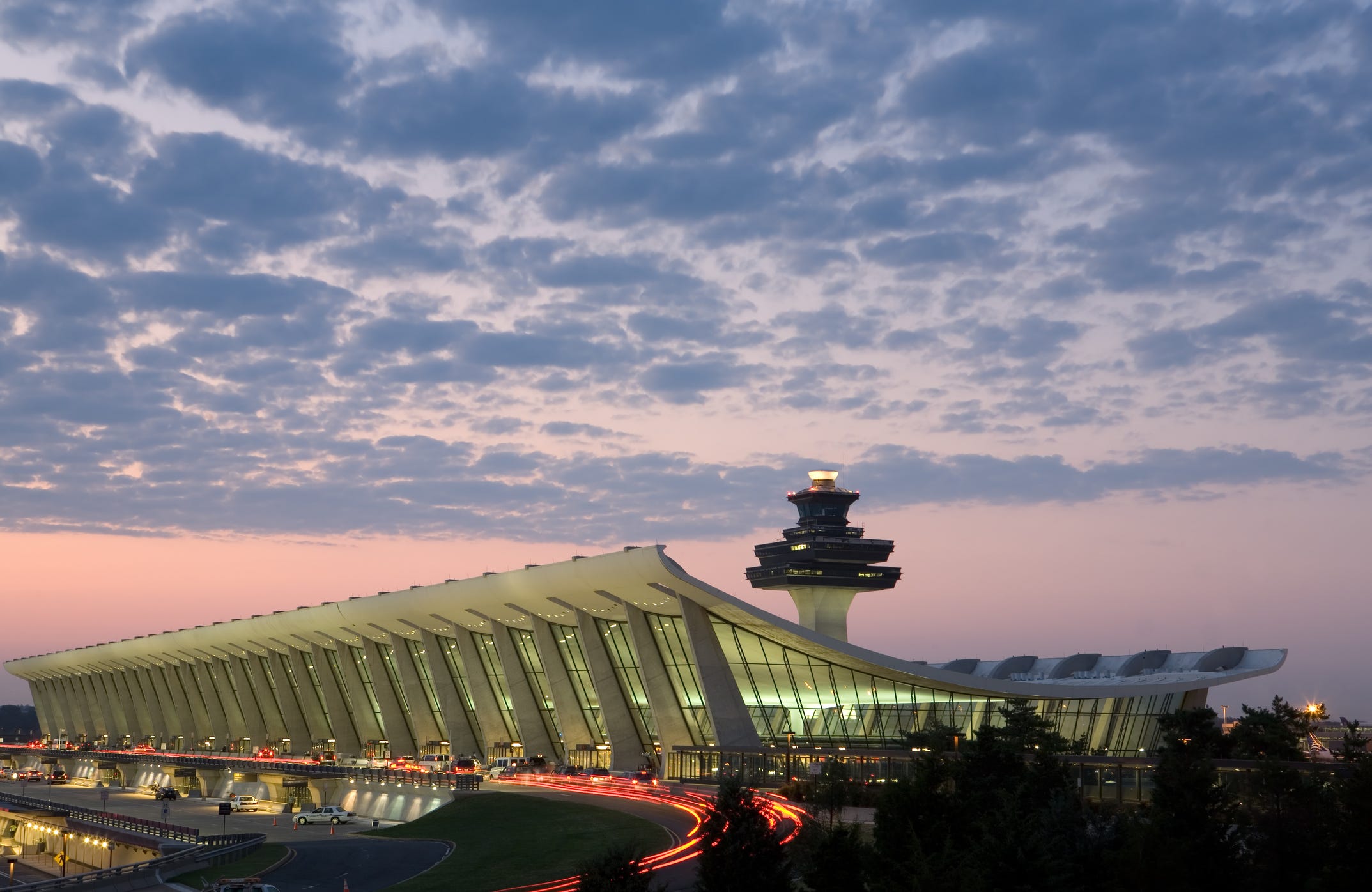
The United States is tightening its borders against Ebola in one of the strongest public health travel crackdowns seen since the Covid-19 era, forcing travellers from parts of Africa to enter through a single airport as fears grow over a deadly outbreak spreading across Central and East Africa.
- The United States is forcing travellers from Congo, Uganda and South Sudan to enter through one airport for Ebola screening.
- The move follows a worsening outbreak that has killed more than 160 people and triggered a global health emergency.
- Washington has also restricted entry for many non-citizens who recently visited the affected countries.
- Health experts warn the policy could strain travel systems while exposing deeper weaknesses in global outbreak preparedness.
Under emergency measures announced by Washington, all U.S.-bound American citizens and lawful permanent residents who recently travelled through the Democratic Republic of the Congo (DRC), Uganda or South Sudan must now arrive only through Washington Dulles International Airport for enhanced Ebola screening.
The restrictions come as a rapidly expanding Ebola outbreak has killed more than 160 people and infected over 600 suspected cases, according to Congolese health authorities and international health agencies.
The World Health Organization has already declared the outbreak a public health emergency of international concern, a rare designation reserved for the world’s most serious disease threats.
For global markets, airlines and governments, the outbreak is reviving memories of the devastating 2014–2016 West African Ebola crisis that disrupted travel, trade and investor confidence across Africa.
This time, however, the situation carries an additional risk: there are currently no approved vaccines or treatments for the Bundibugyo strain behind the outbreak.
DON'T MISS THIS: WHO weighs experimental vaccines as Congo Ebola outbreak spirals past 500 suspected cases
U.S. shifts to aggressive border screening
The new policy effectively turns Washington Dulles into America’s frontline Ebola checkpoint.
Travellers arriving from the affected countries within the previous 21 days will be separated for health checks, temperature screening and questioning by officials from the U.S. Centers for Disease Control and Prevention (CDC).
Anyone suspected of exposure will be transferred to hospital isolation units for testing and monitoring.
The CDC has also invoked Title 42 public health powers for at least 30 days, restricting entry for many non-citizens who recently travelled through the affected countries.
Secretary of State Marco Rubio defended the move, saying the administration’s top priority was preventing Ebola from reaching American soil.
“We care about Ebola, we don’t want anyone dying or being affected by Ebola, but our number one priority will always be making sure it doesn’t come to the United States,” Rubio said.
The restrictions are already disrupting international travel.
An Air France flight travelling from Paris to Detroit was forced to divert to Montreal after a Congolese passenger reportedly boarded despite the restrictions. Canadian health authorities later said the traveller showed no symptoms and returned to Paris.
Experts warn of travel bottlenecks
In a major departure from previous Ebola responses, the U.S. is funnelling all affected travellers through one airport instead of five screening hubs used during the 2014 outbreak.
Infectious disease experts warn that concentrating screenings at a single airport could create logistical bottlenecks and overwhelm public health systems if cases rise further.
Dr Jeanne Marrazzo, head of the Infectious Diseases Society of America, said broader regional screening would be more effective but would require stronger public health funding and coordination.
She also criticised the focus on nationality-based restrictions.
“Policies that single out individuals not for any scientific or medical reason, but because of their citizenship, won’t prevent outbreaks from spreading,” she said.
DON'T MISS THIS:Congo’s Ebola response is running out of masks, medicine and money as aid cuts cripple outbreak fight
Africa faces another global health and economic test
Beyond the health emergency, the outbreak is becoming an economic and geopolitical concern for Africa and the wider world.
The DRC is central to global supplies of cobalt and copper used in electric vehicles, batteries and advanced technologies. Any escalation in the outbreak risks disrupting mining operations, regional transport routes and cross-border trade flows.
The crisis also comes as many African economies continue battling debt pressure, conflict, weak healthcare systems and reduced international aid funding.
Uganda has already pushed back against Washington’s response.
Ugandan Information Minister Chris Baryomunsi accused the U.S. of “overreacting,” warning that the restrictions could damage travel and economic activity across the region.
Meanwhile, the outbreak has directly affected American aid workers and doctors operating in Congo.
One U.S. doctor infected while working in the DRC is now receiving treatment in Germany, while another American doctor exposed to the virus is under quarantine in the Czech Republic.
Their cases underscore how quickly local health crises can become international emergencies in an interconnected global economy.
For Africa, the Ebola outbreak is no longer just a regional health story. It is rapidly becoming a global test of border control, outbreak preparedness, airline logistics and international confidence in the continent’s stability.