World’s largest cocoa producer expects major harvest rebound after chocolate prices hit historic highs
The country at the centre of the global chocolate industry says cocoa production is finally recovering after years of supply shocks that sent chocolate prices soaring across the world.
 Black News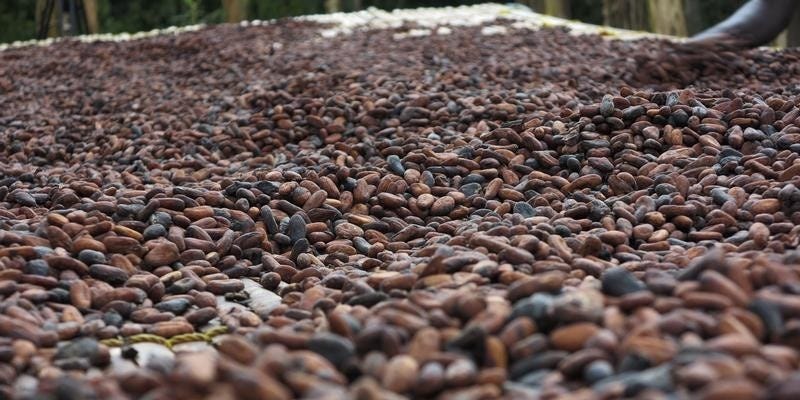
The country at the centre of the global chocolate industry says cocoa production is finally recovering after years of supply shocks that sent chocolate prices soaring across the world.
- Ivory Coast expects cocoa production to rise above 2 million tons this season.
- The rebound could ease global chocolate shortages and extreme cocoa prices.
- Farmers boosted output after cashing in on record cocoa prices.
- But drought fears are already threatening next season’s harvest.
Ivory Coast, the world’s largest cocoa producer, expects output to rise to between 2 million and 2.1 million metric tons in the current 2025/26 season, marking the first major rebound in three years.
The forecast is significantly higher than the 1.8 million-ton estimate projected earlier this year by traders and analysts surveyed by Reuters, raising hopes that pressure on the global cocoa market could begin to ease after one of its worst crises in decades.
Why this matters globally is simple: Ivory Coast is the backbone of the international chocolate supply chain.
Together with neighbouring Ghana, the country produces the majority of the world’s cocoa, meaning harvest disruptions in West Africa quickly translate into higher chocolate prices in Europe, the United States and other major consumer markets.
Over the past two years, cocoa prices surged to record highs after poor harvests, disease outbreaks and extreme weather slashed supplies across West Africa.
The crisis squeezed chocolate manufacturers, disrupted commodity markets and pushed up costs for consumers already battling inflation.
Some global confectionery companies responded by raising prices, shrinking product sizes or warning investors about mounting pressure on profits.
Now, Ivory Coast says high cocoa prices are helping farmers recover.
Yves Brahima Koné, head of the country’s Coffee and Cocoa Council (CCC), said stronger prices over the past two seasons enabled farmers to buy more fertiliser and improve plantation management, helping lift productivity.
“We currently stand at just over 1.7 million tons as of May 11, in terms of cocoa arrivals at the two ports,” Koné told Reuters. “This is a positive trend when compared to the last two seasons.”
The stronger harvest could also expose another reality in the market, large volumes of unsold cocoa sitting in Ivory Coast.
A Europe-based cocoa trader said exporters and farmers delayed selling beans while waiting for prices to climb further, leaving significant stocks still on the ground.
“There is still so much cocoa on the ground,” the trader said.
If those volumes begin flowing into Europe in the coming weeks, traders say global warehouses could suddenly appear much better supplied than expected, potentially cooling the market after months of historic volatility.
But the relief may only be temporary.
Even as this season improves, Ivory Coast is already warning about risks to the next harvest cycle, with drought conditions and weaker pod development raising fresh concerns.
Koné said early field surveys showed pod survival rates slightly below last year’s levels, while farmers and pod counters reported fewer flowers and young pods in several cocoa-growing regions.
“We have concerns about the end of this season, but above all about the start of the next main season,” he said.
The warning underscores a deeper problem confronting Africa’s cocoa industry: climate volatility is becoming more severe and increasingly unpredictable.
Scientists and industry groups have repeatedly warned that rising temperatures, irregular rainfall and crop disease could continue threatening cocoa production across West Africa, where millions of livelihoods depend on the sector.
For global food companies and investors, Ivory Coast’s latest forecast offers short-term relief after months of panic across the cocoa market.
But it also highlights how fragile the world’s chocolate supply chain has become.