Vaccines at birth give babies a healthy start
The morning sun had barely settled over Kukalanga Health Centre, Traditional Authority Chimwala in Mangochi, when Rose Dinasi, 40, stepped outside with her newborn, Ishmael Egesi, wrapped gently against her chest. While inside the maternity ward, the baby, from Kuwala Village, received his first protection in life. A tiny mark on the arm confirms that … The post Vaccines at birth give babies a healthy start appeared first on Nation Online.
 Black News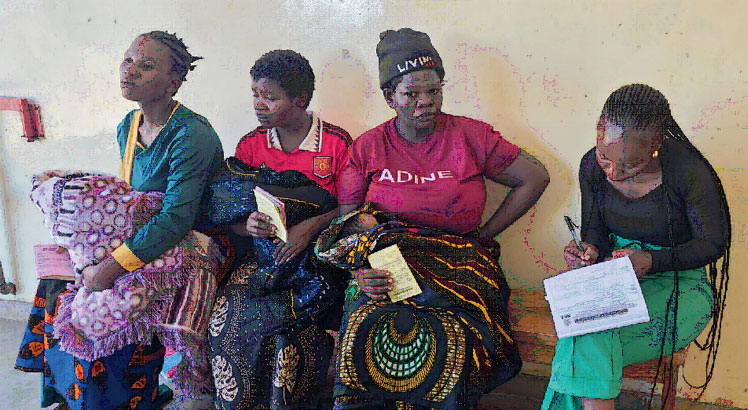
The morning sun had barely settled over Kukalanga Health Centre, Traditional Authority Chimwala in Mangochi, when Rose Dinasi, 40, stepped outside with her newborn, Ishmael Egesi, wrapped gently against her chest.
While inside the maternity ward, the baby, from Kuwala Village, received his first protection in life.
A tiny mark on the arm confirms that the baby has received the BCG vaccine, which protects children from tuberculosis and other deadly diseases.
Moments later, a few drops of oral polio vaccine followed, both the routine dose and an additional polio Type Two vaccine (nOPV2) being administered as part of Malawi’s response to the polio outbreak.
The emergency polio vaccination campaign, supported by Unicef and other partners, follows the discovery of poliovirus type two in a seven-year-old unvaccinated child and two sewage sites in Blantyre City.
The polio case, admitted to a public hospital in the country’s commercial capital, shows the power of routine immunisation for children under five to protect them from preventable diseases.
For Dinasi, this is familiar. It is a commitment she has had with all her children.
“I believe in vaccines and I make sure I adhere to the vaccination schedules,” she confessed.
Before emerging from the room, the mother respectfully checked with the nurse to confirm that Ishmael had received every vaccine required for newborns.
In the months ahead, she will return for the baby to receive more vaccines, including the malaria vaccine, which is now part of routine immunisation in Mangochi and 10 other worst-hit districts across the country.
Before leaving the hospital, Dinasi reached a desk where another important moment unfolds—she registered Ishmael with the National Registration Bureau, making him legally recognised as a Malawian citizen.
This simple act carries a lasting impact for her son. A birth certificate from the registration secures his basic rights to a name, legal identity, nationality, protection and access to social services.
Nurse, Hussen Jauma manages the steady flow of mothers and newborns moving in a vaccination line at the facility.
“Over the weekend alone, we had eight babies born here,” he explains. “All of them received their vaccines, including the polio vaccine, before discharge.”
Behind the scenes, the effort is coordinated and deliberate.
As part of the second round of the country’s polio campaign, a dedicated team—comprising a vaccinator, a recorder and a social mobiliser—visited villages surrounding the health centre to share the benefits of the oral vaccine and ensure they skip no deserving child.
With her baby vaccinated, Dinasi returned home with a smile, accompanied by a relative who helped her carry the newborn.
As they began the journey home, they were certain that the baby carries not only a name, but also protection, identity and the promise of a healthier future.
The Ministry of Health and Sanitation is leading implementation of the polio campaign with support from United Nations agencies such as Unicef and the World Health Organisation, alongside the European Union, the governments of Canada and Saudi Arabia and Rotary International.
The ministry reports that it has vaccinated about 6.6 million children, surpassing the initial target of 6.2 million. This represents a 106 percent coverage.
The ministry salutes health workers, volunteers, community leaders, faith leaders and teachers, whose collaboration ensured widespread access to the vaccine.
In January 2017, African leaders met in Ethiopia and endorsed the historic Addis Declaration on Immunisation as an indispensable part of quality early childhood development across the continent.
As part of the African Union declaration, the heads of State pledged to ensure that every child in Africa, receives the full benefits of vaccines for a healthy start in life.
As the continent observed this year’s African Immunisation Week from April 27 to May 1, the work happening in facilities such as Kukalanga Health Centre is a reminder that immunisation is more than a health service. It is a commitment to protection and an act of care that shapes a child’s future. Often, that journey begins within the very first 24 hours of life.
The post Vaccines at birth give babies a healthy start appeared first on Nation Online.