What Building CRWNMAG Taught Me About How Markets Actually Work
Every time someone extracted value from what we built, they were proving the value existed. Here's what I learned from that.
 Black News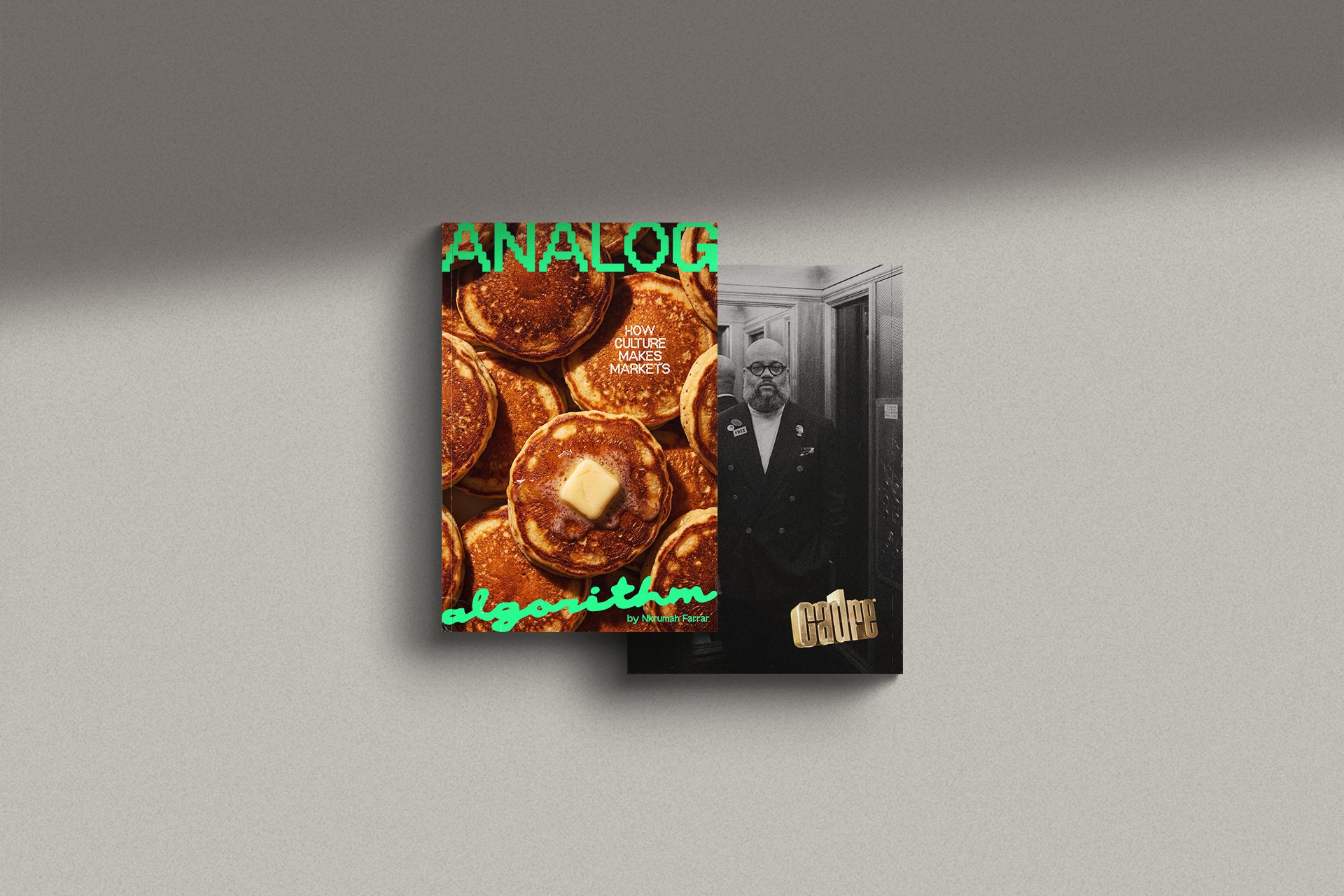
I have been building at the intersection of culture and commerce for twenty-five years. CRWNMAG was the proof of concept. What I learned inside it — about how cultural signal moves, who captures its value, and why the infrastructure to retain that value has never been built — became the framework for everything I am building next.
I wrote it down. It became a book.
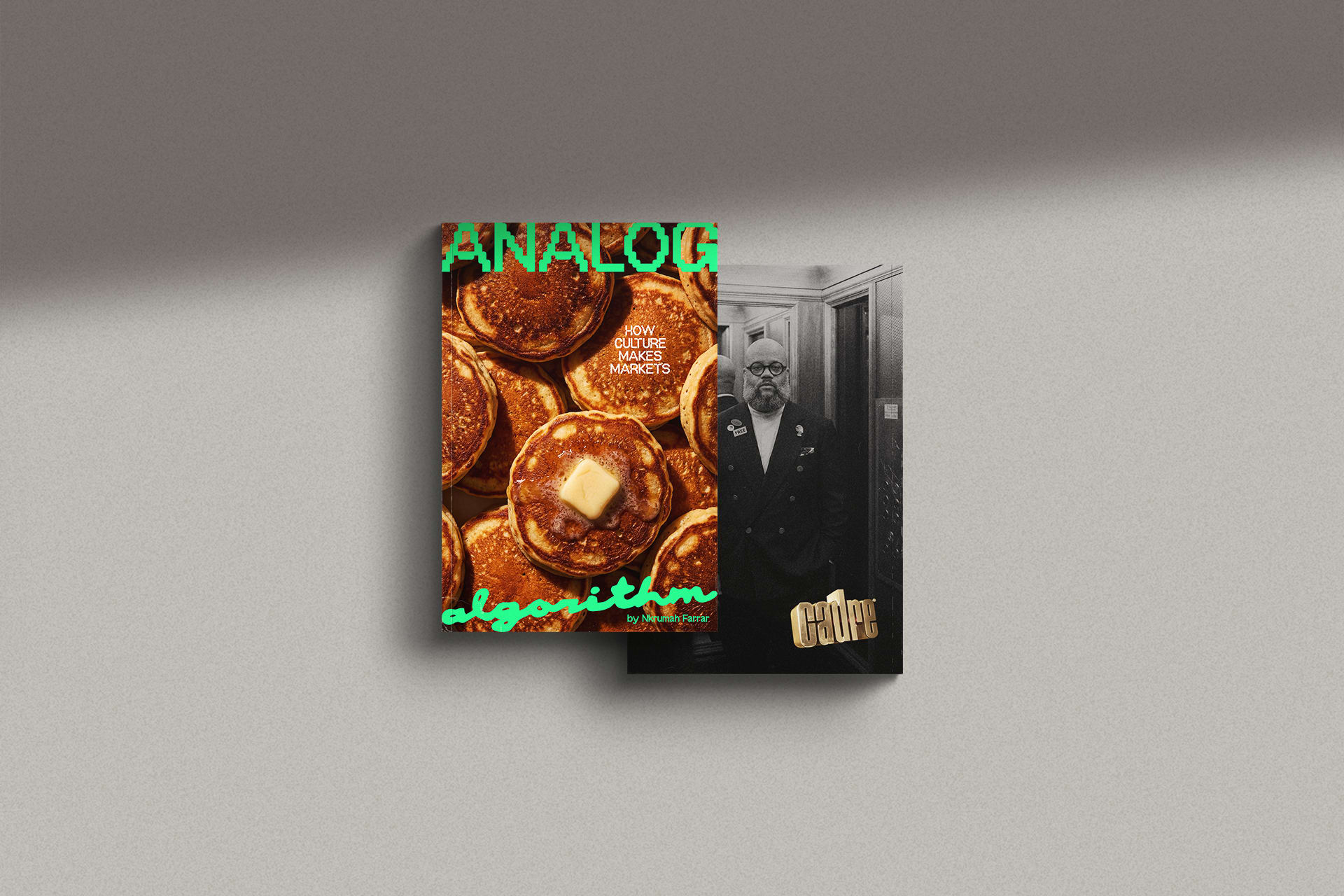
Analog Algorithm: How Culture Makes Markets is seven essays on the mechanism that determines what markets adopt. The introduction is below. A preview of the full manuscript is available here.
On These Essays
Every idea has its season.
I have been a creative entrepreneur since 1999 — long enough to know that being right about something and being right about the timing of something are two different skills, and that the second one is the harder one. I have been wrong about timing more than I have been wrong about ideas. I have launched things into headwinds that should have been tailwinds, built infrastructure for a moment that hadn’t arrived yet, and watched the market confirm what I already knew on someone else’s timeline.
I have also learned what it feels like when the timing is right. When the wind is at your back. When the friction that normally attends building something new is reduced because the conditions are aligned rather than opposed. Those moments are different in a specific, physical way — the work still requires everything you have, but the environment is moving with you rather than against you.
I have been watching for that opening for five years.
It is here now.
I am a student of history and a reader of the whole board. Not out of academic interest — out of operational necessity. Global economics and politics, technology, art, pop culture, food, the movement of capital and the movement of culture. I take in signal daily and analyze it for pattern, for direction, for the openings that form when multiple systems shift simultaneously. This is how I have always built — not by reacting to what is already visible, but by orienting toward what the pattern suggests is coming.
The pattern I have been watching for twenty years is the one this book describes.
Culture has always determined what markets adopt. The selection layer — the human network of people and environments that detect, filter, and legitimize signal — has always operated upstream of the formal economy, shaping demand long before capital recognizes it. I did not invent this mechanism. I observed it, built inside it, watched it extract value from the people closest to it, and spent two decades working toward the conditions that would make a correction possible.
Those conditions have arrived.
The technology shift is real and its implications are significant. But the deeper shift is structural: the gate between cultural origination and economic capture has come down. The people closest to where value forms now have leverage they have never had before. The infrastructure that should have existed all along is finally buildable.
This is the opening I have been waiting for.
I have built without partners for most of my career. Not out of preference — out of the nature of what I was building and when I was building it. Early-stage cultural infrastructure, before the category had language, does not attract conventional capital. You build with what you have, you move when the conditions allow, and you learn to be self-sufficient in ways that become both asset and habit.
What I am building now is bigger than what I can build alone.
For the first time, I am inviting equity partners into the work — and that means doing something I have never had to do before: explaining the play before I make it.
I am not a person who pitches. I am a person who builds. The pitch is not natural to me and it is not what this is. What this is, instead, is an attempt to make my partners see what I see — to share the framework I have been operating inside for twenty years precisely enough that the people who come in with me understand not just what we are building but why this is the moment to build it, and why the approach is what it is.
This book is that explanation.
I am also more interested in leaving breadcrumbs than in keeping trade secrets.
The leverage in this next chapter comes from organizing people around a shared understanding, not from hoarding insight. The people who build with me, invest with me, or walk in the same direction need to see the board the way I see it. These essays are the most complete version of the framework I have been operating inside all along — named precisely enough to be useful to the builders arriving at the same place from different directions, and to the investors who understand that the most important positions in a category are taken before the category has a name.
The analog algorithm has always been running.
Now we build the infrastructure that owns it.
Analog Algorithm: How Culture Makes Markets is forthcoming in print as a limited edition collectible and in digital form. A preview of the full manuscript is available now.