What History Teaches About Justice After War
By George Cassidy Payne Photos: Wikimedia Commons “How do we hold people accountable for wrongdoing and yet at the same time remain in touch with their humanity enough to believe in their capacity to be transformed?”— bell hooks The guns eventually fall silent. They always do. But the end of fighting is not the end of war. When bombs stop falling and ceasefires take hold, another struggle begins. It unfolds in courtrooms, truth commissions, community halls, and in the memories of those who survived. Nations emerging from violent conflict must confront questions that no military victory can answer. What happened? Who bears responsibility? Can justice coexist with mercy? Is reconciliation possible without accountability? Whenever the wars in the Middle East and Ukraine eventually subside, whether through negotiated settlements or military exhaustion, the international community will face the difficult work of building a peace that extends beyond the temporary absence of violence. That work will require more than reconstruction. It will require moral imagination. History offers no perfect blueprint, but it does offer wisdom. The experiences of Rwanda, postwar Germany, Chile, and South Africa reveal different approaches to accountability and reconciliation. Each illuminates both the promise and the limitations of pursuing justice after mass violence. Following the 1994 genocide in Rwanda, in which the UN says more than one million people, primarily Tutsi, were murdered in just 100 days, the country faced an almost unimaginable challenge. Survivors and perpetrators remained neighbors. Families had been shattered. Trust had disappeared. In the immediate aftermath, revenge killings occurred, prisons overflowed, and the formal justice system struggled under the weight of hundreds of thousands of cases. Eventually, Rwanda supplemented conventional courts with gacaca, community-based courts intended to uncover truth and encourage reconciliation. The lesson is sobering. When justice becomes indistinguishable from revenge, violence often reproduces itself. Trauma seeks expression, and without legitimate avenues for accountability, cycles of retaliation can become self-perpetuating. Communities devastated by war deserve more than vengeance. They deserve processes capable of honoring suffering while preventing new suffering. After World War II, the Nuremberg trials established a revolutionary principle. Individuals, not only governments, could be held legally accountable for crimes against humanity and war crimes. The trials transformed international law. They demonstrated that even those who wield enormous political power could answer before an international tribunal. Their legacy continues through international criminal courts and special tribunals established in later conflicts. Yet Nuremberg also left unresolved questions. Can justice ever be entirely impartial when it follows military victory? How can legal accountability be pursued without becoming an extension of geopolitical power? Those questions remain deeply relevant today. Allegations of serious violations of international humanitarian law have emerged from Ukraine—there is an International Criminal Court case against Putin–and Gaza—an arrest warrant is active from the ICC on Netanyahu for his alleged war crimes. International investigations, domestic courts, and multilateral institutions continue to debate how accountability should proceed. For advocates of peace, legal accountability matters, not because punishment alone creates peace, but because impunity often undermines it. Sometimes societies emerging from violence choose compromise over prosecution. After the dictatorship of Augusto Pinochet, Chile established truth commissions while allowing broad amnesty protections for many responsible for torture, disappearances, and political killings. The arrangement helped facilitate a relatively peaceful democratic transition. But many families waited decades for recognition and justice. The Chilean experience reminds us that peace agreements built on silence may provide short-term stability while leaving profound moral wounds unresolved. Ignoring painful truths rarely makes them disappear. Instead, they often resurface in future generations. Perhaps no modern experiment better illustrates restorative justice than South Africa’s Truth and Reconciliation Commission. Rather than relying exclusively on criminal trials, the commission invited victims to tell their stories publicly while allowing perpetrators to seek amnesty under carefully defined conditions if they fully disclosed politically motivated crimes. Led in part by Desmond Tutu, the commission rested upon the philosophy of ubuntu, the belief that our humanity is bound together. Justice, in this view, is not merely punishment but the restoration of broken relationships wherever possible. The process was imperfect. Many victim
 Black News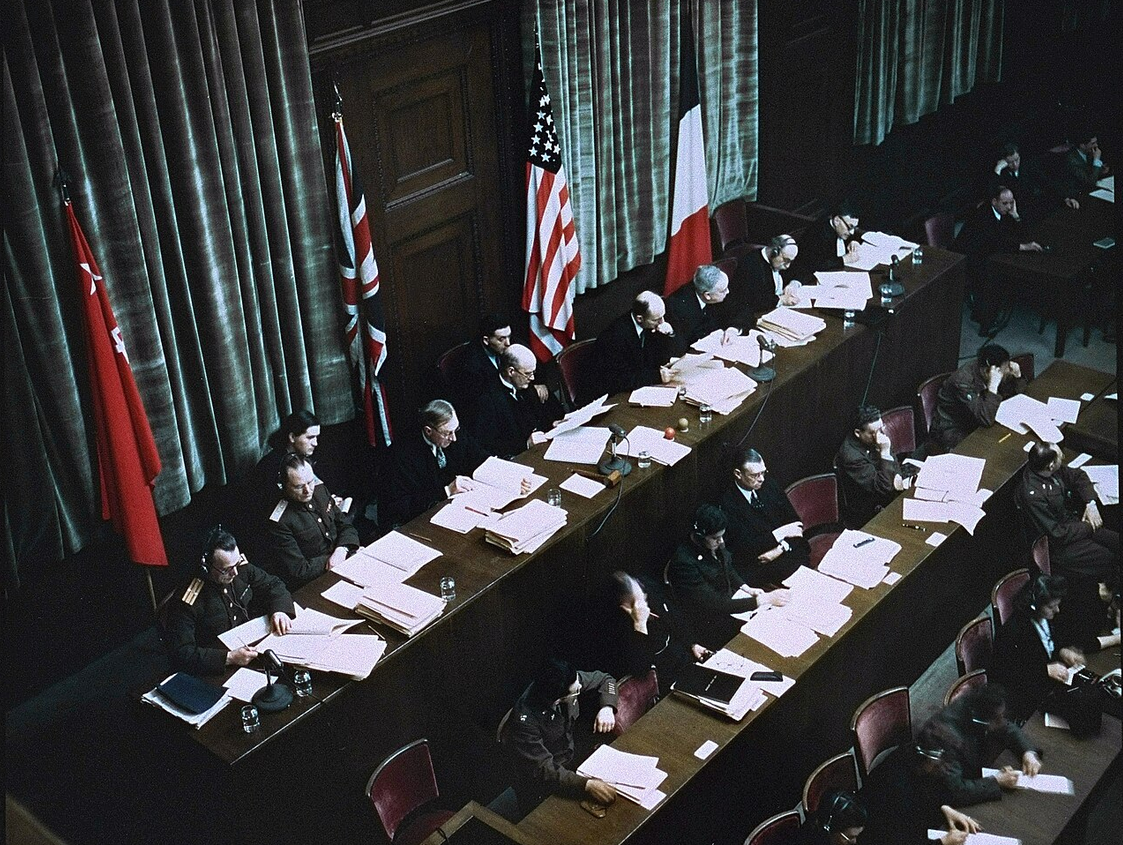
By George Cassidy Payne
Photos: Wikimedia Commons
“How do we hold people accountable for wrongdoing and yet at the same time remain in touch with their humanity enough to believe in their capacity to be transformed?”— bell hooks
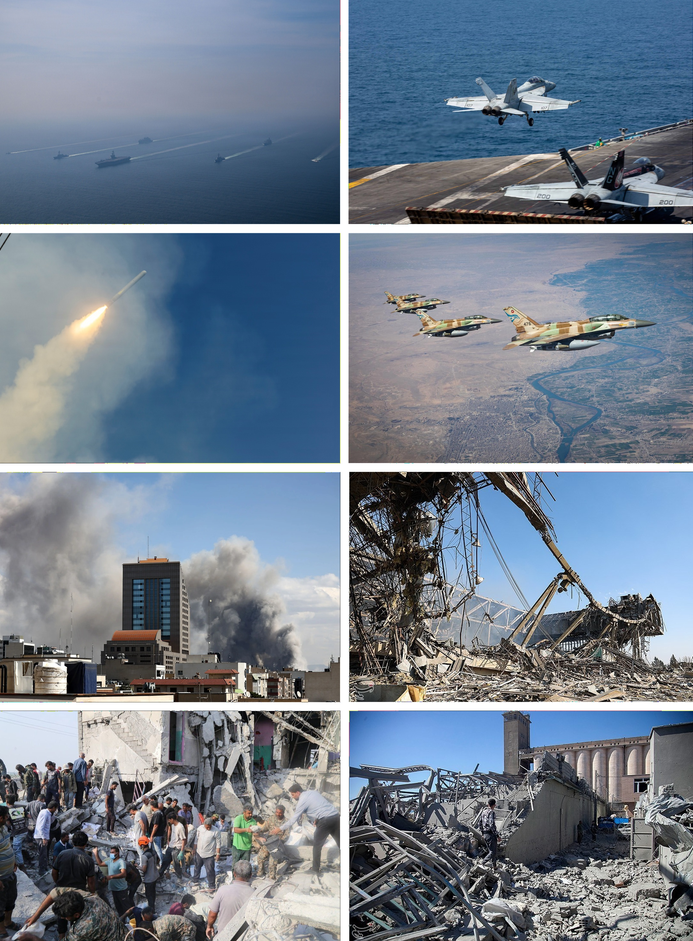
The guns eventually fall silent. They always do. But the end of fighting is not the end of war.
When bombs stop falling and ceasefires take hold, another struggle begins. It unfolds in courtrooms, truth commissions, community halls, and in the memories of those who survived. Nations emerging from violent conflict must confront questions that no military victory can answer. What happened? Who bears responsibility? Can justice coexist with mercy? Is reconciliation possible without accountability?
Whenever the wars in the Middle East and Ukraine eventually subside, whether through negotiated settlements or military exhaustion, the international community will face the difficult work of building a peace that extends beyond the temporary absence of violence. That work will require more than reconstruction. It will require moral imagination.
History offers no perfect blueprint, but it does offer wisdom. The experiences of Rwanda, postwar Germany, Chile, and South Africa reveal different approaches to accountability and reconciliation. Each illuminates both the promise and the limitations of pursuing justice after mass violence.
Following the 1994 genocide in Rwanda, in which the UN says more than one million people, primarily Tutsi, were murdered in just 100 days, the country faced an almost unimaginable challenge. Survivors and perpetrators remained neighbors. Families had been shattered. Trust had disappeared.
In the immediate aftermath, revenge killings occurred, prisons overflowed, and the formal justice system struggled under the weight of hundreds of thousands of cases. Eventually, Rwanda supplemented conventional courts with gacaca, community-based courts intended to uncover truth and encourage reconciliation.
The lesson is sobering. When justice becomes indistinguishable from revenge, violence often reproduces itself. Trauma seeks expression, and without legitimate avenues for accountability, cycles of retaliation can become self-perpetuating.
Communities devastated by war deserve more than vengeance. They deserve processes capable of honoring suffering while preventing new suffering.
After World War II, the Nuremberg trials established a revolutionary principle. Individuals, not only governments, could be held legally accountable for crimes against humanity and war crimes.
The trials transformed international law. They demonstrated that even those who wield enormous political power could answer before an international tribunal. Their legacy continues through international criminal courts and special tribunals established in later conflicts.

Yet Nuremberg also left unresolved questions. Can justice ever be entirely impartial when it follows military victory? How can legal accountability be pursued without becoming an extension of geopolitical power?
Those questions remain deeply relevant today. Allegations of serious violations of international humanitarian law have emerged from Ukraine—there is an International Criminal Court case against Putin–and Gaza—an arrest warrant is active from the ICC on Netanyahu for his alleged war crimes. International investigations, domestic courts, and multilateral institutions continue to debate how accountability should proceed.
For advocates of peace, legal accountability matters, not because punishment alone creates peace, but because impunity often undermines it.
Sometimes societies emerging from violence choose compromise over prosecution.
After the dictatorship of Augusto Pinochet, Chile established truth commissions while allowing broad amnesty protections for many responsible for torture, disappearances, and political killings. The arrangement helped facilitate a relatively peaceful democratic transition.
But many families waited decades for recognition and justice.
The Chilean experience reminds us that peace agreements built on silence may provide short-term stability while leaving profound moral wounds unresolved. Ignoring painful truths rarely makes them disappear. Instead, they often resurface in future generations.
Perhaps no modern experiment better illustrates restorative justice than South Africa’s Truth and Reconciliation Commission.
Rather than relying exclusively on criminal trials, the commission invited victims to tell their stories publicly while allowing perpetrators to seek amnesty under carefully defined conditions if they fully disclosed politically motivated crimes.
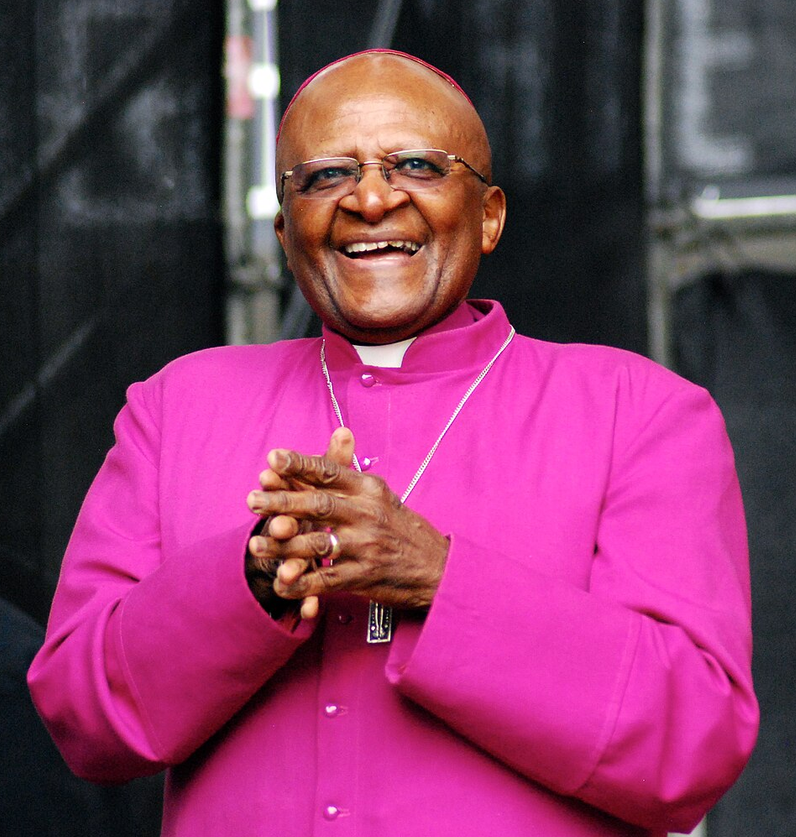
Led in part by Desmond Tutu, the commission rested upon the philosophy of ubuntu, the belief that our humanity is bound together. Justice, in this view, is not merely punishment but the restoration of broken relationships wherever possible.
The process was imperfect. Many victims believed accountability was insufficient. Others argued that reconciliation without economic justice remained incomplete.
Still, the commission demonstrated something essential. Peace depends not only upon legal verdicts but also upon public truth-telling. Survivors need acknowledgment and societies need honest memory.
The futures of Gaza and Ukraine will undoubtedly differ in countless ways. Each conflict has its own history, political realities, and human costs. No single model can simply be transplanted from one society to another.
History nevertheless suggests that durable peace rarely emerges from military victory alone.
Successful post-conflict societies often combine several approaches. They prosecute the gravest crimes, establish truth commissions, compensate victims, reform institutions, and invest in rebuilding civic relationships.
Justice need not be reduced to a choice between punishment and forgiveness.
Restorative justice asks a different question. What conditions allow communities not merely to survive violence but to recover their shared humanity?
Peace is not simply the absence of war. It is the presence of justice, truth, accountability, and human dignity.
The temptation after every conflict is to move on quickly, to rebuild buildings while neglecting broken relationships, to sign agreements while avoiding difficult conversations, and to mistake silence for reconciliation.
History cautions against that temptation.
From Rwanda we learn the dangers of revenge. From Nuremberg we inherit the principle that individuals can be held accountable under international law. From Chile we see the costs of sacrificing truth for political expediency. From South Africa we discover the possibilities, and the limits, of restorative justice grounded in shared humanity.
None of these models offers a perfect answer.
Together, they remind us that lasting peace is never imposed. It is patiently constructed through the difficult work of rebuilding trust between people who must somehow learn to share a future after unimaginable loss.
Wars may end with signatures on paper.
Peace begins when societies decide how they will remember, how they will seek justice, and whether they will choose vengeance or the harder path of reconciliation.

George Cassidy Payne, syndicated by PeaceVoice, is a Rochester-based writer whose work sits at the intersection of politics, ethics, and lived experience. A poet, philosopher, and 988 crisis counselor, he covers issues of democracy, justice, and community resilience.