Who controls South Africa’s major cities? Meet the new mayors
Johannesburg – South Africa’s major cities have a new political leadership following weeks of coalition negotiations after the November 4 local government elections, with the Democratic Alliance (DA) emerging as the biggest loser despite winning the largest share of votes in six of the country’s eight metropolitan municipalities. The DA will govern only two metros – Cape Town and Nelson... Read more → The post Who controls South Africa’s major cities? Meet the new mayors appeared first on African Insider.
 Black News
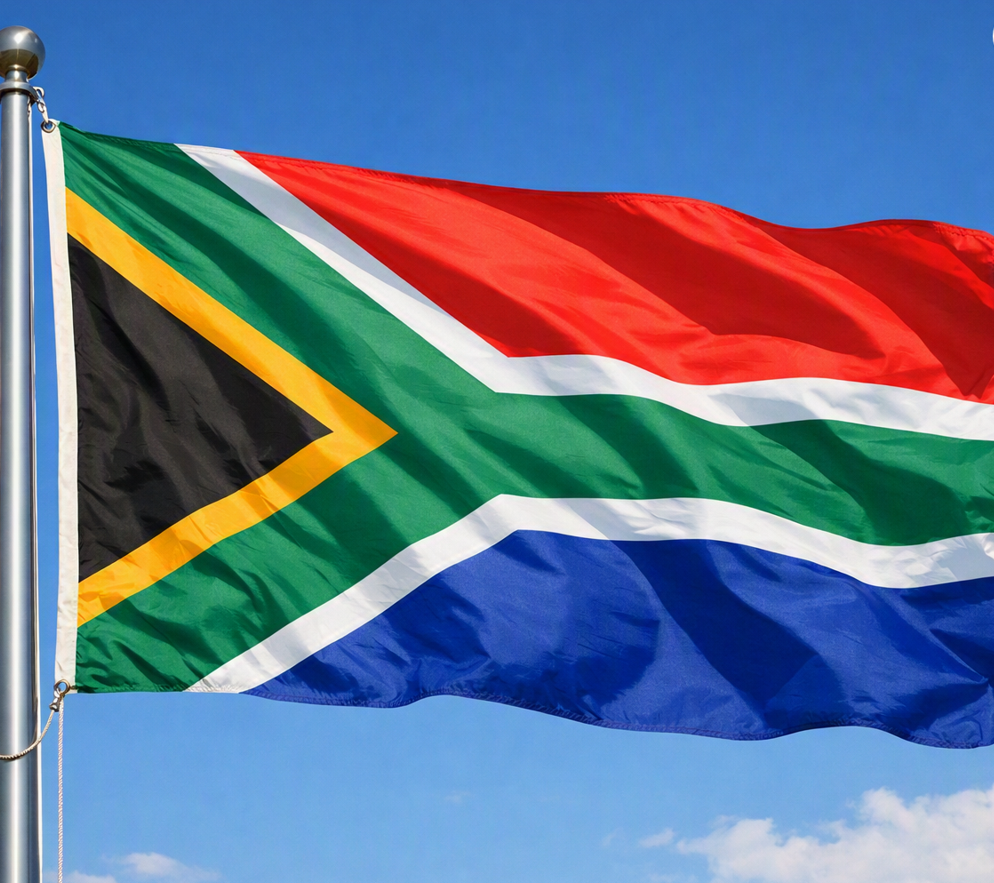
Johannesburg – South Africa’s major cities have a new political leadership following weeks of coalition negotiations after the November 4 local government elections, with the Democratic Alliance (DA) emerging as the biggest loser despite winning the largest share of votes in six of the country’s eight metropolitan municipalities.
The DA will govern only two metros – Cape Town and Nelson Mandela Bay – after securing the mayoral position in both.
DA leader Geordin Hill-Lewis retained the Cape Town mayoralty, where the party has an outright majority. In Nelson Mandela Bay, Retief Odendaal will serve as mayor under a six-party coalition.
Cape Town’s new Mayoral Committee is on a mission to build South Africa’s City of Hope!
This is the only city with a strong majority government. We will continue building the most homes in SA, creating more jobs, delivering reliable services and making communities safer.
https://t.co/wygWuztPRk
— Geordin Hill-Lewis (@geordinhl) November 27, 2026

The biggest political shake-up has taken place in Gauteng, where the DA won the most votes in Johannesburg, Tshwane and Ekurhuleni but has been excluded from governing all three metros.
ActionSA leader Herman Mashaba was elected Johannesburg mayor on Friday, returning to the position he previously held from 2016 to 2019. He defeated DA candidate Helen Zille by 170 votes to 97.
‘People need to be given an opportunity’
Johannesburg coalition includes the ANC, ActionSA, the Economic Freedom Fighters (EFF) and uMkhonto weSizwe (MK), with the DA excluded despite winning the most votes. The city has a budget of nearly R100 billion and has gone through seven mayors since the 2021 elections as coalition administrations repeatedly collapsed.
Mashaba said the coalition represented an opportunity to change the city’s fortunes.
“It just shows you that people need to be given an opportunity. And as ActionSA, this is the beginning of unleashing the potential of our people,” he said, according to Eyewitness News.
In Tshwane, ActionSA’s Nasiphi Moya was re-elected mayor after securing 115 votes against the DA’s Cilliers Brink, who received 87. The governing arrangement includes the ANC, ActionSA, EFF and MK, with EFF Treasurer-General Omphile Maotwe elected deputy mayor.
The ANC took control of Ekurhuleni, where Mziyanda Mketsu was elected mayor, while the party also retained Buffalo City and Mangaung. In Buffalo City, Princess Faku was elected mayor, while Vumile Nikelo will lead Mangaung.
ICYMI | A NEW CHAPTER UNFOLDS!
Ekurhuleni’s newly elected Executive Mayor Cllr Mziyanda Mketsu takes the oath of office, marking the start of the City’s sixth administration.
#Ekurhuleni #SixthAdministration https://t.co/2KlHR9cnxi
— CITY OF EKURHULENI (@City_Ekurhuleni) November 27, 2026
In KwaZulu-Natal, the MK Party secured control of eThekwini, with Apostle Mxolisi Phakathi elected executive mayor under an MK-ANC coalition.
Changing balance of power
Daily Maverick reported that the Gauteng outcome followed weeks of negotiations and described Mashaba as a central figure in the process, with the ANC and ActionSA securing the mayoralties in Johannesburg and Tshwane while the ANC took Ekurhuleni.
The coalition deals have also highlighted the changing balance of power in South African local politics. ANC Secretary-General Fikile Mbalula said the party expected to lead governments in 144 of the country’s 213 municipal councils.
“The African National Congress has therefore included and not excluded. Every major party in this country is somewhere in the system of arrangements we have settled,” Mbalula said.
He also described the DA as a “party of last resort” during coalition negotiations, saying cooperation with the DA at local level would only be considered if other options had been exhausted.
The outcome means that seven of South Africa’s eight metros are now governed through coalitions or multi-party arrangements, with Cape Town the only metro under a single-party majority.
The new administrations now face the bigger test of turning coalition agreements into functioning governments, amid longstanding problems involving service delivery, municipal finances, infrastructure and political instability.
Follow African Insider on Facebook, X and Instagram
Picture: Copilot
For more African news, visit Africaninsider.com
Compiled by Betha Madhomu
The post Who controls South Africa’s major cities? Meet the new mayors appeared first on African Insider.