Why Access to Care Still Looks Different Across the Rural South
In parts of Mississippi, Alabama and Louisiana, health care is about distance, time and whether an appointment can realistically fit into everyday life. The post Why Access to Care Still Looks Different Across the Rural South appeared first on Deep South Magazine.
 Black News


On a weekday morning outside Meridian, Mississippi, a routine doctor’s appointment can start before sunrise.
It means arranging a ride or filling up the truck, planning for a drive that might stretch close to an hour and figuring out how to be away from work long enough to make the trip worthwhile. If the appointment runs late or requires a follow-up, the day can quickly shift from manageable to complicated.
Across parts of Mississippi, Alabama and Louisiana, that kind of planning is still a normal part of getting care.
In these states, health care has never been just about whether a provider exists. It’s about distance, time and whether an appointment can realistically fit into everyday life.
Distance Is Still Part of the Equation
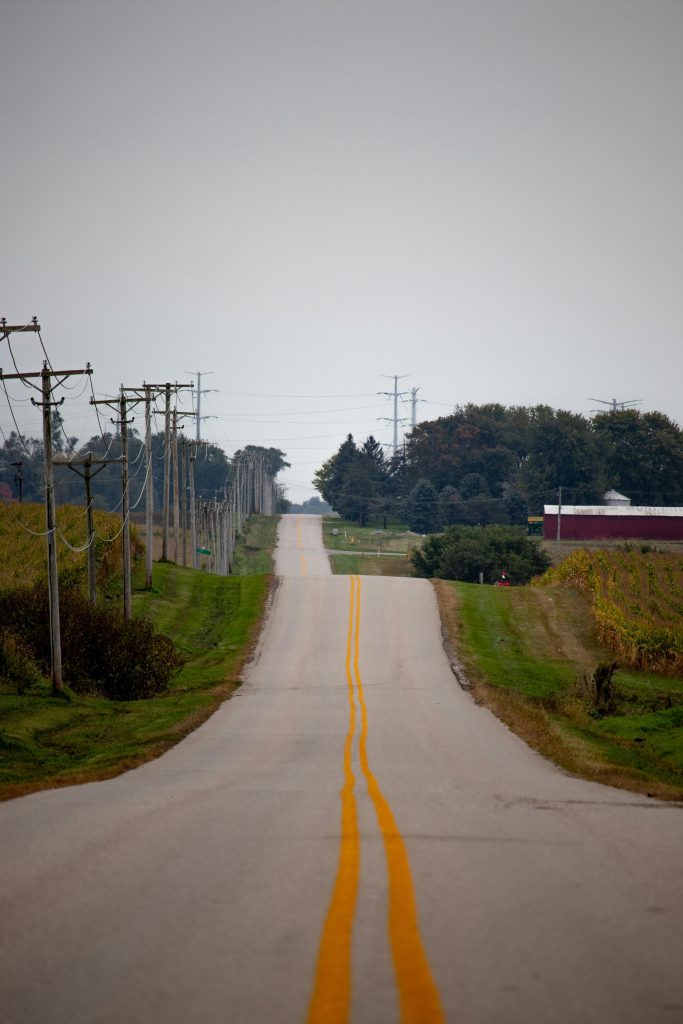
According to the U.S. Census Bureau, rural residents make up about 49 percent of Mississippi’s population, 41 percent of Alabama’s and 27 percent of Louisiana’s, compared to roughly 20 percent nationwide.
At the same time, these states face persistent provider shortages. The Health Resources and Services Administration designates large portions of all three states as Health Professional Shortage Areas (HPSAs), meaning there are not enough primary care providers to meet demand.
Transportation is a measurable barrier as well. Data from the Federal Highway Administration shows that people living in rural areas travel almost 40 percent more miles each year than those in cities. This is mostly because they have to go farther to get to work, essential services and health care.
In many rural counties in Mississippi and Alabama, public transportation is limited. For many people, having a car is often the only way to reach health care. Recent studies show that transportation remains a major barrier to health care in rural areas, especially for patients who need to travel long distances for regular appointments.
The Compounding Costs of Getting Care
Health care affordability is often discussed as a national issue, but in Mississippi, Alabama and Louisiana, it rarely exists in isolation. Instead, it overlaps with other realities that shape how—and whether—people seek care.
Income is one part of that picture. The U.S. Census Bureau reports that Mississippi and Louisiana often have the lowest median household incomes in the country, with Alabama not far behind. These states also face higher poverty rates than average, especially in rural areas where access to resources is already limited.
Insurance coverage adds another layer. Data from the Kaiser Family Foundation shows that uninsured rates in Southern states remain higher than the national average, and even insured residents are more likely to be enrolled in high-deductible plans. That means many patients still face high out-of-pocket costs before coverage begins.
But the financial burden doesn’t stop at the bill itself.
In rural parts of these states, getting to a medical appointment often means extra costs for fuel, car upkeep and missing work. Hourly workers may lose pay if they spend half a day traveling to a clinic. Families might also need to find childcare or adjust their daily routines.
Research from the Federal Reserve Bank of Atlanta shows that financial instability in parts of the Southeast makes it hard for people to handle even small, unexpected costs. When health care expenses are added, deciding whether to seek care becomes even harder.
As a result, what might seem like a routine appointment on paper can carry a much higher real-world cost. It’s not just the price of care: it’s the combination of time, travel and financial tradeoffs that come with it.
For many households across the Deep South, health care decisions are not simply about need. They are about timing, logistics and whether the full cost—both visible and hidden—can be managed in the moment.
When Care Becomes a Delayed Decision
Because of these challenges, many people across the rural South delay care out of necessity.
It’s common to wait until symptoms worsen before making the trip. Preventive care and follow-up visits are often the first to be postponed, especially when they require repeat travel or ongoing appointments.
Over time, this pattern can lead to more complex health issues that might have been easier to address earlier.
The reality is that access isn’t just about whether services are offered. It’s about whether those services are realistically within reach.
Community, Resourcefulness and Adaptation

What stands out across the rural South is how communities adapt.
Neighbors help coordinate rides. Families talk to each other about which providers they trust. Local clinics often serve as central hubs, bringing several services together in one place so people do not have to travel as much.
People show a lot of resourcefulness, finding ways to get the care they need even when the system is not always convenient.
However, being adaptable does not remove the barriers. It just helps people find ways to get around them.
A Shift Toward More Flexible Options
In recent years, there has been a gradual shift in how health care providers approach accessibility, particularly in parts of the South where traditional models have long fallen short.
Telehealth has helped bridge some gaps, especially for follow-up visits and mental health care. But its reach is still uneven. In many rural areas across Mississippi, Alabama and Louisiana, limited broadband access and technology barriers mean virtual care is not always a complete solution.
At the same time, providers are experimenting with more localized approaches. Mobile clinics and traveling care units have made it easier for people in underserved areas to get care by bringing services like screenings, dental care and basic treatment right to their communities. Federally qualified health centers and nonprofit clinics are also important, often providing sliding-scale services and serving as a steady source of care where there are few other options.
Some health care systems are also adjusting how care fits into daily life. Extended hours, weekend availability and partnerships with local employers are helping make appointments more practical for patients who cannot easily step away from work or family responsibilities during the day.
Providers are also helping individuals shift how care is paid for. Some hospitals and larger offices often have a dedicated billing department that can set up monthly payment arrangements based on income. Other practices do so through specialized medical lenders like Cherry Financing.
In regions where access already requires extra effort, these flexible payment options are not about convenience. They are about making care possible.
Why Regional Realities Still Matter
The conversation around health care in the United States often focuses on broad solutions. But the reality is that access is deeply local.
What works in a city doesn’t always translate to a rural county. What feels convenient in one region may be a significant challenge in another.
In the Deep South, health care decisions are shaped by geography, infrastructure and everyday life in ways that aren’t always visible from the outside.
Understanding those differences is part of understanding why access still looks the way it does—and why solutions need to meet people where they are.
Looking Ahead
Improving health care access in the rural South will likely require a combination of approaches.
Expanding provider networks, investing in infrastructure and increasing affordability all play a role. But so does recognizing the lived experience of the people navigating these systems every day.
For many across Mississippi, Alabama and Louisiana, getting care has never been just about making an appointment.
It’s about whether that appointment fits into real life.
The post Why Access to Care Still Looks Different Across the Rural South appeared first on Deep South Magazine.