Why China’s latest coffee move could reshape African agricultural exports
African coffee producers are set to gain access to one of the world's largest consumer markets after China announced it will begin accepting qualified coffee bean imports from 53 African countries from July 20, 2026.
 Black News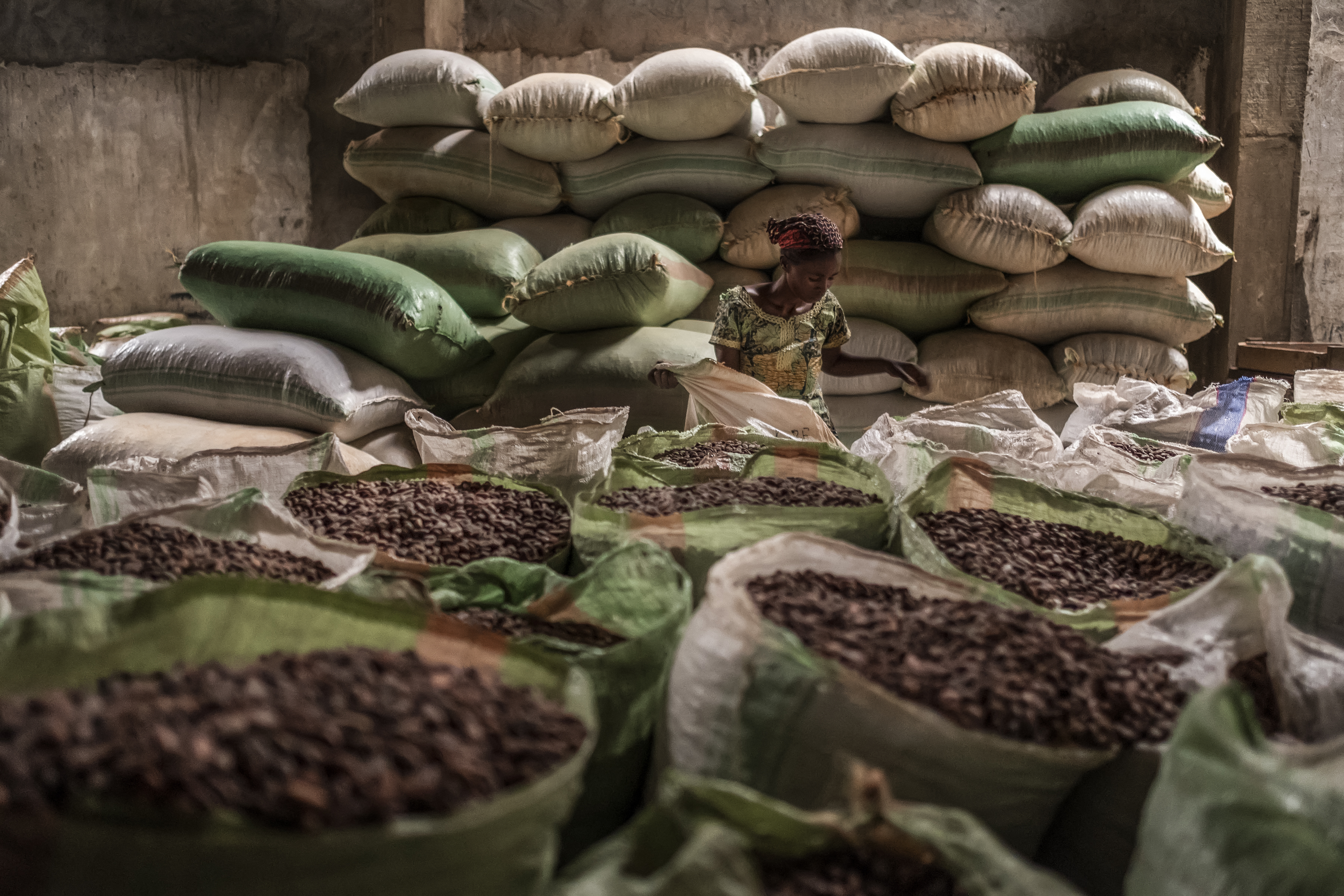
![A worker stands among sacks of cocoa beans at the SCAK cocoa processing plant in Beni on November 14, 2016. [Photo by EDUARDO SOTERAS/AFP via Getty Images]](https://ocdn.eu/pulscms/MDA_/d96a18961542648558c968dd371beb6a.jpg)
African coffee producers are set to gain access to one of the world's largest consumer markets after China announced it will begin accepting qualified coffee bean imports from 53 African countries from July 20, 2026.
- China will allow qualified coffee bean imports from 53 African countries beginning July 20, 2026.
- The policy introduces a single continent-wide framework, replacing country-by-country approval processes.
- African coffee exporters could benefit from easier access to China's fast-growing consumer market.
- The move is expected to deepen China–Africa trade ties and expand opportunities for one of Africa's most valuable agricultural exports.
The move marks one of the most significant expansions of agricultural market access between China and Africa in recent years and could create new export opportunities for coffee-producing nations seeking to diversify beyond traditional markets in Europe and North America.
China's General Administration of Customs said the decision applies to all African countries that maintain diplomatic relations with Beijing. Officials described coffee as a strategic product in China–Africa agricultural cooperation and the second African agricultural category to receive continent-wide phytosanitary clearance, following dried chilli peppers.
The policy introduces a unified set of import standards for African coffee exporters, replacing the previous system that required countries to negotiate separate quarantine and inspection agreements with Chinese authorities before gaining market access.
For many African producers, that change could significantly reduce administrative hurdles and shorten the path to entering China's growing coffee market.
Several African countries already export coffee to China, while others have submitted applications to join the market. The new framework is expected to broaden participation and simplify trade procedures across the continent.
Chinese authorities said the standards were developed following assessments of African coffee production systems and pest-control measures. Officials added that food safety requirements would remain in place under the new arrangement.
The customs agency also said it would continue to use a "green channel" mechanism designed to expedite the entry of qualified African agricultural products into China.
The decision comes as China and African countries seek deeper economic cooperation and stronger supply-chain links. For coffee-producing nations, the opening of the Chinese market could offer a valuable new destination for one of the continent's most important agricultural exports.