Why VDM’s Nationwide Protest Is Shaking Oyo and Other States Across Nigeria????????
By Moses Chibuike Ezechukwu As protests linked to social media activist VeryDarkMan spread beyond one location into Oyo State and several other parts of Nigeria, questions continue to arise over what is driving the demonstrations, why thousands are joining, and what the movement says about the country’s current social and political climate. The streets of […]
 Black News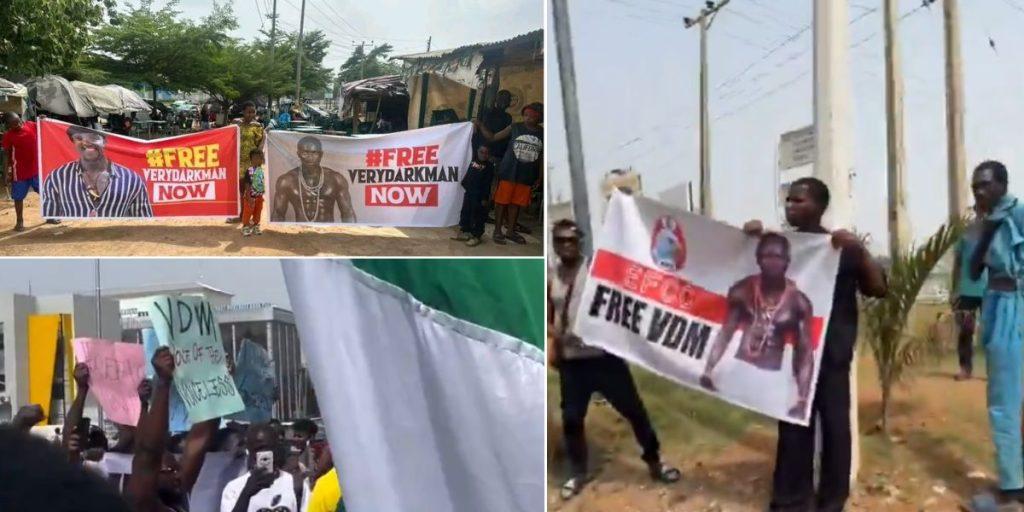
By Moses Chibuike Ezechukwu
As protests linked to social media activist VeryDarkMan spread beyond one location into Oyo State and several other parts of Nigeria, questions continue to arise over what is driving the demonstrations, why thousands are joining, and what the movement says about the country’s current social and political climate.
The streets of Oyo State have joined a growing list of locations witnessing demonstrations by supporters of social media activist Martins Vincent Otse, popularly known as VeryDarkMan (VDM). What initially appeared to be another online campaign has transformed into a broader movement, attracting young Nigerians who say they are protesting not just because of one individual, but because of deeper frustrations with governance, justice, and accountability.
Across several states, demonstrators have carried placards, chanted solidarity songs, and called on authorities to respect citizens’ rights while ensuring transparency in matters involving public figures. Although opinions remain divided on the methods and personality of VeryDarkMan himself, the protests have sparked an important national conversation about freedom of expression and the growing influence of digital activism in Nigeria.
For many observers, the demonstrations are less about celebrity activism and more about what VDM has come to represent for a section of Nigerian youths.
Why are people protesting?
The immediate trigger for the protests is the controversy surrounding VeryDarkMan and the actions taken against him. Supporters argue that he is being unfairly targeted because of his outspoken criticism of influential individuals and institutions. They insist that every Nigerian deserves fair treatment under the law regardless of popularity or public opinion.
Many protesters have described their demonstrations as peaceful expressions of concern rather than acts of confrontation. Their message is simple: justice should not only be done but should also be seen to be done.
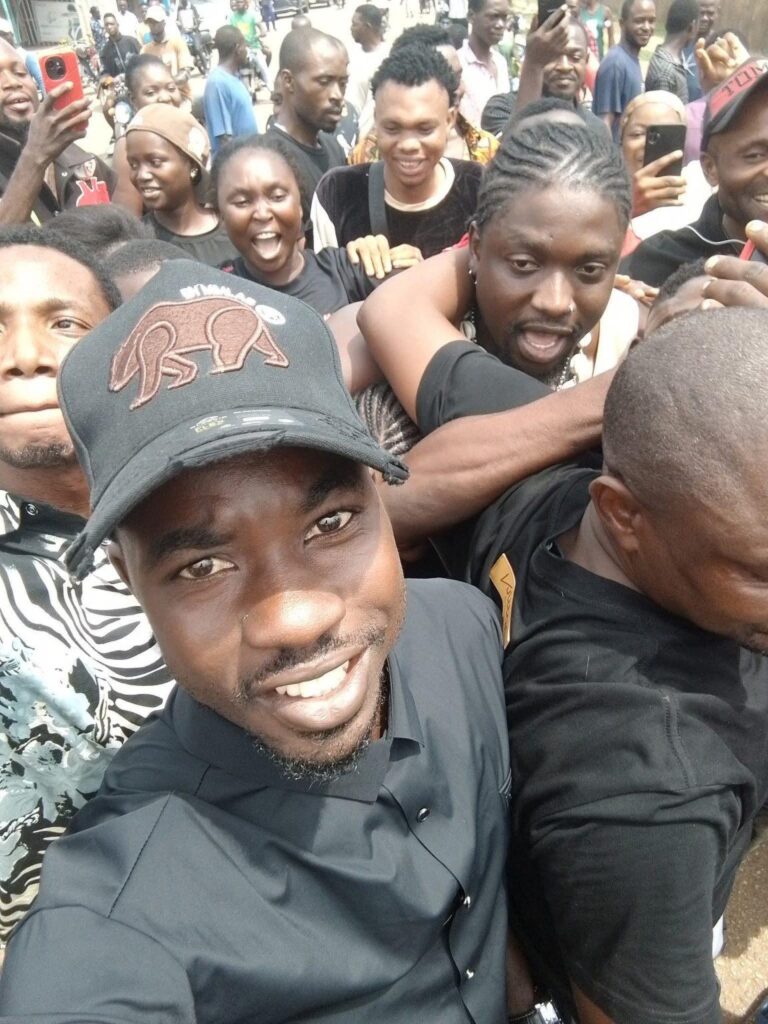
In Oyo State, participants echoed similar sentiments. Some said they joined because they believe selective justice undermines public trust, while others admitted they were motivated by a broader dissatisfaction with economic hardship, unemployment, and the rising cost of living.
That combination of immediate and underlying grievances has given the movement momentum beyond social media.
Why Oyo State?
Oyo State has a long history of civic engagement and youth participation in public affairs. From student movements to peaceful demonstrations on national issues, residents have often shown a willingness to speak up whenever they believe important concerns deserve public attention.
The VDM protest found fertile ground in the state because many young people already feel disconnected from institutions they believe should protect their interests. Organisers and supporters have used platforms such as X, Facebook, TikTok, and Instagram to mobilise participants, making coordination faster than ever before.
What makes the Oyo protest particularly notable is that many participants insist they are not members of any political party. Instead, they describe themselves as ordinary Nigerians exercising their constitutional right to peaceful assembly.
The power of social media
One of the defining features of this protest is the role played by digital platforms.
Years ago, organising nationwide demonstrations required months of planning and significant financial resources. Today, a viral video or trending hashtag can reach millions of people within hours.
VeryDarkMan built his popularity through social media by commenting on controversial issues, exposing alleged misconduct, and speaking in a style that many young Nigerians consider relatable. Whether people agree with his opinions or not, few can deny his influence online.
That digital influence has now translated into real-world gatherings, demonstrating how online personalities increasingly shape public discourse in Nigeria.
The protests also highlight a changing relationship between citizens and traditional media. While newspapers and television stations still play important roles, many Nigerians now receive breaking news directly from content creators and online commentators.
Supporters and critics remain divided
Like many public movements, the VDM protests have generated mixed reactions.
Supporters argue that standing up for individuals they believe are being treated unfairly is essential for protecting democratic values. They believe silence could encourage abuse of power and weaken public confidence in institutions.
Critics, however, caution against turning individuals into symbols without carefully examining all available facts. They argue that investigations and legal processes should be allowed to run their course without unnecessary pressure from public demonstrations.
Others worry that protests can sometimes be hijacked by individuals pursuing unrelated agendas, potentially leading to disorder if not properly managed.
These differing opinions reflect the complexity of the issue and explain why discussions continue to dominate both online and offline conversations.
A reflection of wider frustrations
Beyond the controversy surrounding VeryDarkMan, many analysts believe the demonstrations reveal something much larger.
Nigeria’s youth population continues to grapple with inflation, unemployment, insecurity, and uncertainty about the future. As economic pressures increase, frustrations often find expression through social movements.
For some protesters, participating in the VDM demonstrations represents an opportunity to express concerns that extend far beyond one activist.
Interviews conducted by different media organisations during similar protests across the country have consistently shown that many young Nigerians want stronger institutions, equal treatment under the law, and leaders who listen to citizens’ concerns.
In that sense, the demonstrations are as much about national issues as they are about one public figure.
What happens next?
The future of the protests depends largely on developments surrounding the issues that sparked them.
If authorities continue to engage transparently and ensure due process, tensions may gradually reduce. However, if supporters believe their concerns are being ignored, demonstrations could continue or evolve into broader conversations about governance and accountability.
Security agencies also face the delicate task of maintaining public order while respecting citizens’ constitutional rights to peaceful assembly and freedom of expression. Striking that balance remains one of the biggest challenges during public demonstrations anywhere in the world.
Civil society groups have repeatedly encouraged both protesters and law enforcement agencies to avoid violence and prioritize dialogue.
The bigger picture
Whether one supports VeryDarkMan or disagrees with him, the protests unfolding in Oyo State and other parts of Nigeria demonstrate the growing power of citizen engagement in the digital age.
Social media has transformed ordinary individuals into influential voices capable of mobilising thousands within a short period. It has also made public institutions more accountable to citizens who now expect faster communication and greater transparency.
At the same time, the situation serves as a reminder that democratic societies thrive when disagreements are addressed through lawful processes, open dialogue, and respect for fundamental rights.
Ultimately, the VDM protests are about more than one personality. They reflect a generation seeking fairness, accountability, and a stronger voice in shaping Nigeria’s future. Whether these demonstrations produce lasting change remains uncertain, but they have undoubtedly succeeded in bringing important national conversations back into the spotlight.
As events continue to unfold, Nigerians across different states will be watching closely, hoping that the outcome strengthens public trust, protects constitutional rights, and reinforces the principles of justice that every democratic society depends upon.