
Zimbabwe just drew a hard line for foreign miners concerning its gold
Zimbabwe is stepping up its campaign for resource-driven industrialization by prohibiting foreign individuals and firms from participating in small-scale gold mining, the latest move in a larger strategy to boost local ownership and promote the domestic mineral industry.
 Black News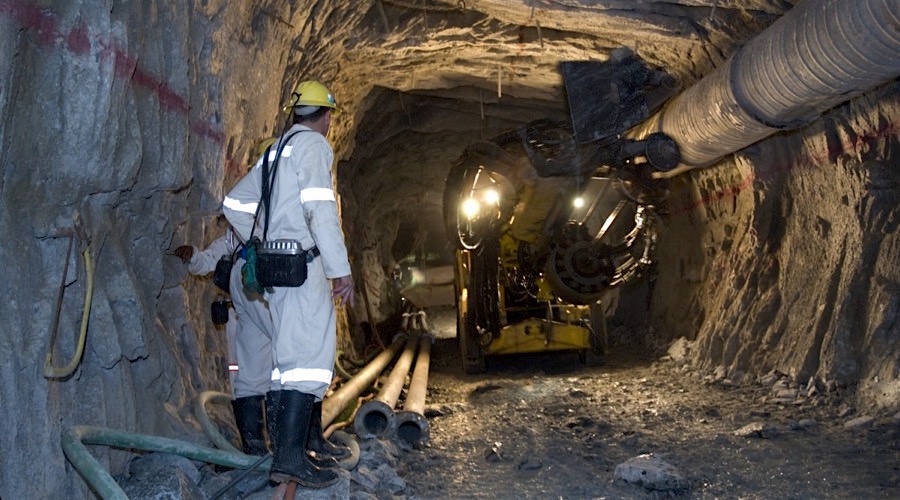

Zimbabwe is stepping up its campaign for resource-driven industrialization by prohibiting foreign individuals and firms from participating in small-scale gold mining, the latest move in a larger strategy to boost local ownership and promote the domestic mineral industry.
- Zimbabwe has banned foreign individuals and companies from participating in small-scale gold mining to promote local ownership and empower citizens.
- Foreign players must significantly increase their investment or exit the sector by January, according to the new policy.
- The restrictions apply to mining entities producing less than 20 kilograms per month and with capital under $15 million.
- Zimbabwe has also accelerated its ban on raw lithium concentrate exports, now requiring domestic processing before exports are allowed.
Polite Kambamura made public the policy in the country’s capital, Harare, which compels all foreign players participating in Zimbabwe's small-scale gold mining sector to either dramatically increase investment and production or cease operations by January.
DON'T MISS THIS: Zimbabwe export ban drives lithium and PGMs to nearly $1 billion mineral sales
The government claims the decision is intended to protect local jobs, empower indigenous miners, and keep more mining income within Zimbabwe.
“The small-scale gold-mining sector in Zimbabwe is reserved exclusively for Zimbabwean citizens,” he said.
This reservation applies to entities whose monthly production does not exceed 20 kilograms and whose total capital investment is valued at less than $15 million.
Small-scale operations are responsible for 65% of the nation's gold production.
Within the initial four months of the current year, Zimbabwe's total output reached approximately 12,637 kg, representing a 1.3% increase compared to the previous year, as seen on Bloomberg.
Over the last year, Zimbabwe has aggressively reduced raw mineral exports in favor of domestic value addition, a strategy increasingly pursued by resource-rich African economies looking to expand industrial capacity.
A major focus has been on lithium, a crucial mineral found in electric vehicle batteries and energy storage systems.
Zimbabwe’s lithium ban
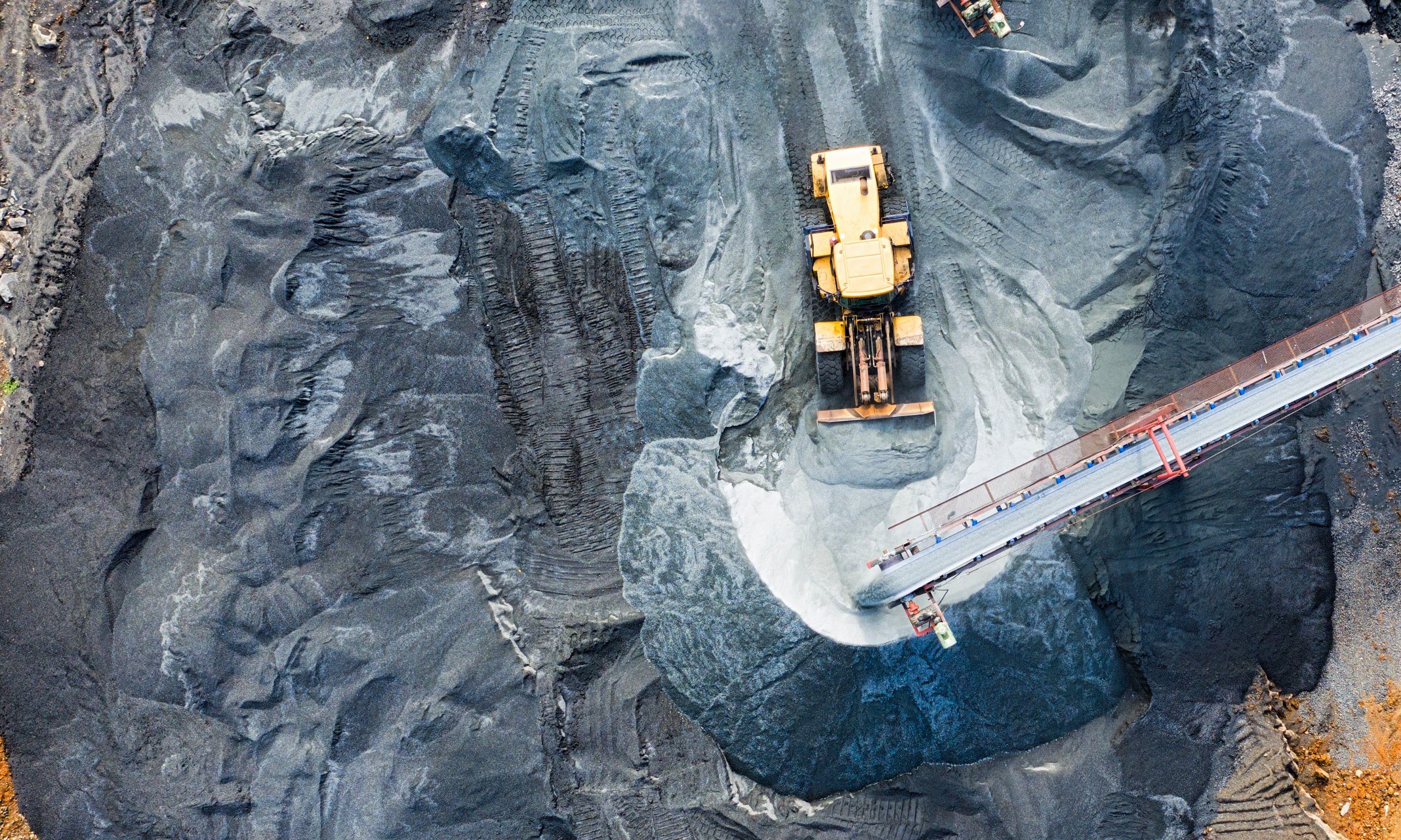
Zimbabwe announced plans in 2025 to limit lithium concentrate exports starting in 2027, to encourage more local processing.
That deadline was later greatly accelerated, as authorities implemented the export embargo earlier than intended in February 2026, claiming leakages, misconduct, and fears that transporting raw materials outside was costing the country too much.
By April, officials had imposed even harsher rules: firms wishing to resume lithium exports would now face mandated quotas and must agree to establish domestic processing units before any shipments could begin.
Together, the lithium and gold policies reflect a clear strategy: transform Zimbabwe from a raw-material exporter to a minerals-processing and manufacturing hub.
If successful, the strategy might spur new investment in refining plants, smelters, battery-material factories, and mining equipment supply chains, resulting in jobs far beyond extraction.












![Taylor Polidore Williams Says Indie Film ‘HPV: Her Pretty Vagina’ Is Bigger Than Entertainment: ‘I Knew It Was A Necessary Conversation’ [Exclusive]](https://bossip.com/wp-content/uploads/sites/28/2026/05/17794757122146.jpg?quality=80&strip=all&w=1024&crop=0,0,100,683px#)
