Zimbabwe's top critical mineral could be in focus as the US commits $300 million to detach from China
The United States' recent drive to secure critical mineral supplies may open up opportunities for Zimbabwe, Africa's largest lithium producer, as Washington seeks to lessen its reliance on China for battery materials.
 Black News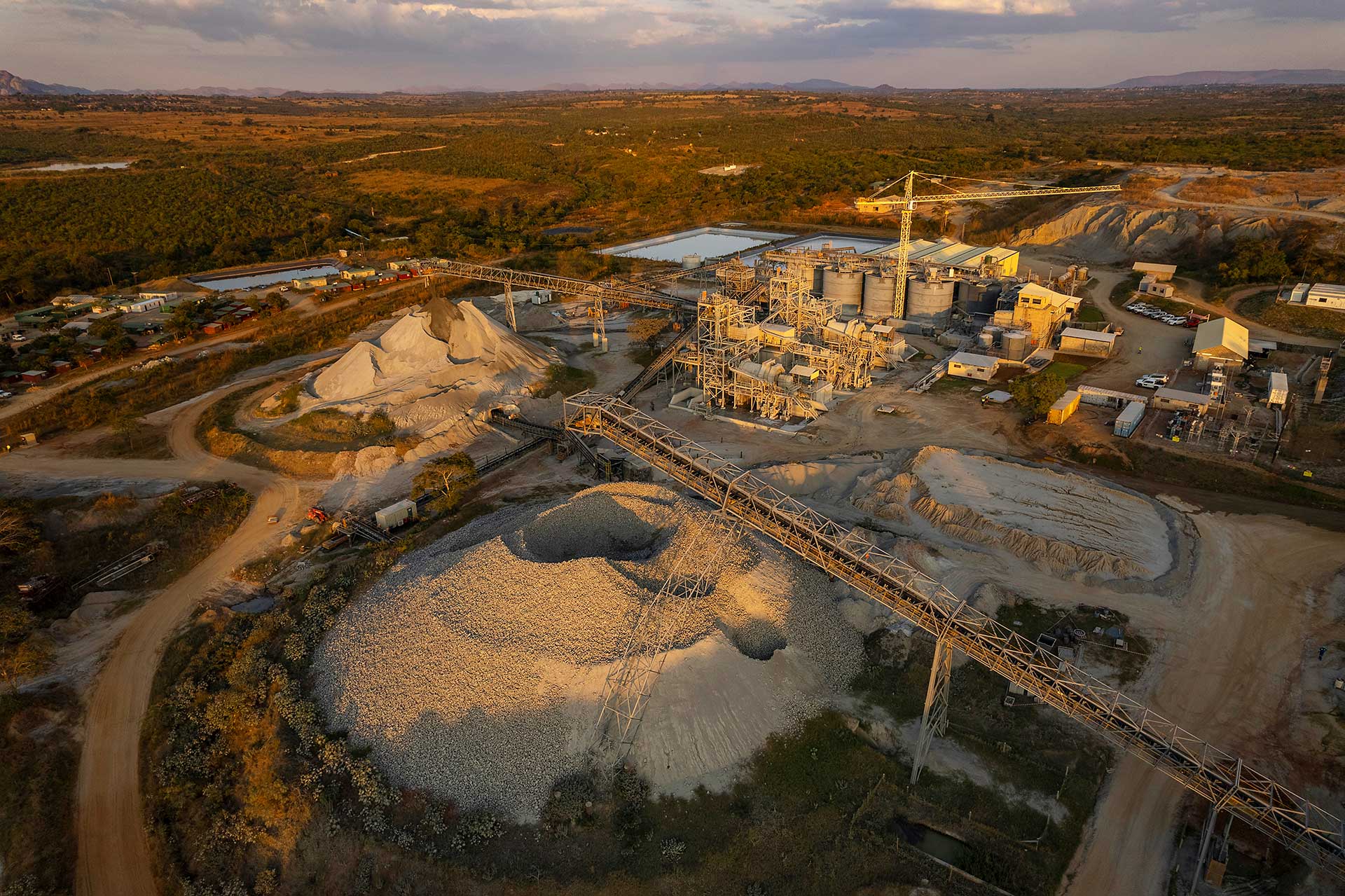

The United States' recent drive to secure critical mineral supplies may open up opportunities for Zimbabwe, Africa's largest lithium producer, as Washington seeks to lessen its reliance on China for battery materials.
- The US is aiming to secure critical minerals and reduce reliance on China by constructing a lithium stockpile and purchasing 16,000 tonnes of battery-grade lithium carbonate over five years.
- The US Department of Defense, through the Defense Logistics Agency, has launched a $300 million contract for lithium procurement, with bids due by July 17.
- Zimbabwe, Africa's largest lithium producer, is expanding output and may become a key supplier for the U.S. as global competition for battery minerals intensifies.
- Zimbabwe's lithium production surged by 30% in early 2025 compared to the previous year, with projections of further growth and moves toward more local processing.
The United States Department of Defense has announced intentions to initiate a strategic lithium stockpile and to purchase around 36 million pounds (16,000 tonnes) of battery-grade lithium carbonate over the next five years under a $300 million contract.
The project, spearheaded by the U.S. Defense Logistics Agency (DLA), demonstrates Washington's growing emphasis on critical minerals, which have become important to economic and national security as global competition for battery materials heats up.
According to procurement documents, as seen on Bloomberg, the DLA has requested that suppliers submit fixed-price offers for delivery over five years.
The U.S. government stated that it wants to spend a minimum of $1 million and up to $300 million on the contract, with bids due by July 17.
The move comes as the United States attempts to diversify supply chains for minerals used in electric car batteries, renewable energy storage systems, and defense technology, decreasing its reliance on China, which controls much of the global lithium processing business.
A country like Zimbabwe, which is Africa's top lithium producer, may become a beneficiary of this move even as the U.S. seems wary of uncertainties from the market.
Zimbabwe's growing influence
While the document did not mention supply nations, Zimbabwe's fast-developing lithium sector may play a more vital role in Washington's overall critical minerals agenda.
DON’T MISS THIS: Zimbabwe is taking another major step to stop it from losing money from its lithium exports
Zimbabwe remained Africa's largest lithium producer in 2024, and it continues to improve its position in the global battery materials market with increased output and significant mining investments.
The country sold 586,197 metric tonnes of lithium concentrate in the first half of 2025, up 30% from 451,824 metric tonnes shipped the previous year.
Production is likely to rise further, with projections indicating that Zimbabwe would produce around 160,000 tonnes of lithium carbonate equivalent per year by 2030, far outperforming other African producers.
This surge in output coincides with rising global demand for lithium, which is being driven by increasing electric car adoption and the expansion of global energy storage capacity.
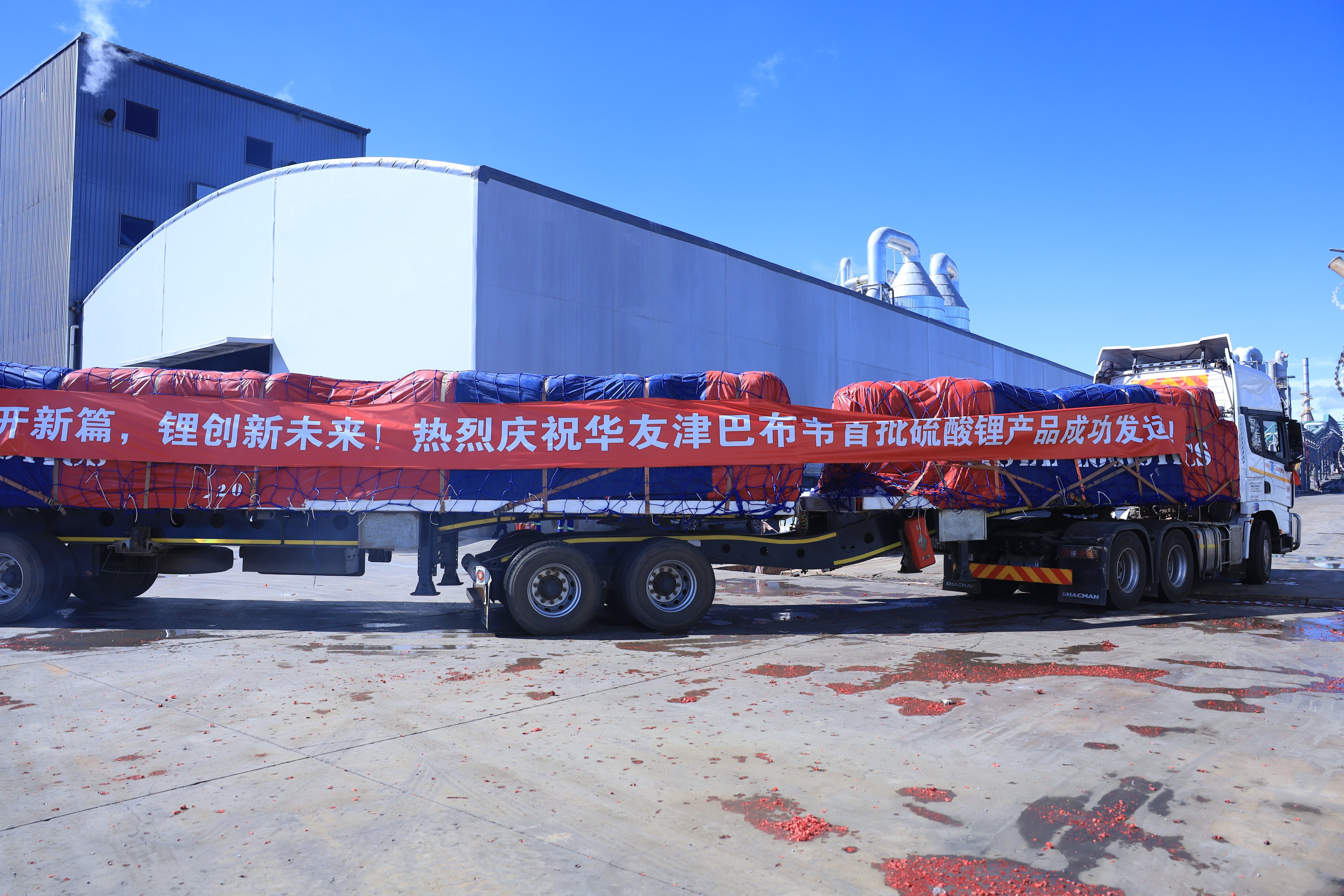
Zimbabwe's lithium potential has already drawn significant investment from China, demonstrating Beijing's long-standing goal of securing upstream supply of crucial minerals.
Additionally, Zimbabwe is currently in a phase where it intends to halt the export of lithium concentrates and take a more pivotal role in the mineral’s supply chain by processing it.
The Southern African country may be able to extend its client base beyond conventional buyers by expanding local processing capacity and producing additional battery-grade lithium products that match international criteria.
For now, Zimbabwe is still open to the idea of exporting raw lithium under specific conditions.
As global powers compete to secure critical minerals required for the energy transition and national security, Zimbabwe's expanding production capacity could position the country as an increasingly significant supplier in the evolving global lithium market, potentially positioning it as an important contributor to future US supply diversification efforts.