2 North African military powers spend $31.7 billion into an escalating arms race backed by the US and Russia
Fifteen years after NATO’s intervention plunged Libya into prolonged instability, North Africa is witnessing a new military build-up led by Algeria and Morocco, which spent a combined $31.7 billion on defence in 2025 as they expanded rival fighter-jet programmes backed by Russia and the United States.
 Black News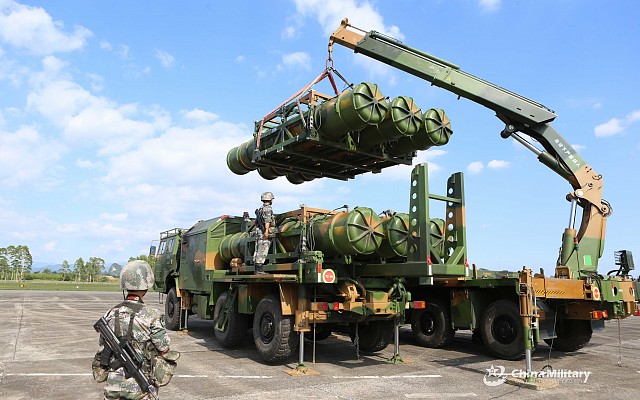

Fifteen years after NATO’s intervention plunged Libya into prolonged instability, North Africa is witnessing a new military build-up led by Algeria and Morocco, which spent a combined $31.7 billion on defence in 2025 as they expanded rival fighter-jet programmes backed by Russia and the United States.
- Algeria and Morocco significantly increased their military spending in 2025, together investing $31.7 billion and expanding rival air force programs backed by Russia and the United States.
- Algeria's defense budget rose to $25.4 billion, the highest in Africa, with major investments in Russian aircraft like the Su-34M, while Morocco's grew to $6.3 billion, centered on US-built F-16 jets.
- Algeria’s military posture is influenced by instability in Libya, the Sahel, and its desire to deter Western interventions, while Morocco’s is largely driven by the Western Sahara issue.
- The defense buildup reflects both countries' different economic foundations and shared regional security concerns, amid a legacy of instability following NATO’s 2011 intervention in Libya.
Algeria accounted for most of the spending, with its military budget rising 11% to $25.4 billion in 2025, the highest in Africa, according to the Stockholm International Peace Research Institute.
The outlay was equivalent to 8.8% of gross domestic product and about a quarter of total government expenditure.
On both measures, Algeria ranked second only to war-torn Ukraine and, notably, spent a larger share of GDP on its military than Israel, which allocated 7.8%.
Morocco, meanwhile, increased military spending by 6.6% to $6.3 billion, equivalent to about 3.5% of GDP and nearly twice South Africa’s $3.2 billion defence budget and three times Nigeria’s $2.1 billion expenditure, despite both economies being larger.
Strategically, Rabat’s spending is driven largely by the Western Sahara dispute, while Algeria’s military posture has also been shaped by the fallout from NATO’s 2011 intervention in Libya, a former regional power, as well as instability along its eastern border and across the Sahel and efforts to deter any future Western-backed intervention.
Algeria receives Russian Su-34M strike fighters
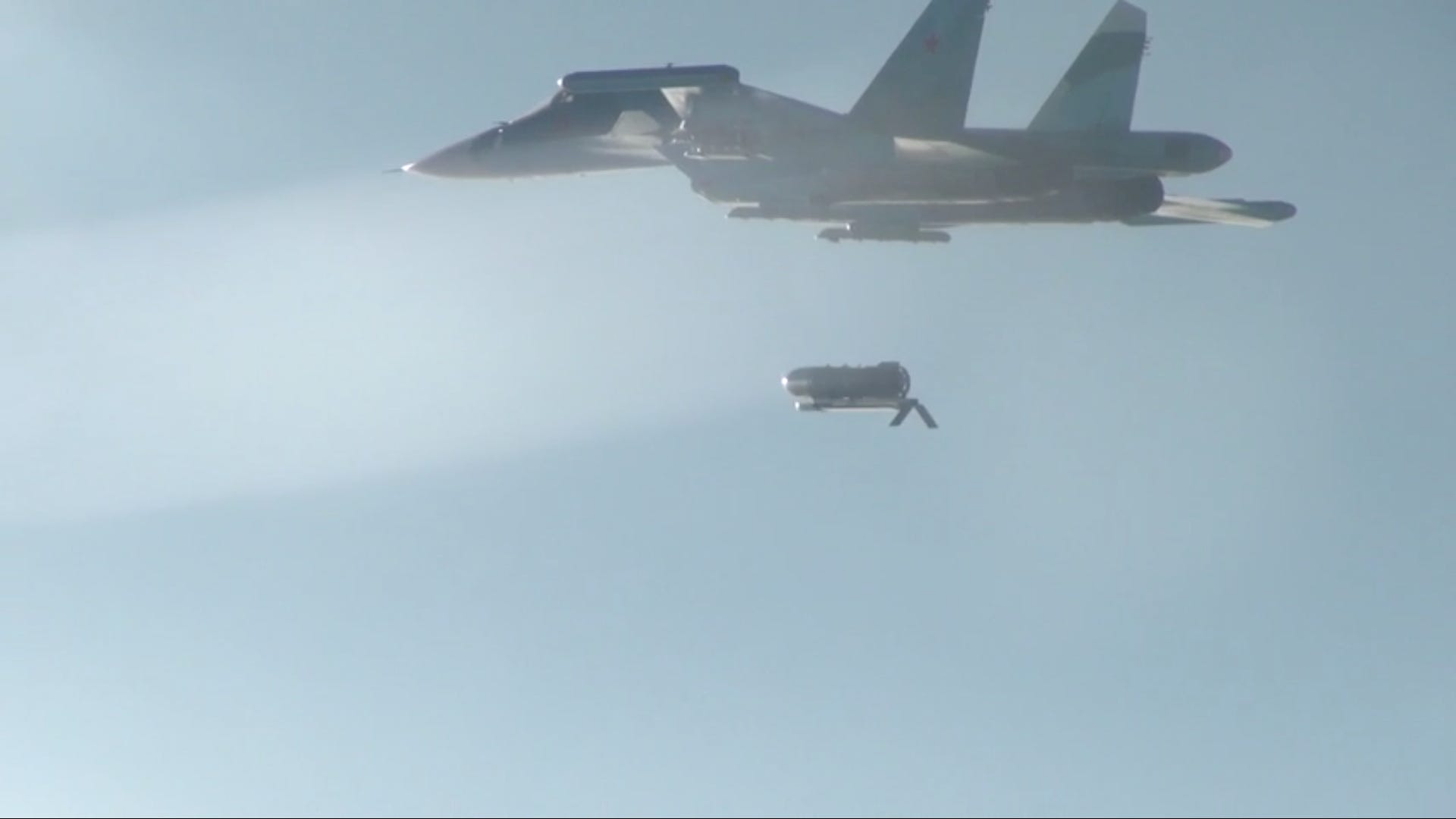
Algeria recently received its first Russian Su-34M strike fighters, Business Insider Africa reported in May, making it the first foreign operator of the aircraft.
The acquisition reportedly made Algeria the first foreign operator of the Su-34M and has been linked to a 2019 arms deal with Russia, signed before the war in Ukraine disrupted global defence markets.
Algerian defence publications reported that Algiers ordered 42 Russian combat aircraft, comprising 14 Su-34MEs, 14 Su-35Es and 14 Su-57E fifth-generation fighters, with deliveries initially due by 2025.
However, Russia’s war in Ukraine, Western sanctions and higher domestic demand for military equipment are believed to have affected the delivery schedule.
Algeria’s existing fleet includes more than 70 Su-30 fighters, MiG-29 aircraft and dozens of Su-24M strike jets.
It also operates Russian-built T-90 battle tanks, S-300 air-defence systems, helicopters and Kilo-class submarines.
Morocco expands its US-built F-16 fleet
Morocco, by contrast, is pursuing a Western-backed military modernisation programme centred on US fighter aircraft, precision weapons and closer defence ties with Israel.
The Royal Moroccan Air Force operates 23 F-16C/D Block 52+ jets, while Washington approved a potential $3.8 billion sale of 25 F-16C/D Block 72 aircraft in 2019, alongside a programme to upgrade Morocco’s existing fighters to the F-16V standard.
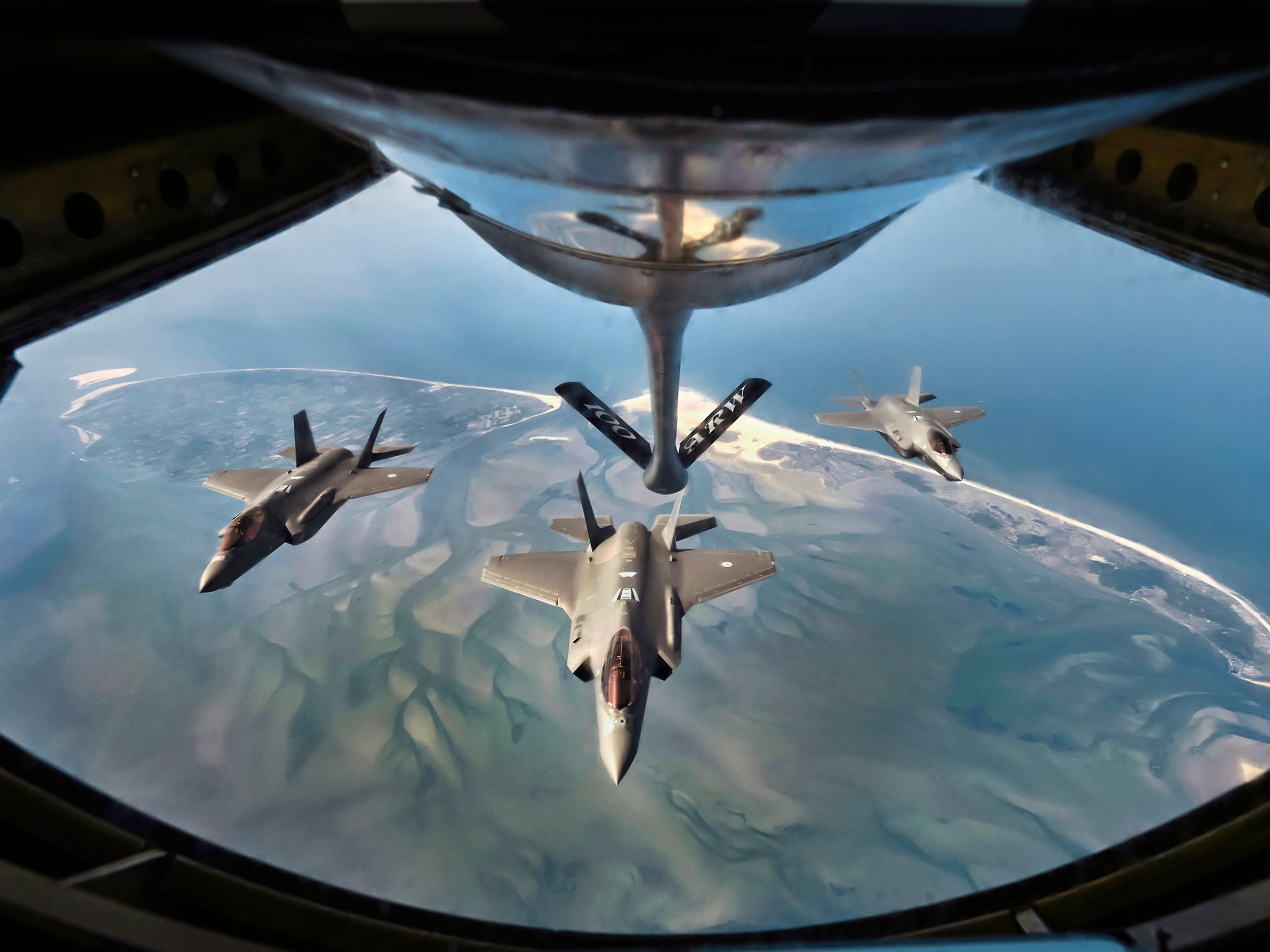
Rabat has also reportedly explored acquiring US-made F-35 stealth fighters, although no formal sale or confirmed order has been announced.
Morocco’s prospects of acquiring the F-35 have been linked to its defence ties with Israel following the 2020 Abraham Accords, as well as its status since 2004 as a major non-NATO US ally with expanded access to American equipment, training and cooperation.
Beyond fighter jets, Morocco expanded its US-supplied arsenal in 2023 with Washington’s approval of a $524.2 million package covering 18 M142 HIMARS launchers, 40 Army Tactical Missile Systems and 72 precision-guided GMLRS rockets.
The kingdom ordered 24 AH-64E Apache attack helicopters in 2020 under a $1.5 billion deal and confirmed the first deliveries in April 2026, with an option for 12 more.
According to The Defense Post, the package includes 551 Hellfire air-to-surface missiles, 200 AIM-92H Stinger air-to-air missiles and 558 Advanced Precision Kill Weapon System rocket kits.
Oil wealth and industrial strength fund the rivalry
Algeria’s oil and gas wealth gives it the financial capacity to sustain Africa’s largest military budget, with energy exports providing substantial government revenue and foreign currency.
Morocco, by contrast, lacks comparable hydrocarbon reserves but benefits from a more diversified economy spanning manufacturing, tourism, agriculture, financial services and fertiliser production.
The kingdom has also strengthened its mining sector through major investment in gold and copper exploration, including a 2026 tender covering 13,000 square kilometres.
Its main mineral advantage, however, remains phosphate, with Morocco holding most of the world’s known reserves and operating a major global fertiliser business through the state-controlled OCP Group.