Survey finds widespread dissatisfaction with tornado recovery
A year after a major tornado ripped through St. Louis, many residents say the city still looks — and feels — like the storm happened yesterday. For 10th Ward Committeewoman Yolanda “Yogi” Yancie, the memories remain vivid. “The sky looked like something I have never seen before,” Yancie recalled of May 16, 2025. What began […] The post Survey finds widespread dissatisfaction with tornado recovery appeared first on St. Louis American.
 Black News

A year after a major tornado ripped through St. Louis, many residents say the city still looks — and feels — like the storm happened yesterday.
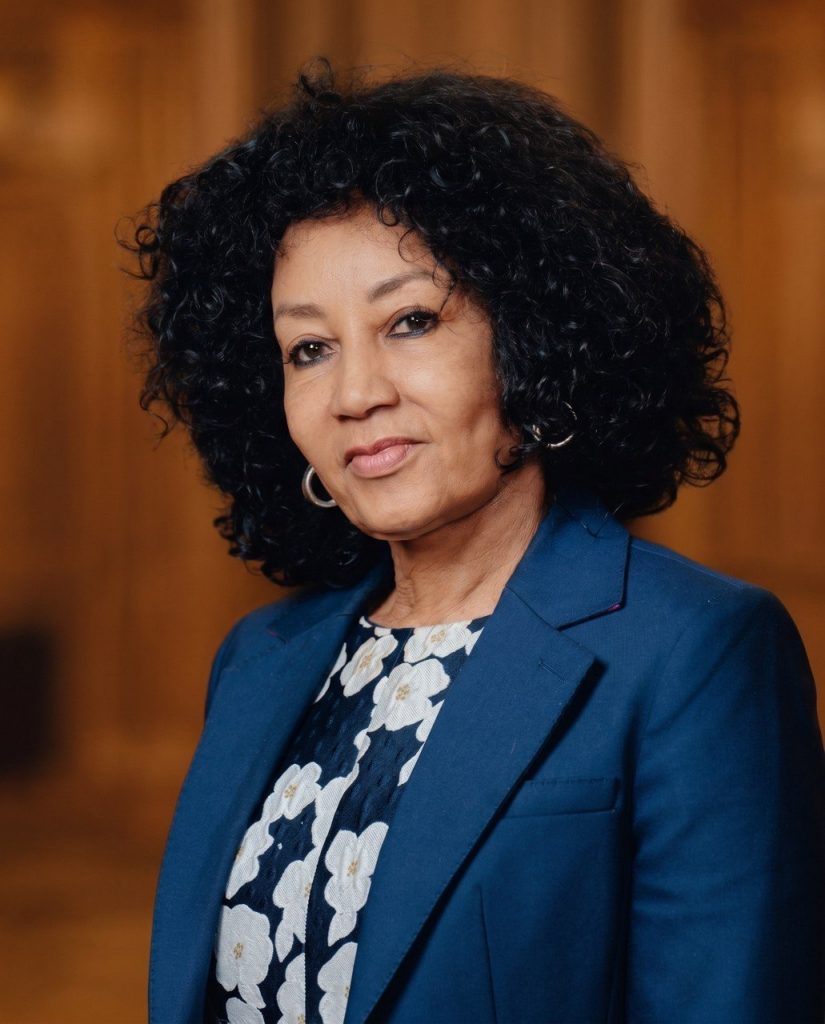
For 10th Ward Committeewoman Yolanda “Yogi” Yancie, the memories remain vivid.
“The sky looked like something I have never seen before,” Yancie recalled of May 16, 2025. What began as a sunny afternoon quickly turned into devastation as the tornado tore through North St. Louis neighborhoods, leaving damaged homes, uprooted trees and shattered lives in its wake.
“Life as we knew it changed for the worse,” she said.
Yancie’s experience mirrors frustrations revealed in a new Washington University iHeard STL survey. Conducted May 16-18 among 176 St. Louis city and county adults, the survey found widespread dissatisfaction with recovery efforts one year after the storm damaged more than 5,000 homes and buildings.
Residents gave local leaders an average satisfaction score of 3.6 out of 10 and federal leaders an even lower 2.9 out of 10. More than 8 in 10 respondents said recovery has taken longer than they expected.
The frustrations reflected in the survey have also surfaced publicly. During events marking the tornado’s one-year anniversary, residents and advocates rallied for additional recovery resources and investment in North St. Louis.
One year later, Yancie said she remains “boots on the ground,” helping residents navigate the recovery process. But many of the neighbors she knew before the storm are still gone.
“I miss my neighbors,” she said. “Many are displaced and haven’t returned to their homes.”
Yancie believes too many people continue to struggle behind closed doors.
“Many have not received the services they deserve,” she said. “Unfortunately, many are suffering in silence.”
The strongest theme in residents’ survey comments was a belief that more support is needed. Thirty-six percent of responses referenced the need for additional resources, financial assistance, mental health services or stronger leadership. Nearly 30% said people are still struggling to recover a year later, while 23% described the response as inadequate or shameful.
The frustrations reflected in the survey come as many residents continue to face recovery obstacles. According to the Missouri Department of Commerce and Insurance, roughly 73% of homeowners in some of the hardest-hit North St. Louis neighborhoods were uninsured before the storm, leaving many families dependent on aid, nonprofits and savings to rebuild. City officials have also said full-scale repairs for some tornado-damaged homes may not begin until 2027.
While the iHeard STL survey was not designed to measure mental health outcomes, researchers say prolonged disaster recovery can affect residents’ well-being.
Dr. Sandro Galea, dean of the School of Public Health at Washington University in St. Louis, said previous studies have found links between delayed recovery efforts and worsening mental health among disaster survivors.
“At least some studies find an association,” Galea said, pointing to research that found inadequate disaster recovery was associated with higher levels of PTSD and depressive symptoms.
The survey also revealed differences in satisfaction levels by race. African American respondents gave local leaders an average satisfaction score of 3.04, compared with 4.01 among White respondents. Satisfaction with federal leaders was similarly low among both groups.
Galea said the survey was intended to capture how residents were feeling one year after the tornado and ensure those concerns were heard.
“The poll seems to have struck a chord for many people,” Galea said. “Satisfaction with local and national leaders was quite low, and people wrote a lot about why they felt that way.”
For Yancie, recovery is about more than repairing roofs and replacing windows. She worries about preserving the fabric of neighborhoods that have existed for generations.
Her family has roots in Fountain Park stretching back decades, and she has watched outside investors attempt to buy damaged properties during the recovery process.
“We are holding strong onto our properties,” Yancie said. “We’re making sure that the community that we have, we deserve that right to choose where we want to live.”
Despite her advocacy, Yancie admits the recovery effort has come at a personal cost.
“I’ve been fussed at because I am behind the curve for myself,” she said. “I’ve been so focused on helping everyone around me.”
Still, she said she has no plans to slow down until residents feel secure again.
“I’m okay with putting myself last,” Yancie said, “as long as my community gets back to feeling safe, secure and thriving.”
The post Survey finds widespread dissatisfaction with tornado recovery appeared first on St. Louis American.