A Refusal to Be Unmade: The Garifuna Story of Survival and Return

The Garifuna of Central America inherited one of the most extraordinary journeys in the African diaspora, a story of war, exile, and survival written across two ocean crossings. On the Caribbean coast of Honduras and in the town of Trujillo, the punta rhythm starts before dawn. Punta, a dance of hips and earth and ancestral […]

A Refusal to Be Unmade: The Garifuna Story of Survival and Return

A Refusal to Be Unmade: The Garifuna Story of Survival and Return

The Garifuna of Central America inherited one of the most extraordinary journeys in the African diaspora, a story of war, exile, and survival written across two ocean crossings.

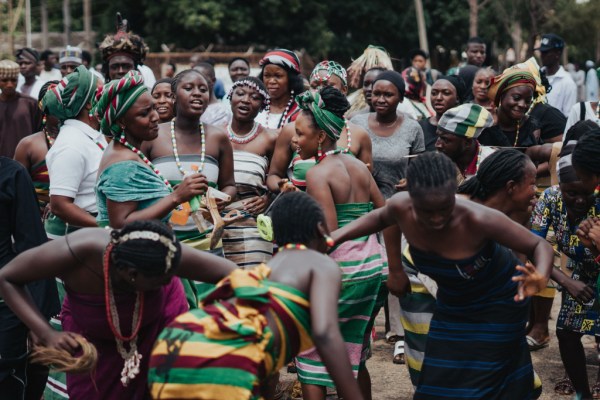
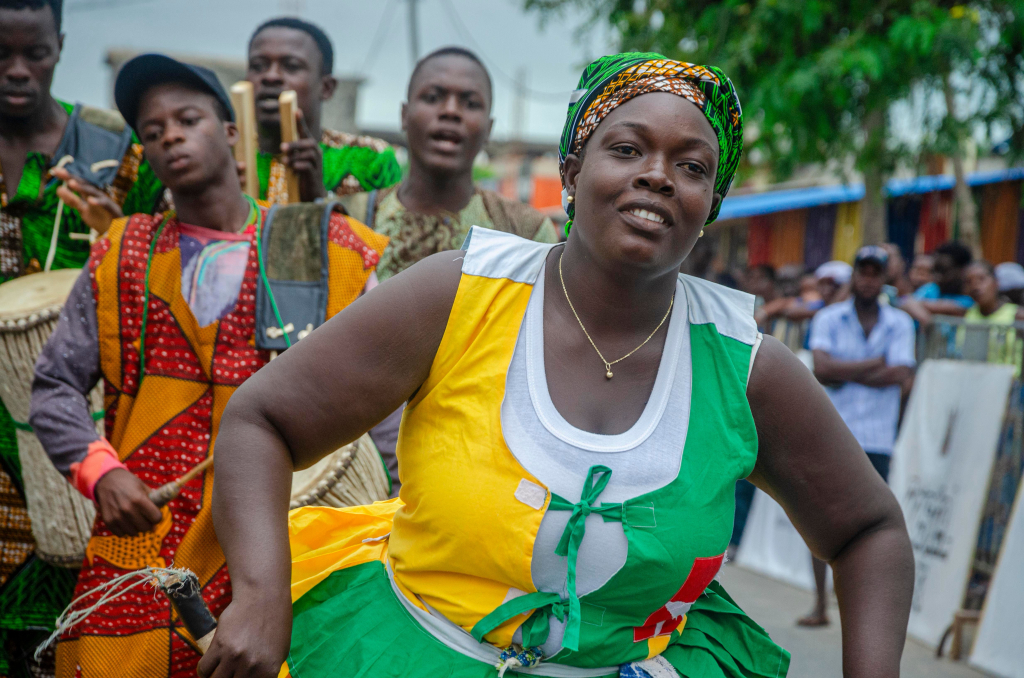
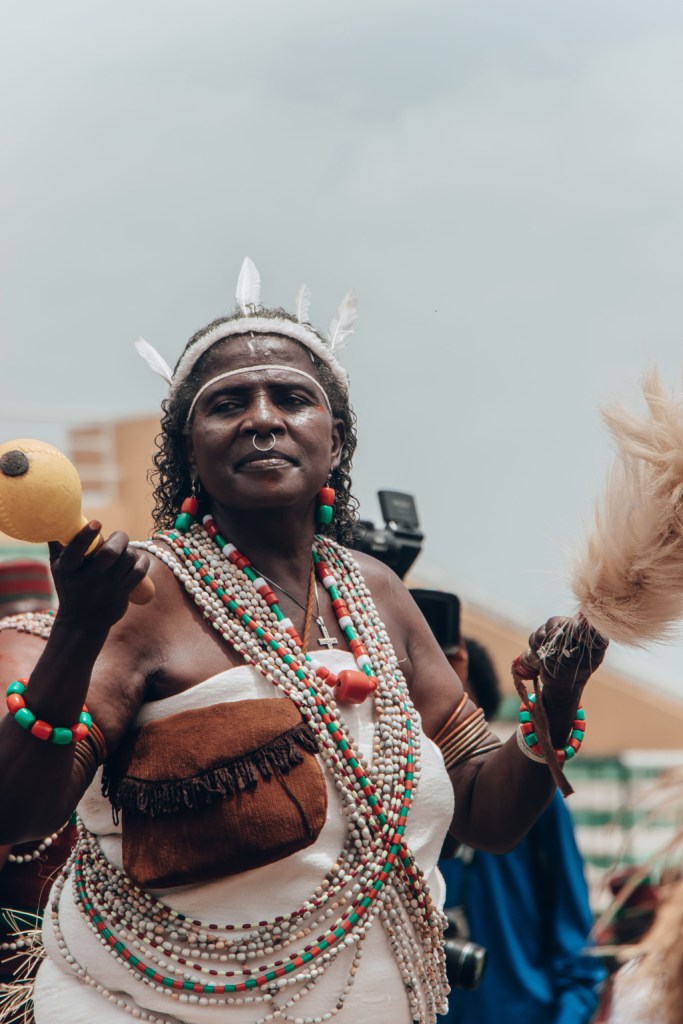
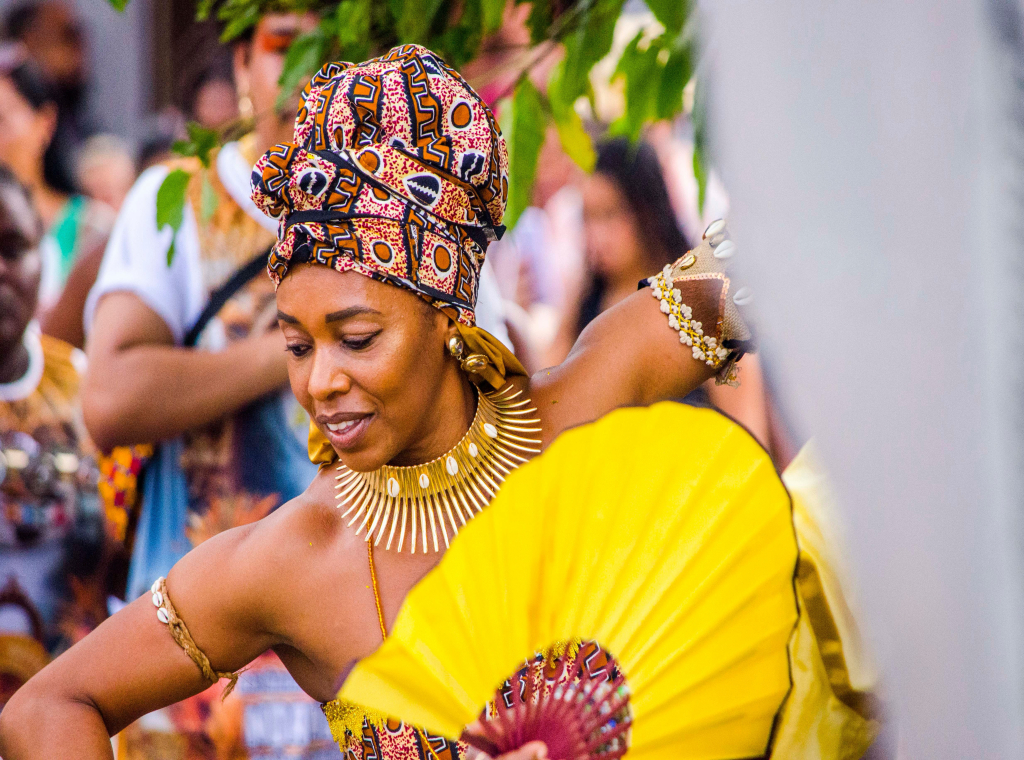
On the Caribbean coast of Honduras and in the town of Trujillo, the punta rhythm starts before dawn. Punta, a dance of hips and earth and ancestral address, isn’t performed for tourists but rather the dead, the living, and the enduring continuity between both. The dancers know where the rhythm comes from, familiar with its African roots, Arawakan re-shaping, and centuries of Caribbean transformation. They carry all of it consciously in how they move their bodies.

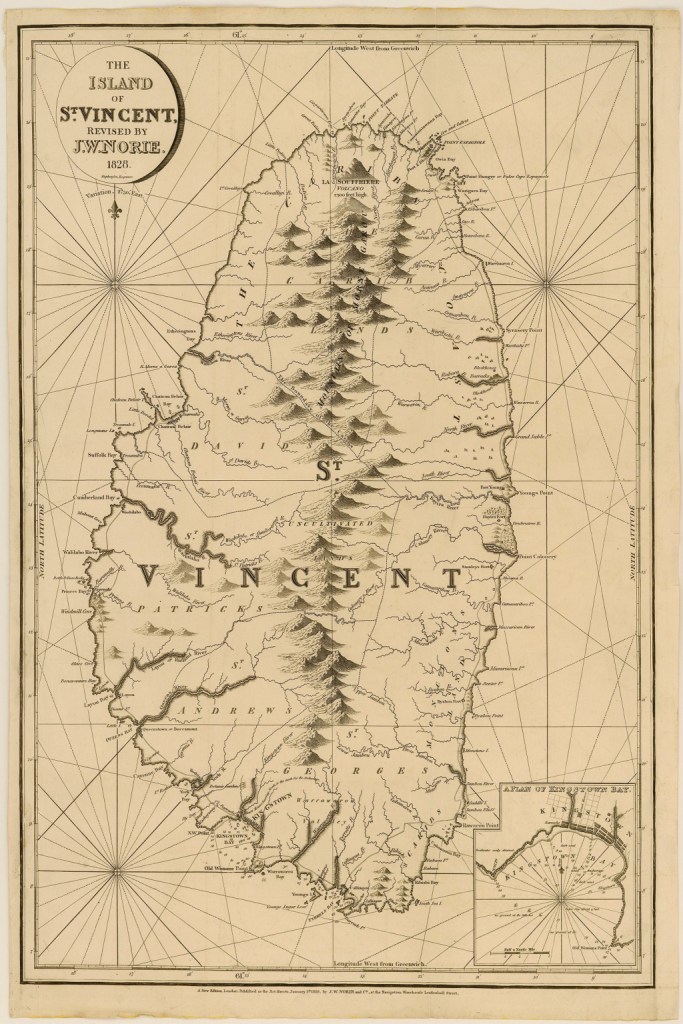
The Garifuna are an Afro-Indigenous people whose origins lie in a collision of worlds: the Kalinago people of St Vincent and the West African survivors of shipwrecks and escapees who reached the island from the 17th century onward. Over generations, these communities merged – genetically, linguistically, and culturally – into a people neither wholly African nor wholly Indigenous but something luminous and entirely new. Their language, Garifuna, is structurally Arawakan with deep West African lexical and phonological influence. Their music, food, and spiritual practices, meanwhile, carry both inheritances simultaneously without apology nor confusion.

In 1797 and having defeated the Garifuna in the Second Carib War, the British colonial government forcibly exiled approximately 2,500 survivors from St Vincent to the island of Roatán off the coast of Honduras. Hundreds died during the crossing. Those who did survive spread along the Central American coast into Honduras, Guatemala, Belize, and Nicaragua and built new communities from the wreckage of forced removal. This second crossing, following the Middle Passage that had brought their African ancestors to the Caribbean, became central to Garifuna identity: a second exile, second survival, and second root pressed into hostile ground.

The Garifuna have since spread further still with large communities in New York, Los Angeles, and London, each migration adding a new layer to an identity already deeply rich. In the Bronx, for example, you can attend a dügü: a multi-day ancestral ceremony calling for the physical presence of family members from across the diaspora and seeing relatives flying in from Belize, Honduras, and England to complete the rite. The ceremony, which cannot be performed by fewer than a community, is in itself a living map of where these people have gone and what they refuse to leave behind.

The candombe – a drumming tradition of Bantu origin, shared with Uruguay and brought to the Río de la Plata region by enslaved Congolese and Angolan people – never truly disappeared from Argentine cultural life. The practice was often attributed to Uruguayan influence, a convenient fiction that avoided acknowledging its Argentine-African roots. Today, Buenos Aires hosts candombe groups and street processions explicitly reclaiming the form as Afro-Argentine heritage, drumming in public squares as a deliberate act of cultural restoration.

UNESCO declared the Garifuna language, dance, and music a Masterpiece of the Oral and Intangible Heritage of Humanity in 2001. The declaration recognised something Garifuna communities already knew: language here is not merely communication. It’s a vessel. The Garifuna tongue encodes kinship systems, ecological knowledge, spiritual practice, and historical memory with no equivalent translation. To speak Garifuna is to inhabit a particular way of being in the world, one surviving enslavement, war, exile, and a second displacement, and emerged still speaking.

Today, Garifuna language preservation is both a political and cultural priority. Schools in Honduras and Belize now teach the language formally for the first time in generations. Young Garifuna musicians set contemporary productions to traditional drumming patterns just as filmmakers document the ceremonies and stories that might otherwise dissolve into silence.

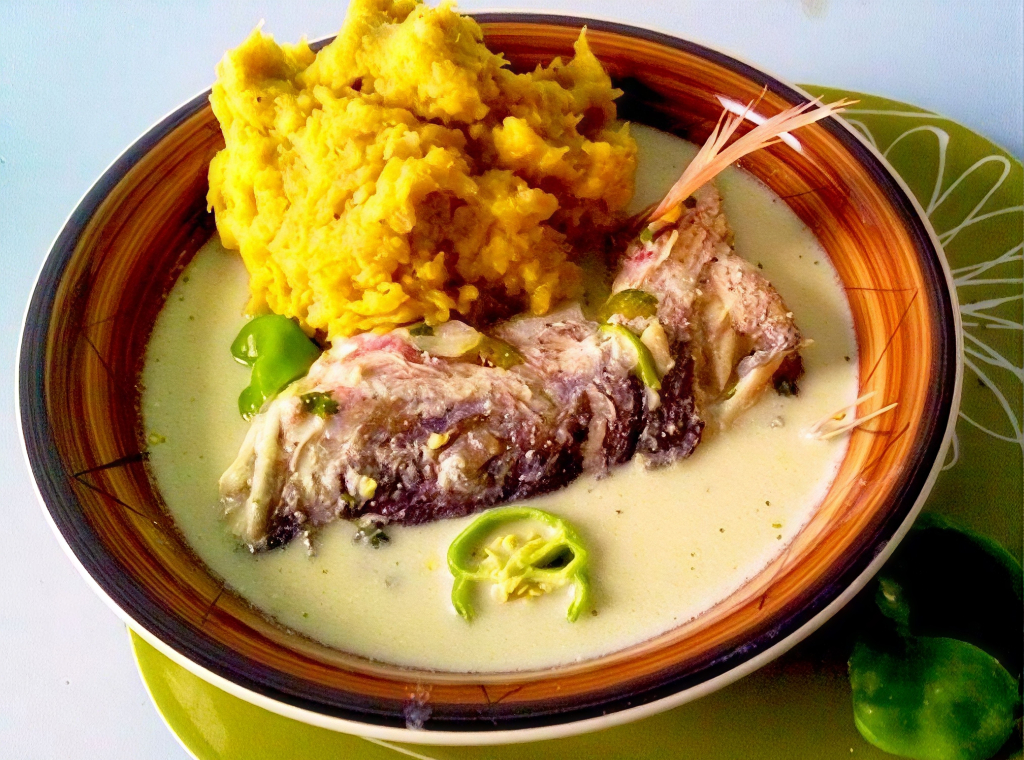
The Garifuna story is, at its core, a meditation on what endures when everything is taken. Land was seized. Language was threatened. People were moved by force across two oceans. Still, the punta and dügü persist. So too does the specific way of cooking hudut, fish simmered in coconut broth that connects a family in the Bronx to a coastline in Honduras to a people who built themselves entirely from survival.

The continuum here is not a metaphor. It is practice, discipline, and a refusal to be unmade.

“The continuum, here, is not a metaphor. It is practice. It is discipline. It is a refusal, quiet and absolute, to be unmade.”

Image citations:

pexels Ogonna Sylvester Ogbu | pexels Vinicius Silva | pexels Anchau | pexels Oswald Yaw El-Saboath | pexels Visuals event Olympus | P.C: pexels safari consoler | pexels Becky Awo | pexels my learing | pexels Marcio Skull. | THE BELIZE HUB | pexels Mukhtar Shuaib Mukhtar | pexels Aztec Produtora