African Multilateralism from a Vision to a Reality: Lessons from the Most Hostile Continent on Earth
For twenty years I have worked strengthening African governance and multilateral institutions. Across each sector – security, economic development, education reform and humanitarian aid – I heard inspiring politicians agree to ambitious international cooperation to tackle regional problems. Yet that solidarity was, more often than not, lost in poor follow-through action. International cooperation on the continent can feel rousing at first and then disappointing when it comes time to take action. The Struggle to Deliver Lofty Ambitions Indeed, any review of major multilateral initiatives for the continent reveals that African nations articulate the boldest visions of multilateralism in the world […] The post African Multilateralism from a Vision to a Reality: Lessons from the Most Hostile Continent on Earth appeared first on African Arguments.
 Black News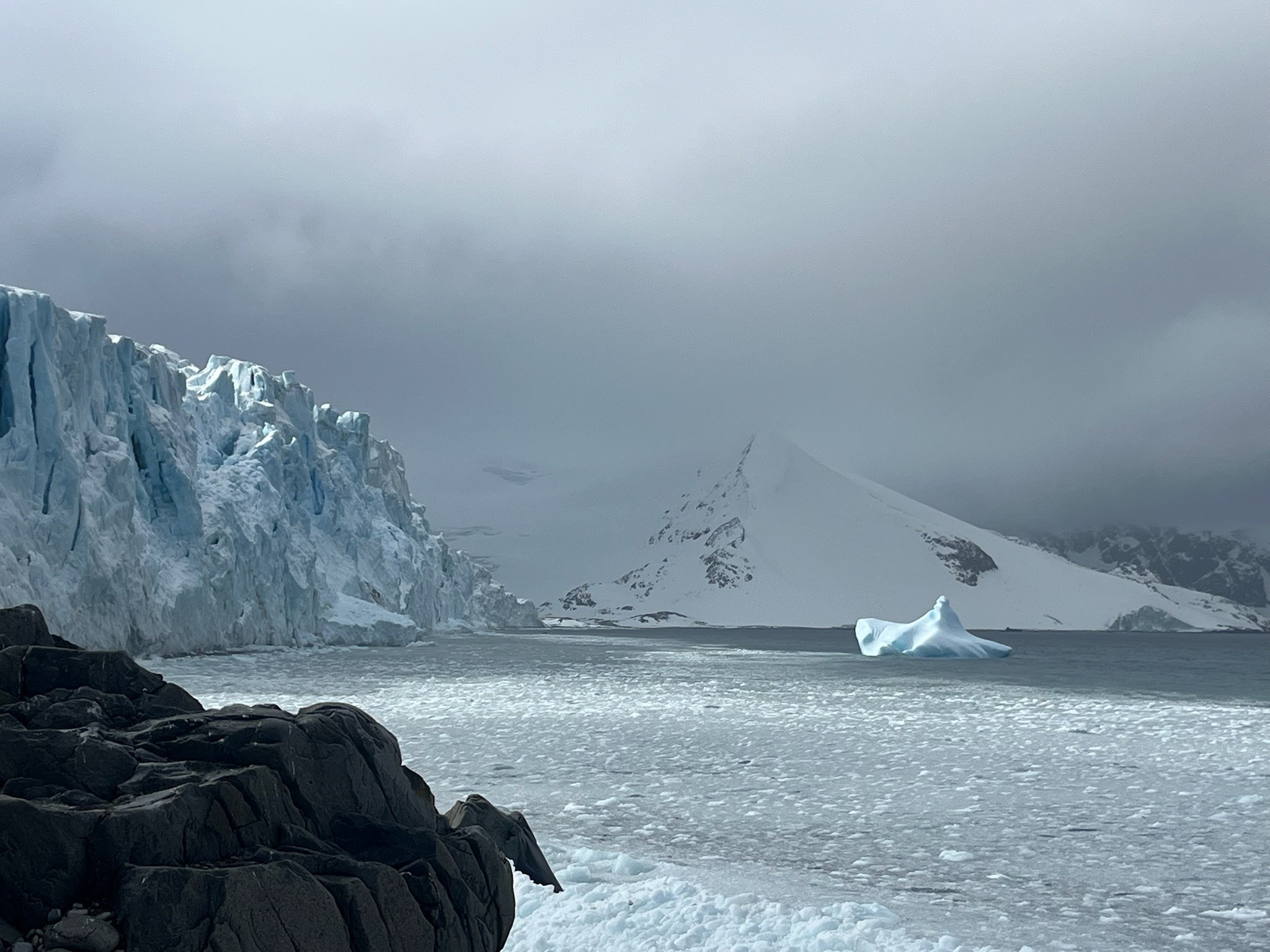
For twenty years I have worked strengthening African governance and multilateral institutions. Across each sector – security, economic development, education reform and humanitarian aid – I heard inspiring politicians agree to ambitious international cooperation to tackle regional problems. Yet that solidarity was, more often than not, lost in poor follow-through action. International cooperation on the continent can feel rousing at first and then disappointing when it comes time to take action.
The Struggle to Deliver Lofty Ambitions
Indeed, any review of major multilateral initiatives for the continent reveals that African nations articulate the boldest visions of multilateralism in the world but frequently fail to operationalise them. For over three decades, the continent’s leaders have affirmed ‘African solutions to African problems’. There are good examples of this working successfully. Think no farther than the African Union-backed mediation efforts following Kenya’s 2008 election crisis or the African Vaccine Acquisition Trust which pooled continental vaccine procurement during the COVID-19 pandemic.
Yet for each example of success, there are more instances of shortfall. Peacekeeping via the African Union has been a priority for the continent since before the turn of the century. Extensive diplomatic effort has gone into the African Standby Force (ASF) to deliver this vision. However, international security initiatives continue to rely on foreign financing and ad hoc coalitions.
Even where cooperative frameworks do exist, execution on the ground can be underwhelming. The African Continental Free Trade Area (AfCFTA) demonstrates this. Economic integration through the AfCFTA has been a point of impressive political consensus yet remains limited in actual implementation. Many import tariffs and bureaucratic barriers are still in place despite all African countries – bar Eritrea – signing up to the continent-wide free trade deal nearly a decade ago.
This isn’t limited to economics. In climate change fora, African nations’ positions are surprisingly aligned, especially when you consider how large and diverse this group of countries is. However, once delivery of an international agreement kicks off, cooperation often falls far short of what was promised. Inconsistent cross-border data sharing for drought and flood early-warning systems is a case in point.
We need to do more to make multilateralism work on the ground, moving the rhetoric to a reality. But is there anywhere we can look to for a model of functioning multilateralism? The answer lies in a place you would least expect.
Antarctica: The Model of Effective International Cooperation

The Expanse of the Antarctic Continent with Penguins Nesting for the Austral Summer (author’s photo).
There is one place where national rivals do work together — consistently and pragmatically. It is not a parliament or a palace, but the coldest place on Earth. In December 2025, I joined an expedition to Antarctica to explore the planet’s most durable model of multilateral governance and to consider what its quiet successes suggest for international cooperation in Africa and beyond.
The seventh continent is the most hostile to life on the planet. Temperatures can drop so low that fuel freezes, metal shatters and bodies die in minutes. Surviving in this environment requires incredible teamwork both as individuals and as nations.
‘It’s so harsh here, you have to work together to survive,’ says Bingbing Jiang, a Chinese linguist who has led multinational expeditions to the polar south for seven years. ‘If you don’t, you can die.’
The results of this cooperation are remarkable: an entire continent free of military activity, geopolitical rivals sharing logistical capabilities to cut through the ice and resupply each other, scientific data open to everyone regardless of nationality and extensive environmental protection protocols adhered to by all.
This success is built on structured collaboration. The Antarctic Treaty System, launched in 1959 and expanded in scope since then, governs the continent and its fifty-eight country signatories. It bans armies, suspends colonial-era territorial claims, prohibits oil and mineral extraction and devotes the continent ‘to peace and science’. Decisions are made by consensus, effectively giving veto-power to any operationally involved nation. The system, extraordinarily, has no central enforcement authority and countries comply through routine cooperation, self-restraint and mutual inspections that shed light on each other’s activities. Furthermore, Africa is already part of this international cooperation success story. South Africa was a founding nation of the original treaty and therefore a designer of this functioning model of global governance
The success of the Antarctic system has powerful lessons for multilateral cooperation in Africa and elsewhere. It proves that a large group of diverse nations can work together without ruthless competition or bureaucratic deficit. It challenges the view that international relations must be zero-sum and demonstrates how focusing on operational execution increases the odds of multilateral success.
Lessons for Making Multilateralism Work in Africa
With so many countries on the continent peacefully working together to pursue research, disclosing their discoveries and supporting each other’s survival, it is easy to see Antarctica as a utopia. It is not. The system works because it is dull and collaboration routine. It ensures that countries cooperate at a working – not just political – level. There are four operational lessons for African governance to ensure the continent’s inspiring international ambitions are matched by operational reality on the ground.
1) Deliberate interdependence
Maintaining a presence on the continent is expensive, risky and complicated. Severe winds can shift in an instant; snowstorms go on for weeks and temperatures can drop dramatically in a few minutes. To manage this, countries often support each other’s teams. An American runway is used by foreign planes for emergency supplies to their stations. Chinese and Australians conduct joint search and rescue operations. This designed interdependence reinforces trust and a culture of teamwork.
‘I have a Ukrainian first officer I must rely on every day. We avoid the politics of our countries and focus on getting this vessel safely to Antarctica,’ says Captain Vassily Nedbailov of Russia. Embedding collaboration into daily operations, rather than relying solely on political commitment, is a lesson Africa could apply to its regional initiatives such as cross-border emergency responses where even routine coordination and data sharing is rare.
2) Focus on narrow, technical rules
Antarctic governance concentrates on technocratic matters such as safety or environmental protection procedures. These are dull, detailed and agreed by all. This also leaves less opportunity for vetoes or attention-grabbing grandstanding. The drawn-out, technical process of agreeing rules does not lend itself to politicisation, which can undermine ultimate implementation. This powerful lesson in governance is the primary reason Antarctic collaboration works so well. Its absence in other parts of the world, such as in Africa, is often why implementation of international agreements disappoint. For instance, African health cooperation often relies on broad political commitments, while technical standards for data sharing and emergency response remain nationally controlled, allowing coordination to stall.
3) Mandate transparency from each nation
Built into many of the Antarctic protocols are requirements for countries to share activity data. This information can be accessed by all and provides a basis for trust through disclosure. Crucially, this is mandatory and automatic. In contrast, information sharing in many African governance frameworks is voluntary and unstructured. Mandated data disclosure flattens the playing field, brings transparency to operations and builds a basis for mutual inspections that verify compliance.
4) Verify compliance
Compliance with rules is ensured by a mutual inspection process. These protocols allow for any nation to inspect the activities of another on the continent. With over fifty conducted so far, inspections put all countries at the same level, regardless of size or competition elsewhere in the world. They are often conducted multilaterally. For instance, the US and Russia jointly inspected Indian, Chinese, Japanese, Belgian and Norwegian research stations in 2012. These inspections are apolitical, technically focused and routine, ensuring all countries are held to the same standard. Unlike Antarctica’s routine mutual inspections, Africa’s peer review processes are voluntary and episodic, making scrutiny the exception rather than a normal feature of governance.
Conclusion: A Reason for Optimism
First arrival into Antarctica with icy rain clearing to sunshine (author’s photo).
Africa is the warmest continent with over 1.5 billion people, spanning vast demographic and geographic diversity. Icy Antarctica, by contrast, has no permanent population and the most uniform landscape on the planet. It is hard to imagine two more different places in the world. However, the international governance approach of the coldest continent offers exciting clues as to how Africa can deliver its world-leading ambitions for regional collaboration.
Moreover, Africa has not been absent from Antarctic governance. It helped write the rules. South Africa, as an original member nation of the Antarctic Treaty, has been operationally present on the continent for over six decades. It is well positioned to take lessons to Africa from the effective multilateral model we see at the South Pole.
Having experience on both continents, it is clear that Antarctica’s success in international cooperation hints that it is not the rhetoric of leaders or their solidarity at summits that make cross-national teamwork effective. Multilateralism works when it is boring, technical and reinforced through routine. Antarctica’s model offers great reason to be optimistic about the future of international cooperation across Africa.
The post African Multilateralism from a Vision to a Reality: Lessons from the Most Hostile Continent on Earth appeared first on African Arguments.