Africa’s gold giants set for windfall as bullion overtakes U.S. Treasuries in global reserves
Africa's leading gold-producing nations could be among the biggest beneficiaries of a historic shift in global reserve management after gold surpassed U.S. government bonds as a preferred reserve asset for central banks.
 Black News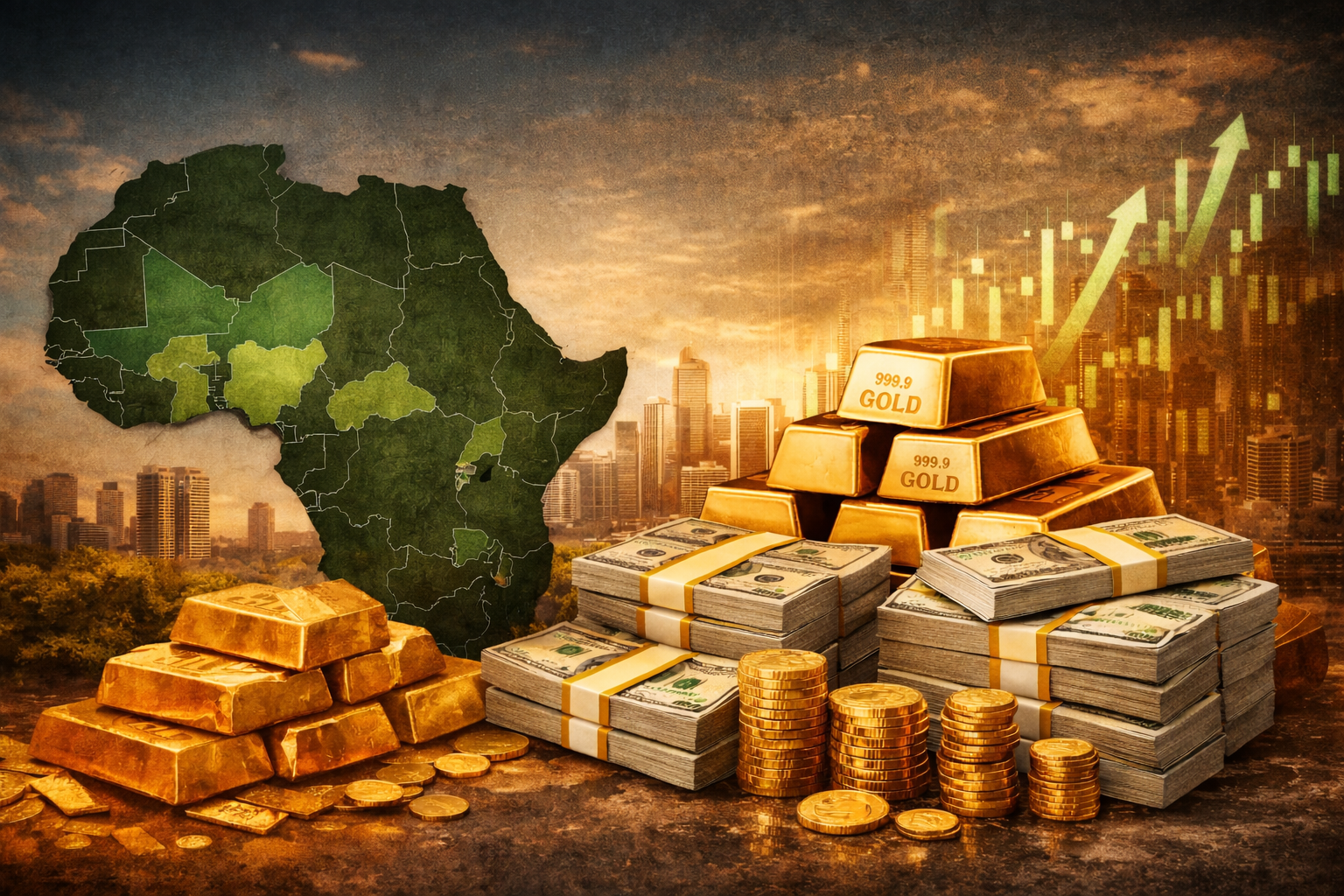

Africa's leading gold-producing nations could be among the biggest beneficiaries of a historic shift in global reserve management after gold surpassed U.S. government bonds as a preferred reserve asset for central banks.
- Gold has overtaken U.S. Treasuries as the preferred reserve asset for global central banks, now making up 27% of reserves.
- African gold-producing nations like Ghana, South Africa, Mali, Burkina Faso, and Tanzania stand to benefit significantly from this trend.
- The surge in gold prices and demand could boost government revenues, export earnings, and investment in mining projects across Africa.
- African governments are increasingly purchasing domestically mined gold for reserves to strengthen monetary stability and reduce reliance on foreign currencies.
According to a recent European Central Bank (ECB) report cited by the Financial Times, gold accounted for 27% of global central bank reserve assets at the end of 2025, up from 20% a year earlier.
By comparison, U.S. Treasuries fell to 22%, highlighting a growing move by countries to diversify away from dollar-based assets.
DON'T MISS THIS: Why a $4 billion deal in Africa’s third-largest gold producing nation is facing pushback from China
The trend has been fueled by sustained central bank buying and a sharp rise in gold prices, which have nearly doubled over the past two years. Bullion climbed to a record high above $5,500 per ounce in January, driven by geopolitical tensions and concerns over the weaponization of reserve currencies.
For Africa's gold giants, including Ghana, South Africa, Mali, Burkina Faso, and Tanzania, the shift presents a major economic opportunity.
Gold remains the largest export commodity for several African economies, with revenues from the precious metal playing a crucial role in government finances, foreign exchange earnings, and economic growth.
DON'T MISS THIS: Africa's top gold producer's output hits historic 6 million ounces
Higher prices, bigger revenues
Many African economies depend heavily on gold exports as a source of foreign exchange and government revenue. In Ghana, Africa's largest gold producer, gold remains the country's leading export, generating billions of dollars annually.
Mali and Burkina Faso also rely heavily on gold sales to support public finances and economic growth.
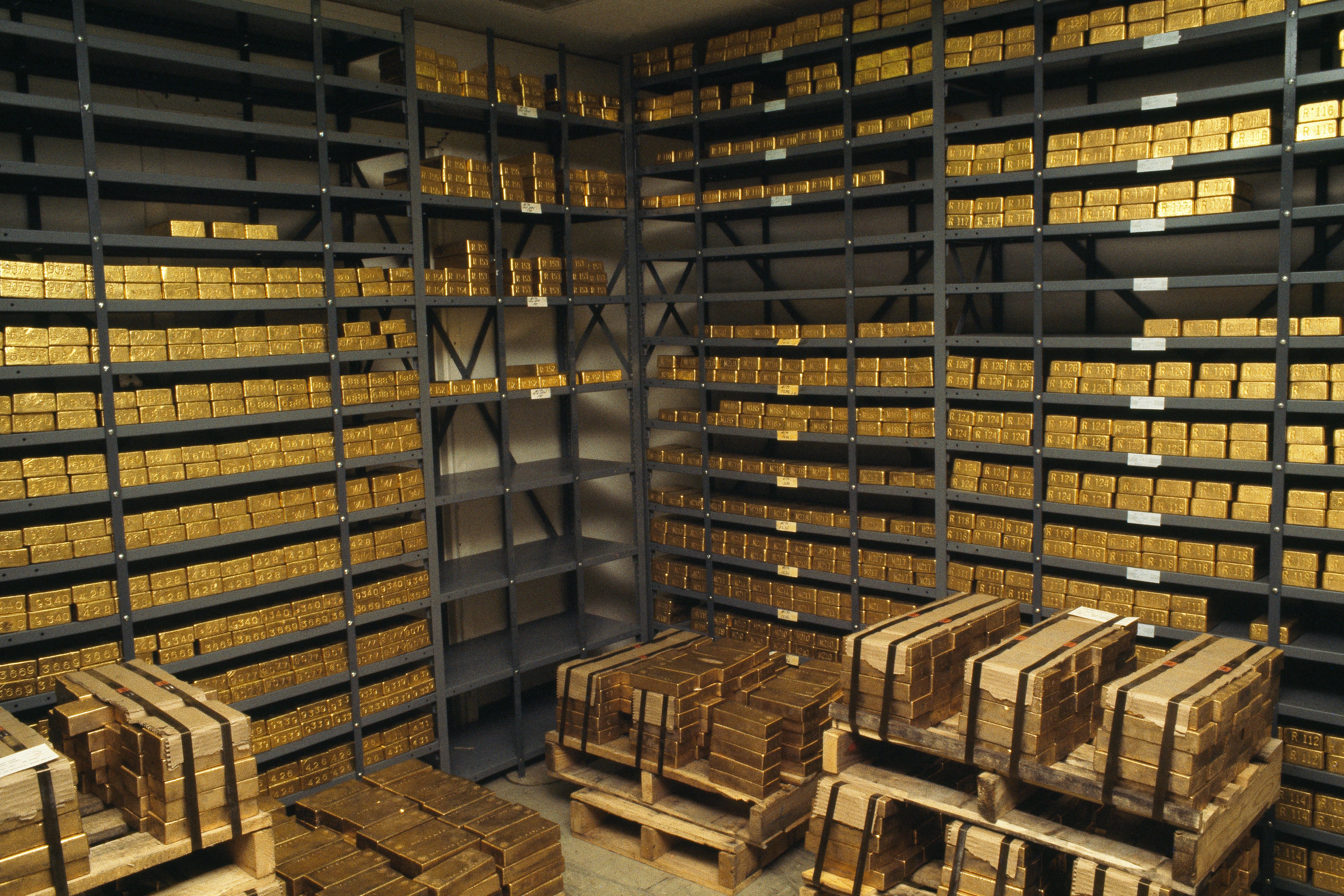
Higher prices could boost royalty collections, corporate tax revenues, and export earnings, giving governments more fiscal room to fund infrastructure and social programs while strengthening foreign exchange reserves.
The surge in demand may also encourage fresh investment in African mining projects. Rising prices improve the economics of exploration and mine development, potentially unlocking previously unprofitable deposits across the continent.
Strategic value rises
The growing role of gold in central bank reserves could also elevate the strategic importance of African producers in the global financial system.
Several African countries have already launched initiatives to purchase domestically mined gold for their own reserves, seeking to reduce reliance on foreign currencies and strengthen monetary stability. The global shift toward bullion may accelerate such efforts.
DON'T MISS THIS: Africa’s gold hub shifts to Zimbabwe as 2026 output booms
However, analysts caution that the boom carries risks. Heavy dependence on commodity exports can expose economies to future price swings, while higher prices may fuel illegal mining activities and intensify competition over resource control.
Still, with central banks continuing to accumulate bullion and gold increasingly viewed as a hedge against geopolitical uncertainty, Africa's gold-rich nations appear well positioned to capitalize on one of the most significant shifts in reserve management in decades.