Africa's gold powerhouse strengthens its economic comeback with early $700 million Eurobond repayment
Africa's leading gold producer, Ghana, has taken another step in its economic recovery after fully settling a $700 million Eurobond obligation ahead of schedule, reinforcing investor confidence as the country continues rebuilding from its 2022 debt crisis.
 Black News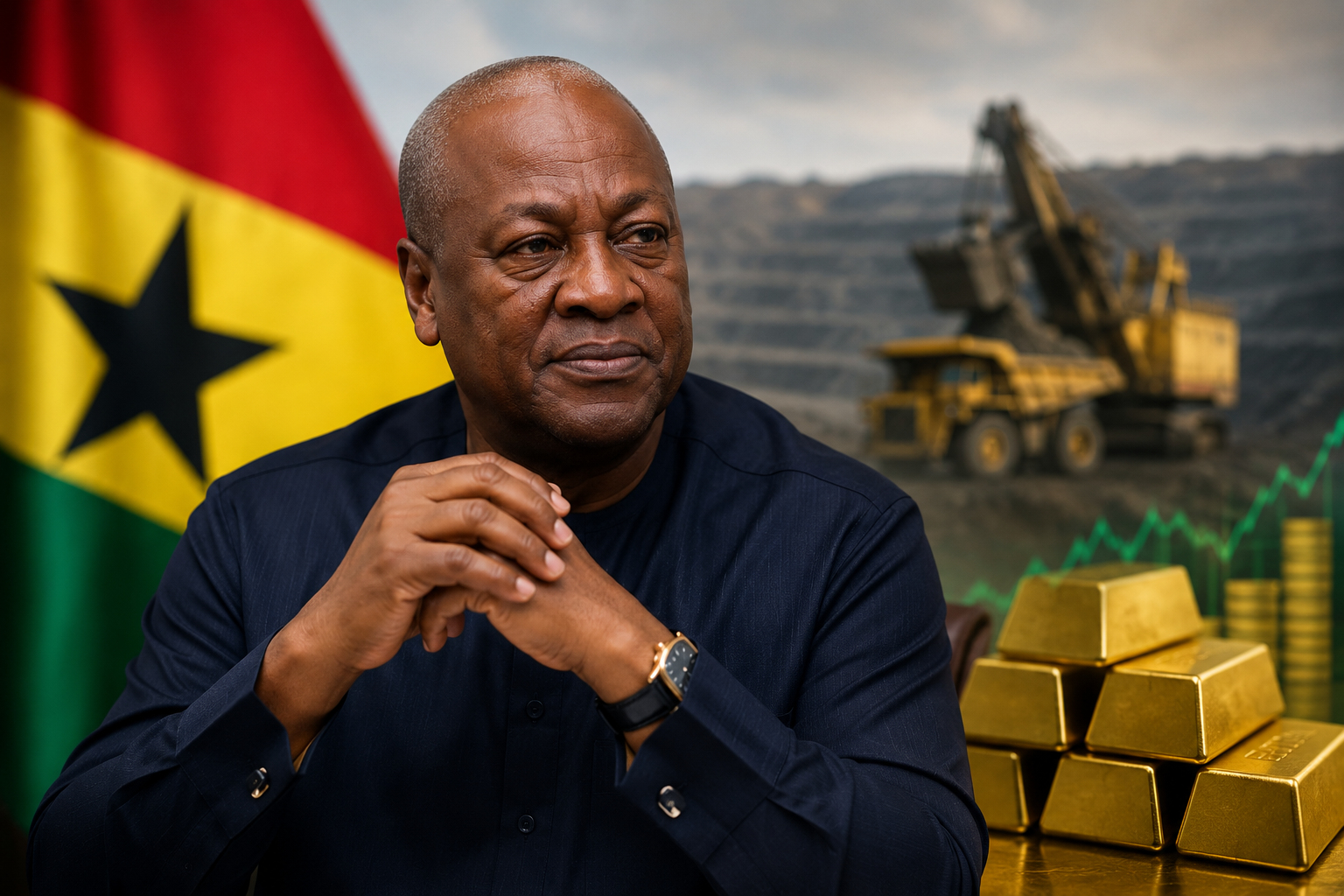

Africa's leading gold producer, Ghana, has taken another step in its economic recovery after fully settling a $700 million Eurobond obligation ahead of schedule, reinforcing investor confidence as the country continues rebuilding from its 2022 debt crisis.
- Ghana has fully settled a $700 million Eurobond ahead of schedule, marking progress in its economic recovery.
- This payment is part of Ghana's Eurobond Debt Exchange Programme, totaling $2.1 billion in repayments since January 2025.
- The transaction was financed without depleting foreign exchange reserves.
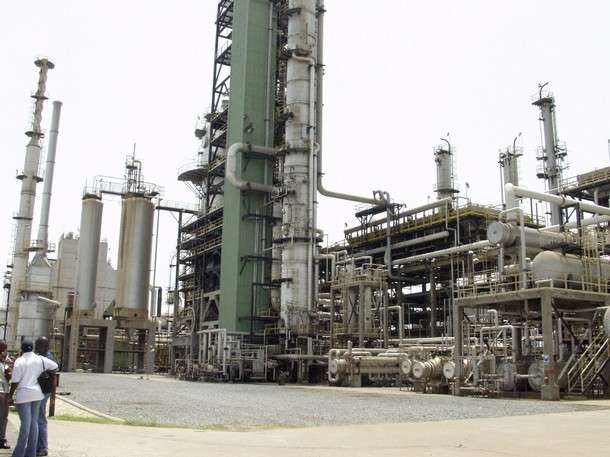
- Economic indicators in Ghana have recently improved, including stable inflation, a strengthening cedi, and the first profit in years by the state-owned Tema Oil Refinery.
According to a statement issued by Ghana's Ministry of Finance, the payment, completed on July 2, comprised $525.2 million in principal and $174.8 million in interest, bringing Ghana's total repayments to Eurobond holders to $2.1 billion since January 2025 under its Eurobond Debt Exchange Programme.
The latest settlement marks another milestone in Ghana's recovery from one of Africa's worst sovereign debt crises, with total payments to Eurobond holders now reaching $2.1 billion since the programme began in January 2025
DON'T MISS THIS: Ghana wants an investment-grade rating by 2029, just years after its historic debt default
The ministry said the payment was made through the government's planned financing arrangements without placing undue pressure on the country's foreign exchange reserves, highlighting improving fiscal management and stronger macroeconomic stability.
A signal that Ghana's recovery is gaining momentum
The repayment comes at a time when Ghana is steadily rebuilding its economy after defaulting on most of its external debt in 2022, a crisis triggered by rising debt levels, soaring borrowing costs and a weakening cedi.
Following support from the International Monetary Fund and a comprehensive debt restructuring programme, Ghana reached an agreement with Eurobond holders in 2024 to restructure about $13 billion in external commercial debt, paving the way for more sustainable repayments.
Since then, the government has prioritised fiscal discipline, inflation control and debt servicing to restore confidence among international investors.
Paying a major Eurobond obligation ahead of schedule sends a strong signal that Ghana is regaining financial credibility. It further demonstrates the government's ability to meet external obligations while preserving foreign exchange reserves - an important indicator closely watched by global investors, credit rating agencies and multilateral lenders.
The development also complements a series of positive economic indicators recorded in recent months.
Ghana's state-owned Tema Oil Refinery recently reported its first profit in nine years, inflation has continued to moderate, and the cedi has shown greater stability compared with the volatility seen during the height of the debt crisis.
Building the foundations for long-term growth
Although Ghana is not expected to return to international bond markets immediately, consistently honouring its restructured debt commitments is expected to improve its sovereign credit profile and gradually lower future borrowing costs.
DON'T MISS THIS: Ghana records over $3 billion in exports as cocoa processing drives industrial shift
For one of West Africa's largest economies, restoring access to affordable international financing is critical to sustaining investment, supporting infrastructure development and accelerating private sector growth.
The latest repayment therefore represents more than routine debt servicing. It reinforces Ghana's commitment to prudent economic management and strengthens its case as one of Africa's most closely watched economic recovery stories.
As the country continues implementing reforms under its IMF-supported programme, maintaining fiscal discipline and meeting future debt obligations will be key to translating financial stability into stronger economic growth and reclaiming its place among Africa's leading economies.