Anegada Might Be the Best Caribbean Island You’ve Never Visited, With Empty White-Sand Beaches, Infinite Lobster, and a Bucket-List Feel
Flat, far-flung and almost impossibly empty, this is the British Virgin Islands outpost that turns first-time visitors into lifelong obsessives. The boat is still cutting across the channel, the other islands shrinking behind you, and the horizon ahead refuses to rise. Everywhere else in the British Virgin Islands punches up out of the sea in […] The post Anegada Might Be the Best Caribbean Island You’ve Never Visited, With Empty White-Sand Beaches, Infinite Lobster, and a Bucket-List Feel appeared first on Caribbean Journal.
 Black News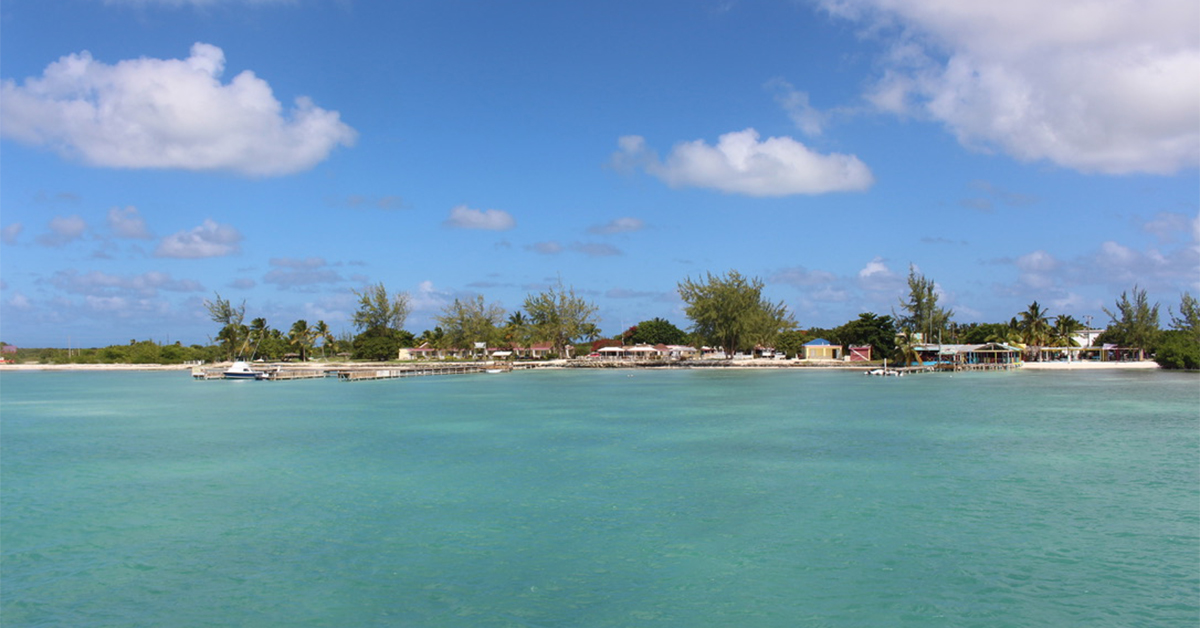
Flat, far-flung and almost impossibly empty, this is the British Virgin Islands outpost that turns first-time visitors into lifelong obsessives.
The boat is still cutting across the channel, the other islands shrinking behind you, and the horizon ahead refuses to rise. Everywhere else in the British Virgin Islands punches up out of the sea in green, dramatic peaks, but this one lies down flat, a thin pencil line between the blue of the water and the blue of the sky.
That low, barely-there silhouette is the first thing that tells you Anegada is different.
It is the only coral atoll in a chain of volcanic islands, the geological odd one out, and its name comes from the Spanish for “drowned land.” The highest point barely clears 28 feet, which is why sailors gave it such a wide and nervous berth for centuries.
What that flatness creates, though, is something close to magic. The reefs ring the island in impossibly shallow, impossibly clear water, and the beaches run for miles without a single building in sight.
This is the Caribbean island you have probably heard whispered about and never quite gotten around to visiting. And once you do, you tend to spend the rest of your life trying to get back.
Let’s talk about why.
The beaches are the obvious place to start, because they are some of the most spectacular in the entire Caribbean, and you will very likely have them almost entirely to yourself. We are talking about wide ribbons of powder-soft sand backed by sea grape and scrub, fronted by water so pale it looks like it has been bleached by the sun.
Loblolly Bay is the headline act, a long curve of sand on the north shore where the reef sits close enough to wade out to with a snorkel and a sense of adventure. Drop your face in the water and you are suddenly surrounded by parrotfish, rays and the occasional reef shark drifting along the coral wall.
Then there is Cow Wreck Beach, and honestly, this might be the one that does you in.
Named for the cow bones that washed ashore from a long-ago shipwreck, it is the kind of place that feels almost invented. The sand is blinding white, the water shades from clear to electric turquoise, and there is a single, joyful beach bar where the rum punch is strong and the welcome is genuine.
You can spend an entire day at Cow Wreck Beach and watch maybe a dozen people come and go. That is not an exaggeration, and it is exactly the point.
Keep moving around the coastline and you find Flash of Beauty out near the eastern tip, another stretch of sand-and-snorkel perfection with a tiny bar attached. The reef here is some of the best on the island, alive with color and almost completely undisturbed.
The thing about all of these beaches is the silence. There is no thumping music, no jet skis, no vendors working the sand, just the wind in the sea grape and the low rush of the reef.
You start to understand that emptiness is the whole product here. Anegada is not selling you a scene; it is selling you the absence of one.
And then, of course, there is the lobster.
If you ask anyone who has been about this Caribbean island, the conversation gets to the Anegada lobster within about ninety seconds. The spiny Caribbean lobster thrives in the shallow waters off the island, and the local tradition of grilling it over an open fire of driftwood and coals has become the stuff of legend. There’s even a lobster festival here every year.
This is not lobster as a fussy white-tablecloth affair. This is a whole lobster, split and seared over flame, served with garlic butter and rice and whatever fresh fruit is around, eaten with your hands at a plastic table with your feet in the sand.
The ritual is half the magic. You usually order it hours ahead, sometimes that morning, because the kitchen wants to know how many tails to throw on the grill come evening.
Spots like Potter’s by the Sea, The Wonky Dog and the bar at Cow Wreck have built quiet reputations on this single dish. You watch the sun drop into the water, the smoke curls up off the grill, and you genuinely begin to question every other meal you have ever eaten.
The lobster alone is worth the trip. The people who run these kitchens know it, and they are right.
Where you stay on Anegada is part of the charm, because there is nothing here that resembles a sprawling resort, and that is by design rather than by accident. The accommodations are small, personal and deeply tied to the place.
Anegada Beach Club is the closest thing the island has to a proper hotel, and it is wonderful precisely because it never tries to be more than it is. The standout here is the collection of luxury tents and palapas set right out on the dunes, canvas-walled rooms with proper beds, air conditioning and a deck looking straight out at the windswept Atlantic side.
You fall asleep to the sound of the surf and wake up to nothing but sand and sky. The property also runs a beach bar and restaurant, plus kiteboarding lessons on the flats, which makes it an easy anchor for a few days of doing very little.
Then there is Big Bamboo, which holds a special place in the island’s story.
Set right on the sand at Loblolly Bay, it started as a beach restaurant and grew into one of the most beloved places to stay on the island. The cottages and villas here are simple in the best way, brightly painted, steps from the water, the kind of place where you leave your shoes at the door and forget what day it is.
Big Bamboo the restaurant remains a destination in its own right, famous for its lobster and its rum punch and its position on one of the prettiest beaches anywhere. Staying in the cottages out back means you get all of that, plus the beach to yourself once the day visitors trickle away.
Beyond those two, the island is dotted with small guesthouses, villa rentals and family-run inns near Setting Point, the little harbor area where the ferries come in. None of it is fancy, all of it is friendly, and the whole place runs on a kind of warm, unhurried trust that is increasingly hard to find.
This is where the phrase “bucket list” stops being marketing and starts being accurate.
Anegada has earned its reputation as a true bucket-list Caribbean island because it asks something of you. It is not a place you stumble onto during a cruise stop or a quick weekend; you have to want it, and you have to make a little effort to get there.
That effort is exactly what keeps it special. The relative difficulty of reaching the island has protected it from the development that has reshaped so many of its neighbors, and the reward for the people who make the journey is a version of the Caribbean that feels genuinely lost in time.
You come back from a place like this changed. The sunburn fades and the tan fades, but the memory of an empty beach and a grilled lobster and a sky full of stars with zero light pollution stays with you for years.
So how do you actually get to this Caribbean island?
The most common route is by sea. Ferries run from Road Town and Trellis Bay on Tortola out to Setting Point on Anegada, a crossing of roughly an hour to ninety minutes depending on the boat and the conditions.
The ferry schedule is famously relaxed, with a handful of sailings on most days and fewer on others, so the golden rule is to check the current timetable before you build your plans around it. Booking ahead is smart, because the popular crossings around the lobster-dinner hours fill up fast.
If you would rather fly, small charter planes serve the island’s modest airstrip, with quick hops available from Beef Island on Tortola and connections out of San Juan, Puerto Rico. The flight is short, scenic and a genuine thrill, sweeping low over the reef and the famous Flamingo Pond, where you can sometimes spot the resident pink flamingos from the air.
Most visitors reach the wider British Virgin Islands by flying into Beef Island near Tortola, often connecting through San Juan, St. Thomas or Antigua. From there it is the ferry or the charter, and then you have arrived.
A word of advice once you land: rent a vehicle or arrange a taxi, because the beaches are spread out across the island and there is no walking between them. A jeep is the classic move, and bouncing along the sandy roads with a cooler in the back is part of the whole experience.
The roads are rough, the signage is minimal, and getting slightly lost is practically guaranteed. That, too, is part of the charm, and you will not be lost for long on an island this small.
Pack light and pack smart. There are no big supermarkets, no chain anything, and the rhythm of the island runs on what is fresh and what is available, so flexibility is the single most useful thing you can bring.
What you get in return is staggering. You get Horseshoe Reef, one of the largest barrier reefs in the Caribbean, stretching for miles off the southern and eastern shores and littered with centuries of shipwrecks for divers to explore.
You get the salt ponds and the flamingos and the wild orchids. You get conch shells stacked in great pink mounds along the shore, and goats wandering the roads, and a sense of space that has all but vanished from the rest of the region.
You get a Caribbean island that has refused to become anything other than itself.
That is the real reason we love Anegada so much, and the reason the people who go once tend to keep going back. It is flat and it is far and it is gloriously empty, and somehow that adds up to one of the most romantic, restorative and unforgettable corners of the entire Caribbean.
The lobster will pull you in. The beaches will keep you. And Cow Wreck Beach, with your toes in the sand and a rum punch sweating in your hand, will quietly convince you that you have finally found the one.
Go before everyone else figures it out. Some places are worth the effort, and this is the rare Caribbean island that gives you back far more than you put in.
The post Anegada Might Be the Best Caribbean Island You’ve Never Visited, With Empty White-Sand Beaches, Infinite Lobster, and a Bucket-List Feel appeared first on Caribbean Journal.