Another Chinese firm joins Egypt’s $4.5 billion tyre manufacturing boom with $300 million plant
China’s Zenith Steel Group will invest $300 million in a tyre components manufacturing plant in Egypt, becoming the latest Chinese company to back Cairo’s growing ambition of turning the country into one of the region’s leading automotive and tyre manufacturing hubs.
 Black News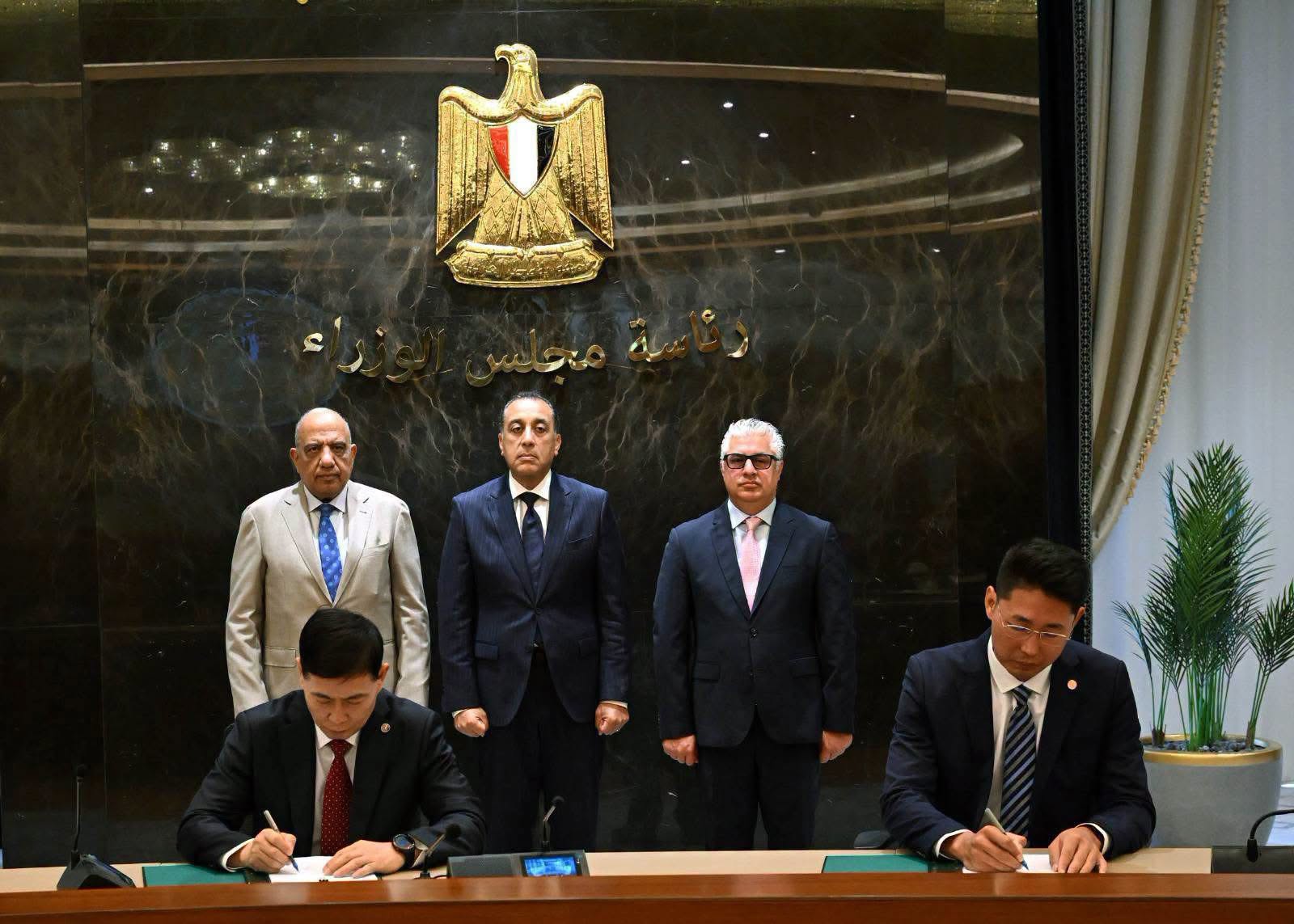

China’s Zenith Steel Group will invest $300 million in a tyre components manufacturing plant in Egypt, becoming the latest Chinese company to back Cairo’s growing ambition of turning the country into one of the region’s leading automotive and tyre manufacturing hubs.
- China’s Zenith Steel will invest $300 million in Egypt.
- It joins more than $4.5 billion in Chinese tyre investments.
- Egypt is building an integrated automotive manufacturing hub.
- The project will create 1,000 jobs and boost exports.
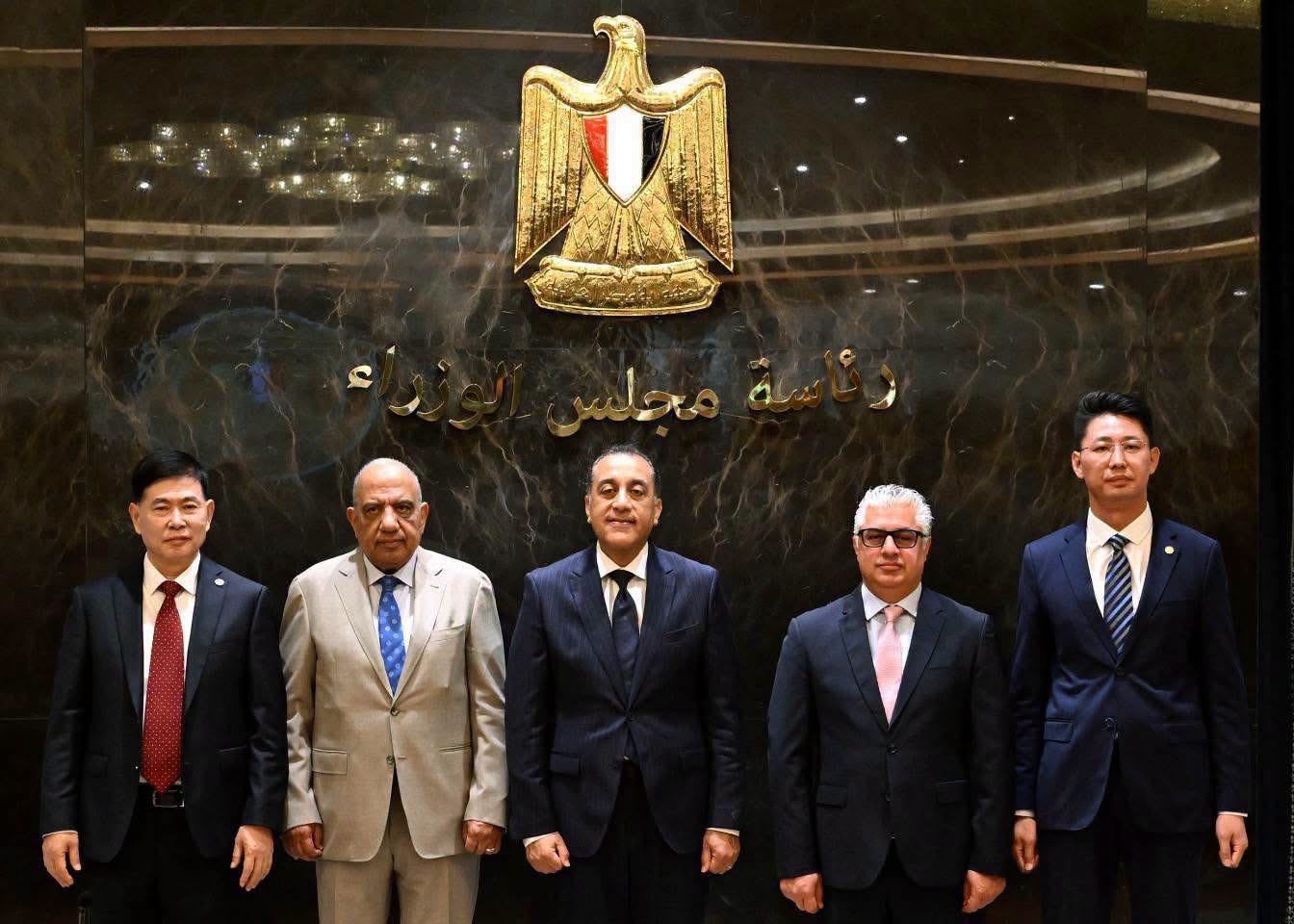
The agreement, signed with the General Authority for the Suez Canal Economic Zone on July 1, will see the company establish the factory inside the China-Egypt TEDA industrial zone in Ain Sokhna.
The project will produce steel cord and bead wire, two critical materials used in tyre manufacturing, and create about 1,000 direct jobs. Around 30% of production will be exported to markets in the Middle East, Europe and the Americas.
The investment is the latest in a wave of Chinese manufacturing projects that are reshaping Egypt’s industrial landscape and strengthening its position as a production base serving African, European and Middle Eastern markets.
DON'T MISS THIS: BMW's plan to establish another production plant in Africa is set to create an economic boost
China doubles down on Egypt
Zenith Steel is far from the first Chinese manufacturer to place a major bet on Egypt’s tyre industry.
Over the past year, Chinese companies have announced a string of large investments, including Shandong Linglong Tyre’s planned $2 billion factory, Sailun Group’s $1 billion investment, National Tire and Rubber Corporation’s $550 million project, Aeolus Tyre’s $396 million investment, Chaoyang Longmarch’s $190 million factory and Himile Group’s $100 million project.
DON'T MISS THIS: Egypt secures $1 billion deal with a major Chinese automotive company
Together with Zenith Steel’s latest commitment, those investments exceed $4.5 billion, highlighting Egypt’s emergence as one of China’s fastest-growing manufacturing destinations in Africa.
Rather than investing only in tyre assembly plants, Chinese companies are increasingly building the entire supply chain, from intermediate materials and engineering components to finished tyres, a strategy that could reduce production costs and improve export competitiveness.
Why Egypt is attracting billions
Located at the crossroads of Africa, Europe and Asia, the country offers manufacturers direct access to major shipping routes through the Suez Canal, while the SCZONE provides tax incentives, ready industrial infrastructure and logistics links designed to attract export-oriented manufacturers.
SCZONE Chairman Walid Gamal El-Din said the project would strengthen Egypt’s ability to become “a regional hub for exporting components used in advanced engineering industries” while deepening industrial integration with existing tyre manufacturers operating inside the TEDA zone.
The industrial zone has attracted about $13 billion in foreign investment over the past three years, including $7.1 billion during the 2025/26 fiscal year alone, reflecting accelerating investor confidence in Egypt’s manufacturing strategy.
SEE ALSO: Mercedes-Benz set to roll out truck assembly plant in West Africa
In December 2025 alone, three Chinese companies signed industrial agreements worth $1.15 billion in the same zone.
A broader industrial strategy
The Zenith Steel investment fits into Egypt’s wider plan to expand higher-value manufacturing, reduce imports and increase exports.
The government wants non-oil exports to grow by 15% to 20% annually through 2030 while increasing local content in vehicle manufacturing to 60% over the same period. Building local production of tyre reinforcement materials is expected to support that goal by supplying both domestic vehicle assemblers and export-focused manufacturers.
Egypt already hosts vehicle assembly operations for major global automakers including General Motors, Toyota and Stellantis, giving policymakers an opportunity to deepen local supply chains rather than relying on imported components.
For China, the investment strengthens its industrial footprint along one of the world’s busiest trade corridors. For Egypt, it represents another step towards becoming a regional manufacturing platform capable of supplying Africa, Europe and the Middle East with higher-value industrial products instead of simply serving as a transit hub.