Bogotá Fashion Week Strengthens International Push for Colombia’s Designers
Under a mirage of glowing escalators inside Bogotá’s Ágora Convention Center, the catwalks of Bogotá Fashion Week opened Tuesday with more than fabrics and silhouettes on display. Behind the runway lights lies a larger ambition: to turn Colombia’s capital into a regional fashion export hub and bring designers from Bogotá’s workshops and popular commercial districts […]
 Black News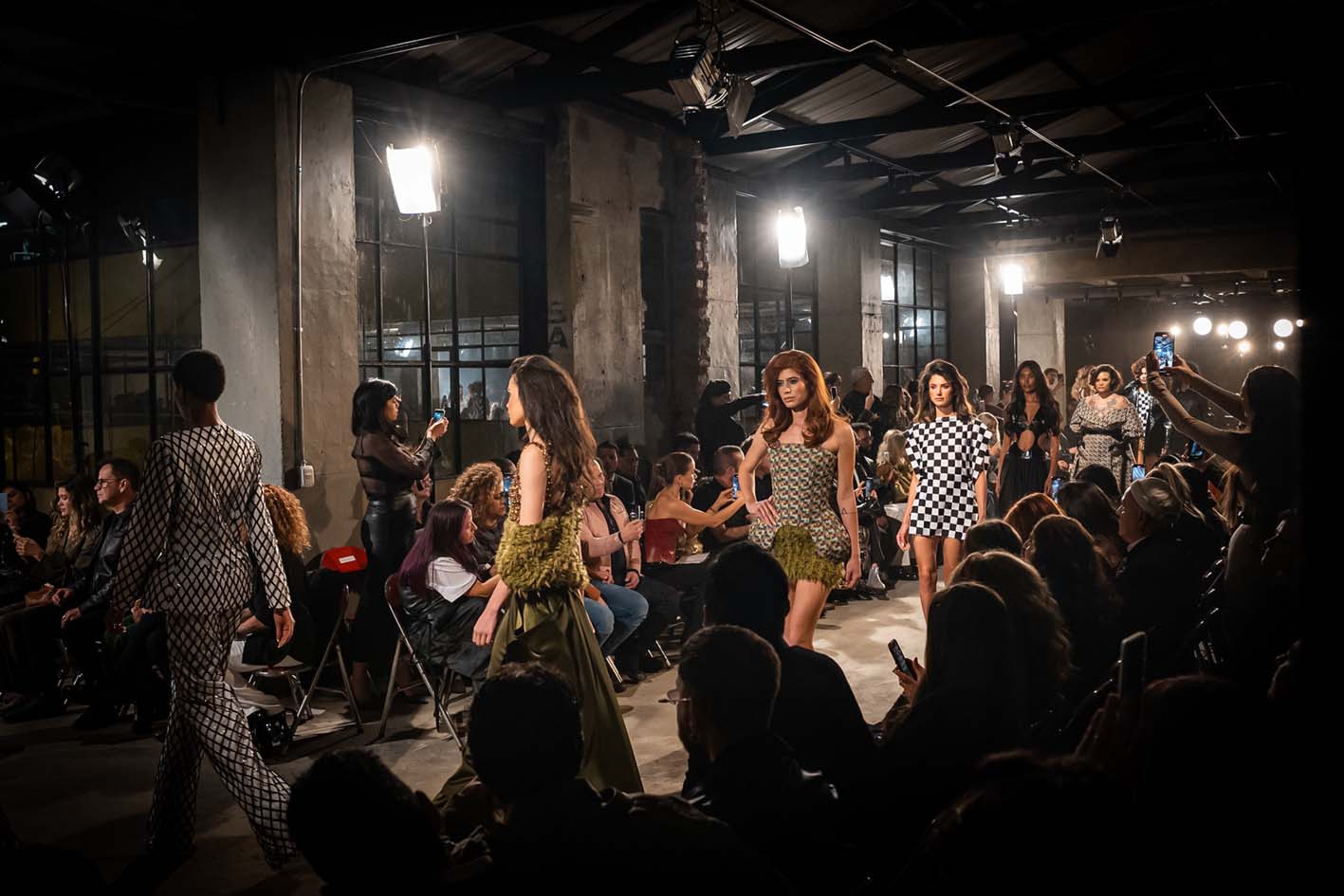
Under a mirage of glowing escalators inside Bogotá’s Ágora Convention Center, the catwalks of Bogotá Fashion Week opened Tuesday with more than fabrics and silhouettes on display. Behind the runway lights lies a larger ambition: to turn Colombia’s capital into a regional fashion export hub and bring designers from Bogotá’s workshops and popular commercial districts onto the global stage.
Now in its ninth edition, Bogotá Fashion Week (BFW), led by the Cámara de Comercio de Bogotá, has become the city’s main commercial and promotional platform for fashion, bringing together 145 brands, 28 runway shows, more than 80 international buyers and 755 business meetings aimed at strengthening Colombia’s presence in international markets.
For Ovidio Claros Polanco, president of the chamber, the event is no longer simply about showcasing collections, but about transforming fashion into a driver of economic growth and international competitiveness.
“In Bogotá, the fashion sector represents 33% of the city’s economic activity and brings together approximately 35,000 active companies, the majority of them microenterprises,” Claros said. He added that between 220,000 and 250,000 people are directly linked to the industry, with its impact extending into tourism, hotels, gastronomy and transportation.
The strategy, he said, is to move beyond the traditional notion of fashion as an exclusive industry and instead position it as an economic ecosystem capable of generating employment and export opportunities across all levels of the city.
That vision is particularly visible through [PUENTE] Internacional, a program created by the chamber to connect entrepreneurs from Bogotá’s traditional commercial districts such as San Victorino and Restrepo with major global fashion circuits including New York, Madrid, Dubai and Paris.
This year, eight Bogotá-based brands — Alanna, A Modo Mio, C’emadier, Más Cincuenta y Siete by Love Me Jeans, Lorant & Co, Lyenzo, Liza Herrera and Kernel Leather — were selected to present their autumn-winter collections during Fashion Designers of Latin America (FDLA) at New York Fashion Week in February.
The initiative marked one of the strongest international pushes yet for Bogotá’s so-called “popular fashion” sector, traditionally associated with local manufacturing districts rather than luxury runways.
“We are committed to the internationalization of Bogotá’s popular fashion because it is a powerful vehicle for economic growth and job creation,” Claros said. “We want the best of Bogotá’s design talent to arrive in the global capitals of fashion stepping forward with strength.”
The selection process involved curators and industry figures including Albania Rosario, founder of FDLA, José Forteza, former senior editor of Vogue México, Colombian designer Jorge Duque and stylist Estefanía Turbay.
For Albania Rosario, the initiative reflects the growing relevance of Latin American fashion beyond its domestic markets.
“Each of these brands represents not only the excellence of Bogotá’s design, but also the resilient and visionary spirit of our creative community,” Rosario said. “It is a reminder of the transformative power of Latin American fashion on the global stage.”
The international agenda continues well beyond Bogotá Fashion Week. Following the local runway events this week, [PUENTE] designers are scheduled to participate in Pasarela Madrid later in May, followed by Dubai Fashion Week in September, New York Fashion Week’s spring-summer season, and Paris Fashion Week later that month.
Inside Ágora, the business focus is equally visible. Alongside runway presentations from designers such as Kika Vargas, Francesca Miranda and Alejandro Crocker, the event hosts wholesale meetings between Colombian brands and international buyers seeking new suppliers and partnerships.
A multi-brand retail space open to the public and a series of 24 industry talks with more than 60 speakers also seek to bridge the gap between creative design and commercial scalability.
For organizers, integrating districts like San Victorino and Restrepo into this model is essential. Rather than separating emerging luxury labels from mass-market producers, the chamber is pushing for a unified ecosystem where independent designers, small workshops and large buyers operate within the same commercial conversation.
“There is a need to remove the idea that fashion belongs to only a few people,” Claros said. “This belongs to everyone. Countries change through actions like these.”
As Bogotá Fashion Week expands its global ambitions, the challenge will be whether Colombian brands can translate visibility into long-term exports and sustained international demand.
For now, however, the city is betting that fashion — from the ateliers of Chapinero to the workshops of San Victorino — can become one of Bogotá’s strongest international calling cards.