Canada joins US in blocking another African World Cup participant as Ghana’s Thomas Partey is denied visa
Canada has joined the United States in blocking African participants from the 2026 FIFA World Cup after denying Ghana midfielder Thomas Partey a visa, a decision that has triggered a diplomatic protest from Accra and renewed concerns over cross-border travel during the tournament.
 Black News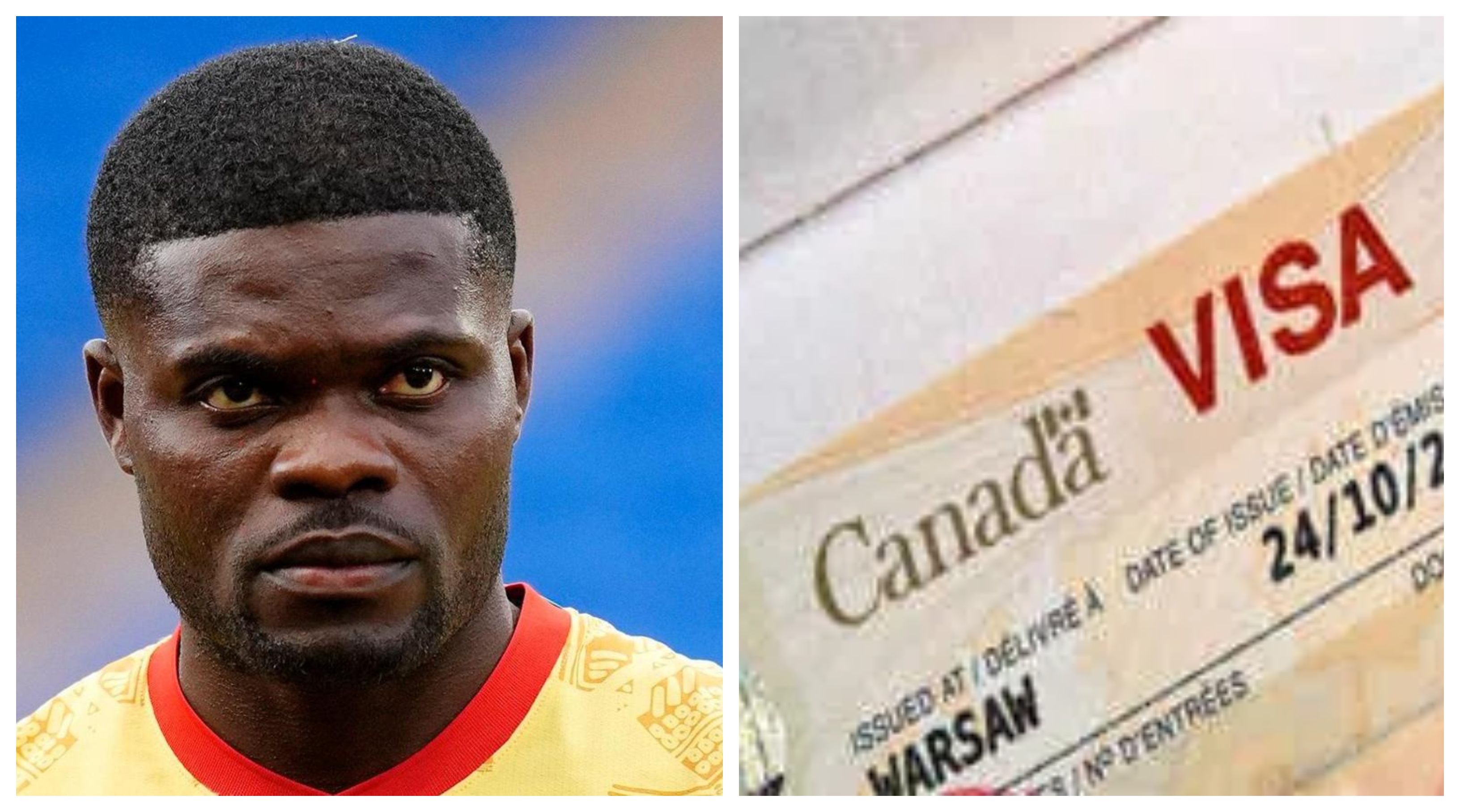

Canada has joined the United States in blocking African participants from the 2026 FIFA World Cup after denying Ghana midfielder Thomas Partey a visa, a decision that has triggered a diplomatic protest from Accra and renewed concerns over cross-border travel during the tournament.
- Canada denied Ghanaian midfielder Thomas Partey a visa, preventing him from playing in Ghana's opening World Cup match in Canada.
- Ghana's government condemned the decision as unfair and has lodged a formal diplomatic protest, exploring possible legal actions.
- Canada cited unresolved criminal proceedings in the UK against Partey, though no conviction has occurred, raising fairness concerns.
- These incidents highlight risks and operational challenges for African participants, as border rules across US, Canada, and Mexico may disrupt World Cup preparations and deny opportunities.
Canadian authorities refused Ghanaian midfielder Thomas Teye Partey a temporary resident visa, preventing him from travelling from the Black Stars’ team base in Boston, United States, to Canada.
As a result, Partey is expected to miss Ghana’s opening World Cup match against Panama on June 17.
“FIFA can confirm that player Thomas Partey will be unable to travel from Ghana’s Team Base Camp in Boston, USA, to Canada for their first match against Panama on Wednesday, June 17, as his visa application has been refused by the Canadian government,” FIFA said.
Ghana condemns decision
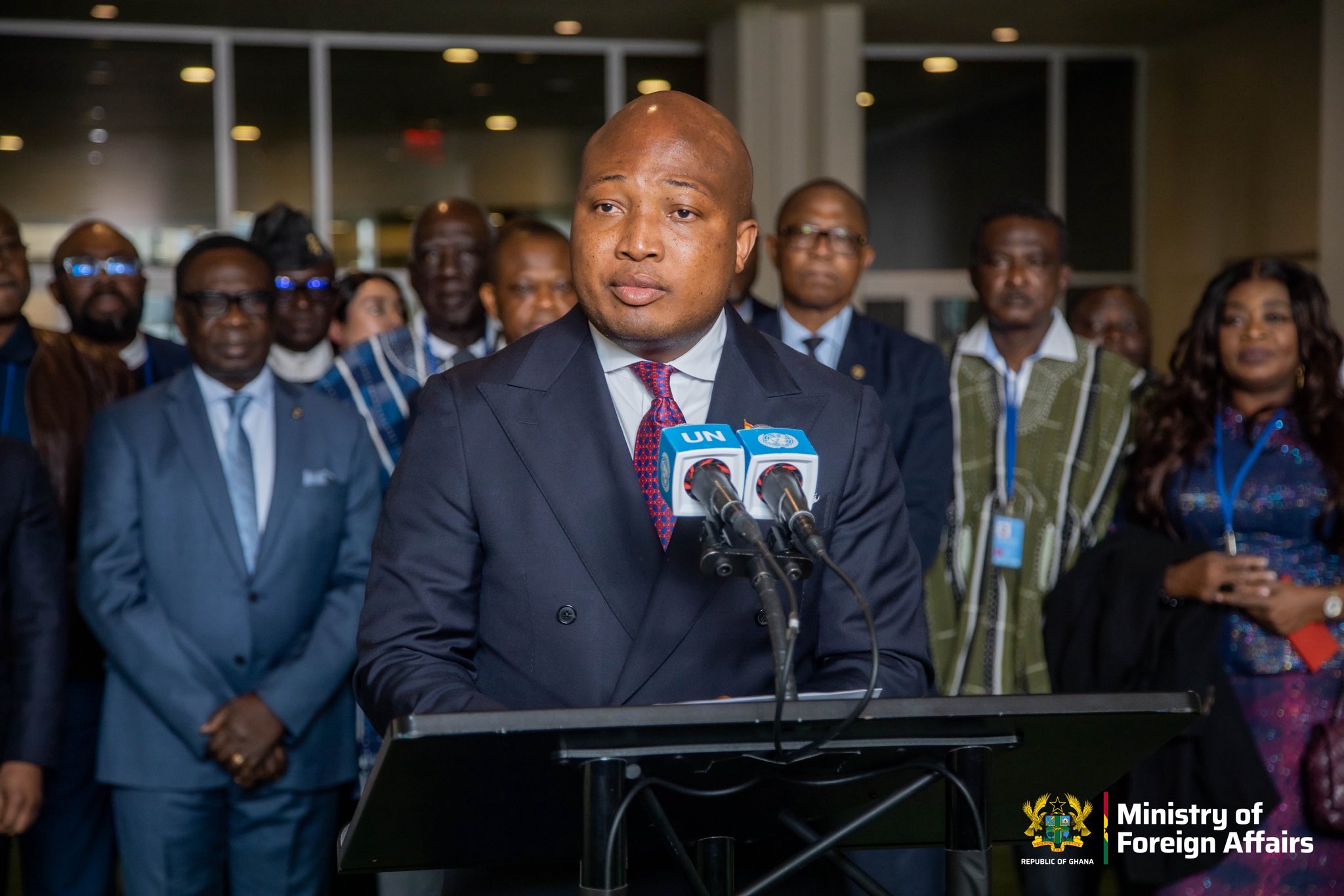
Ghana’s Ministry of Foreign Affairs described Canada’s decision as “high-handed and extremely unfair”.
The ministry said Immigration, Refugees and Citizenship Canada found Partey inadmissible under paragraph A36(1)(c) of Canada’s Immigration and Refugee Protection Act.
The decision is understood to be linked to pending criminal proceedings in the United Kingdom. The case has not resulted in a conviction or judicial finding of guilt.
Ghana said Canada’s reliance on unresolved charges raised “fundamental questions of fairness and proportionality”, while acknowledging Ottawa’s right to enforce its immigration laws.
“The Government of Ghana reaffirms the fundamental legal principle of the presumption of innocence, a cornerstone of justice and due process in democratic societies,” the ministry said.
Accra opens diplomatic talks
Ghana’s Foreign Ministry said it sent an official note of protest to Global Affairs Canada on June 11 and asked Canadian authorities to review what it called an “unfortunate decision”.
Foreign Affairs Minister Samuel Okudzeto Ablakwa has also held talks with Canadian officials, including Canada’s High Commissioner to Ghana, Myriam Montrat, since the matter came to his attention.
The ministry said Partey’s selection for the World Cup carried significant national and international implications and urged Canada to reverse its decision “in the interest of fairness and cardinal principles of common law”.
US case deepens concerns
Canada’s decision came days after the United States denied entry to Omar Abdulkadir Artan, Africa’s reigning referee of the year and the first Somali selected to officiate at a FIFA World Cup.
US authorities refused Artan entry after he arrived at Miami International Airport from Istanbul, citing unspecified “vetting concerns” following additional screening.
Together, the cases have raised concerns about how Canada, the United States and Mexico will balance their immigration rules with the demands of hosting the tournament.
The restrictions denied Artan a career-defining World Cup debut and left Partey set to miss Ghana’s opening match against Panama, affecting both their countries’ participation and Africa’s representation at the tournament.
In Partey’s case, however, Ghana said it could pursue further administrative and legal remedies, including a judicial review before the Federal Court of Canada.
“May the beautiful game of football continue to live up to its reputation of uniting nations, forging lasting bonds of friendship, playing by the rules, and promoting fair play,” the ministry said.