Capturing the spirit of the ’90s surf scene with Volcom
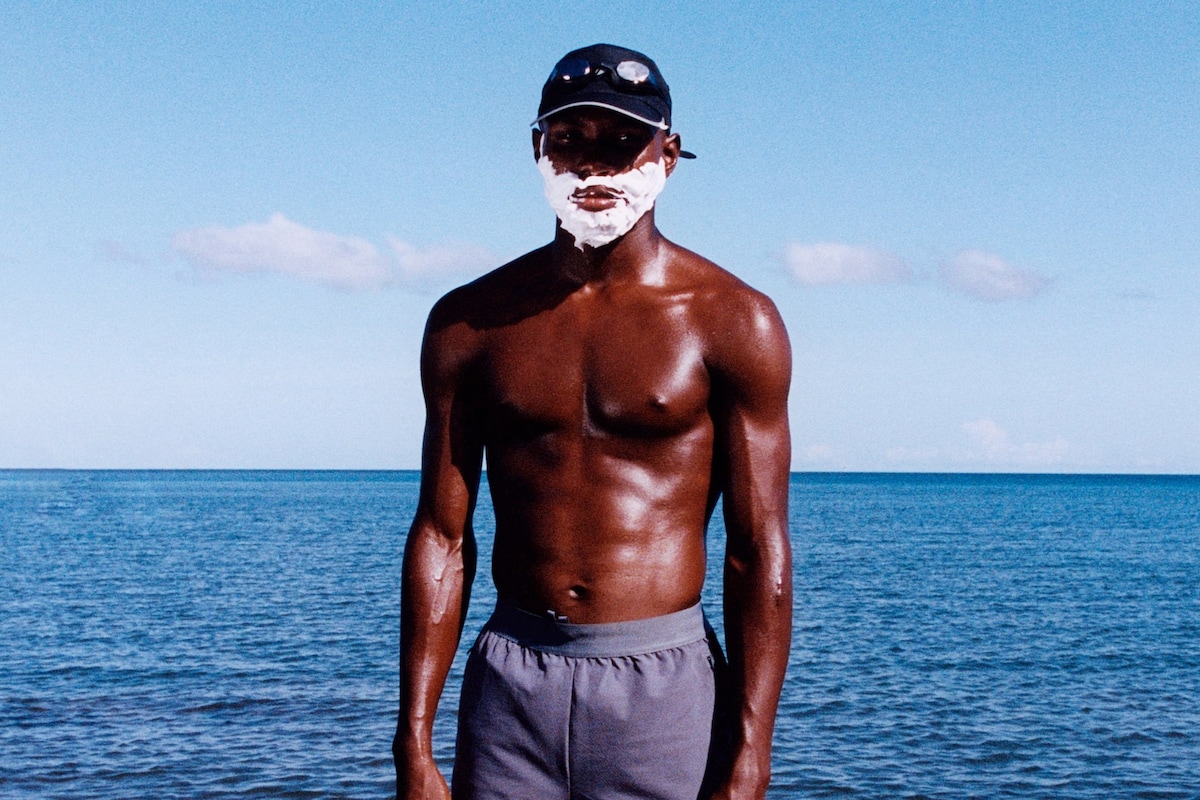
Nineteen 90 Nowhere — The brand’s latest Featured Artist Series collection sees them tap three surfers and artists in Gony Zubizarretta, Seth Conboy and Issam Auptel, whose neo-grunge work blends the rawness of the decade with the present.
 Black News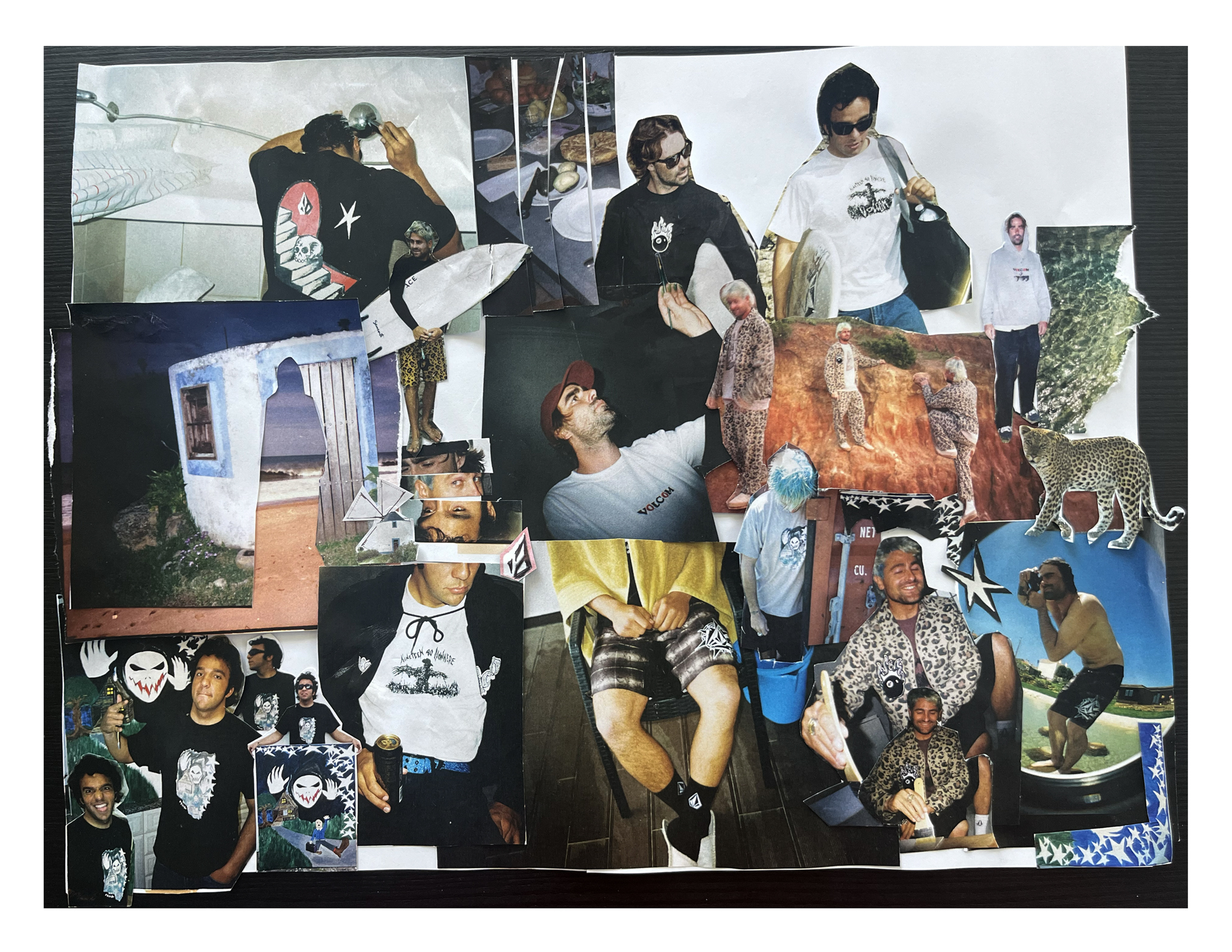
Nineteen 90 Nowhere — The brand’s latest Featured Artist Series collection sees them tap three surfers and artists in Gony Zubizarretta, Seth Conboy and Issam Auptel, whose neo-grunge work blends the rawness of the decade with the present.
Surfing in the ’90s. Kelly Slater with hair, untouched waves, unbroken shores and a sport on the precipice of global attention and commercial success. It’s when VHS tapes and issues of Surfer magazine were being handed around schoolyards, Pearl Jam soundtracked the beaches, and the sport felt raw and unpredictable.
Nowadays, in the era of smartphones and reels, it’s easy to look back on the time with pangs of nostalgia. But as all fans of the sport know, there’s much to love about the scene and culture today.
Blending the best of past and present is the subject of surf and skate lifestyle brand Volcom’s latest capsule collection, Nineteen 90 Nowhere. It brings together three surfers and artists of three different generations – Gony Zubizarreta, Seth Conboy and Issam Auptel – to create work that channels the spirit of the ’90s scene and decade, while carrying “neo-grunge energy”, rooted in the pre turn of the millennium subcultural energy, into the present.
It’s a topic that’s particularly meaningful for Volcom, which was founded in Orange County, California in 1991. The crew has been riding waves, and kitting out others who do ever since. To find out more, we caught up with the three talented surfers and artists to hear about bringing the collection to life.
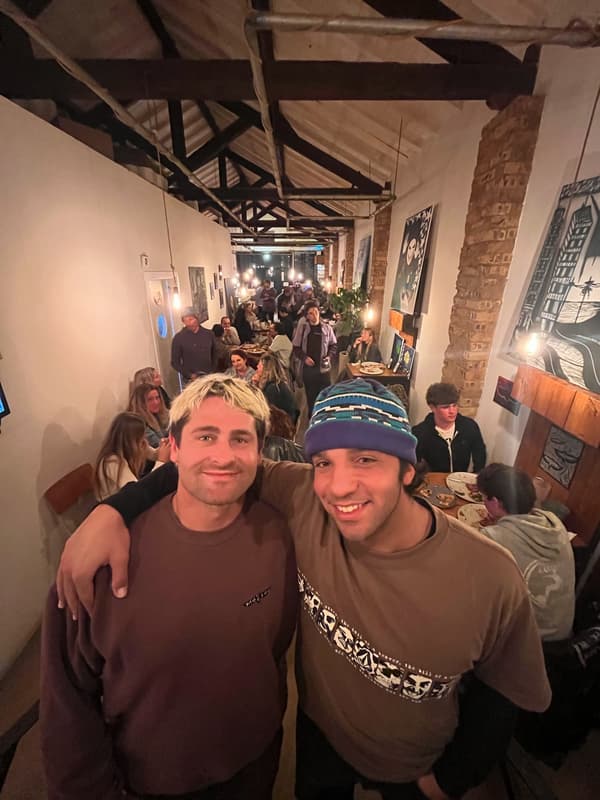
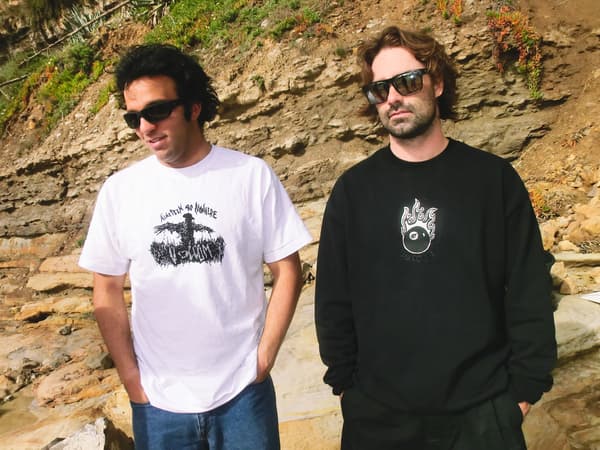
Gony Zubizarreta, 40
When and where were you born?
I was born in 1985 in Buenos Aires, Argentina.
When did you first get into surfing?
I moved to Spain as a baby and grew up by the beach in Vigo. My father was already a surfer, so being introduced to the sport came naturally. I caught my first wave at the age of seven, and from that moment on, surfing became a constant in my life. I’ve never stopped since.
What did you love about it?
The first time I stood up on a wave, it was an incredible feeling – far beyond anything I experienced in other sports. From that very first day, I was hooked. Nothing else compared, and I simply couldn’t stop.
What I loved most was being at the beach with my parents and my brother. Sharing my dad’s passion for surfing made it even more special – it was something we experienced together, and that connection meant a lot to me. I’ve felt drawn to the ocean for as long as I can remember, so being in the water always felt natural.
What about art? When did you first start getting into drawing?
I remember drawing as a kid with my older brother, Santi. He was drawing every day, all day – he really loved it. I just wanted to do whatever he was doing, so we spent a lot of time painting together. It was really, really fun. Later on, I started painting all my surfboards. I was really inspired by Ozzie Wright, because he was always painting his boards and surfs radical. I also admired surfers/artists like Mike Mailman, Ben Brough and Barney Barron. They influenced me a lot and gave me the confidence to mix art with surfing in my own way.
How do you channel the spirit of the ’90s into your art?
This collection is really special to me because the ’90s were a very important time in my life. I was just starting to become a teenager, and I have strong memories from those years — the music, the atmosphere, the way everything felt. That period definitely shaped me.
For this project, I was inspired by the grunge era and also by the style of Daniel Johnston. I tried to keep the drawings simple, not using too many colors, and giving them a more raw, slightly messy feeling. I wanted them to feel honest and natural, a bit imperfect — like the spirit of the 90s that I remember.
What was the ’90s surf scene like?
Back in the 90s, it was totally different. When I grew up in Vigo, there were no surf schools. I was lucky to surf with my dad and my older friends, and we used to drive around Galicia just trying to catch the best spots depending on the wind and the swell. It felt more real… Empty lineups and the truth is we didn’t know much. We just learned by watching videos, reading magazines, and from each other. It was totally different, more authentic, I guess.
How do you think surf culture has changed since then?
Right now, it’s totally different. You have surfers from those years, with a lot of knowledge, mixed in the lineups with people learning in surf schools and some who don’t always have the level to be in the lineup. It can be a little messy sometimes, but I try to surf spots with fewer people and still enjoy it. You still can always find a more mellow place to have fun with your friends. Sometimes it means driving a bit more or surfing at different times, but that’s fine. I’m also happy for everyone starting to surf because it’s an amazing sport that makes you feel happy. The most important thing is to surf with respect – respect the ocean, respect others, and stay humble.
What music did you listen to?
Back in the ’90s, I listened to a lot of punk rock. My first CDs were punk rock. I also listened to Nirvana, The Offspring, and Bad Religion. Later, I got into bands like Millencolin, Know Your Name, and Like Wagon. After that, I started exploring more metal and old rock & roll, listening to bands from the ’60s and ’70s like Black Sabbath, Motörhead, and Led Zeppelin.
What else were you getting up to in the 90s?
I started skateboarding a lot. It was amazing and so much fun — skating every day and surfing after school and on weekends. It was all about skating and surfing.
Are there any memories that particularly stand out?
My favourite memories from those years are definitely from when I started surfing in Vigo. Those were really special times with my family, spending summers in the water. I also remember going to watch surfing contests in North Galicia, like the Pantín Classic, and in Portugal, seeing surfers like Kelly Slater and Rob Machado, along with some of the best surfers in the world.
At the end of the ’90s, in 1999, it was amazing to be in Hossegor and meet the Volcom international team – surfers like Bruce Irons, Barney Baron, Ozzie Wright, Simon Young, and Mike Mailman at the Gliss Expo. It was a trade show in Anglet, and it was so much fun. I also met Helder Ferreira from Volcom Portugal, along with Troy Eckert, Yan Benetrix and other legends. The Volcom events in the late 90s were just insane. Being a teen during that time was super inspiring – I’ll never forget it.
How do you look back upon growing up in the ’90s? What do you get nostalgic about?
I get nostalgic about just walking with my wetsuit on, with my friends. We used to walk from the house to the beach, straight to Patos, and go surfing without even thinking about it. The conditions didn’t matter. Many times we walked for 20 minutes and arrived to find it was flat, but it was fun anyway. That hope and excitement — the feeling that it was going to be fun — made the whole experience special, even if the waves didn’t come.
I also remember skateboarding every afternoon with my friends, just on the streets every day. It was so much fun.
Obviously, things have changed a lot since then. Social media and smartphones have changed the ways that we react with each other and the world around us, while algorithms mean we all engage with culture differently. In what ways do you think we have progressed, and what ways do you think we have regressed?
The internet and social media have really good things, but also some negative aspects. Right now, you can be connected to anyone in the world, even without traveling or meeting them in person. You can talk to friends and family even if they’re far away, and that’s really positive. Back in the day, if you couldn’t travel, you only met the people around you or in your city. That makes this connectivity a big advantage today. The key is just knowing how to use social media without getting lost or wasting too much time on it.
Also, we can become less creative because we spend a lot of time just consuming content. On the other hand, it’s great that we can share our own work and ideas. At the same time, it can make us less present – we’re closer to people who are far away, but sometimes more distant from the people who are near us. The important thing is finding a good balance.
What lessons do you think young people can learn from the ’90s?
The most important thing is to be present – to be here. Play with your friends when you’re a kid, don’t spend all your time on your phone. Just play, be active, go surfing, do whatever feels fun. At the same time, stay true to yourself and enjoy life, while staying connected to nature, your family, and your friends.
How exciting is it to be part of the Volcom featured artist series that celebrates the spirit of the ’90s?
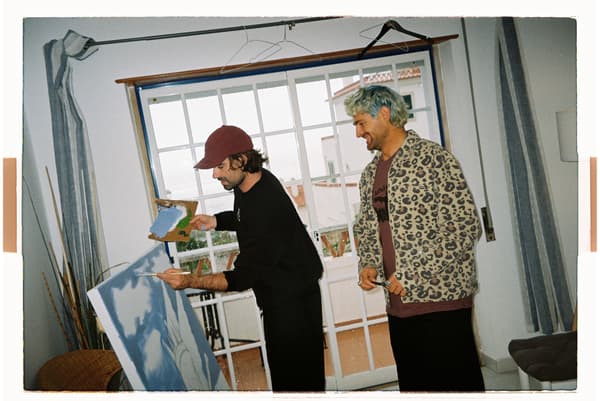
It’s super exciting. I’m really happy and very thankful. It’s an honour to be part of this collection. For me, it was an amazing experience to draw alongside Seth and Issam. I really enjoyed creating all the pieces, as well as the other art we made together during our stay in Portugal. We painted a lot of canvases and explored different kinds of art, so it was a really special time. We had a great week together, and it was incredibly inspiring to share those moments painting side by side. I’m very happy with the collection and hope we can create more projects like this in the future.
Seth Conboy, 31
When and where were you born?
My date of birth is March 1st, 1995.
When did you first get into surfing, and what did you love about it?
I started surfing when I was about 8 years old or so. I think it was the whole no rules thing! Surfing is so freeing and nobody can tell you how to ride a wave.
What about art? When did you first start getting into drawing?
I have always messed around with paint or worked on little scribble drawings. I vividly remember when I was around 13, I did a detailed perfect left in graphite for art class and I was all stoked on it. My relationship with art has grown so much, but I think that was the true start.
Being born in the late 90s, what do you remember about the decade?
I was 5 years old by the end of the decade so it is a little blurry for me, but I think the music is the biggest takeaway. All the tunes from the 90’s were played in my dad’s truck at the time. I hate to sound cliche, but a lot of Nirvana.
When you were growing up in the 2000s, is there anything about the ’90s that you would get nostalgic about?
I think about the clothing style! A true ’90s person knows what I mean. The transition from the ’80s into the ’90s had so much cool stuff going down in America. It was punk, it was metal, it was a party it seemed.
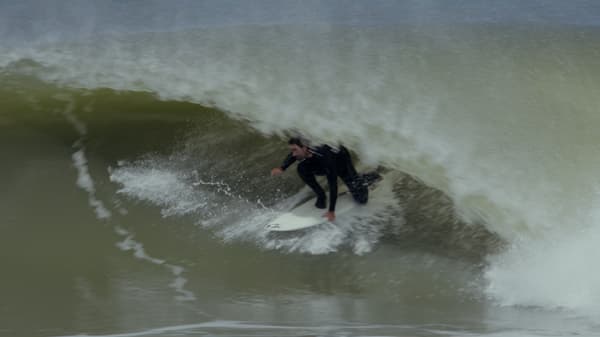
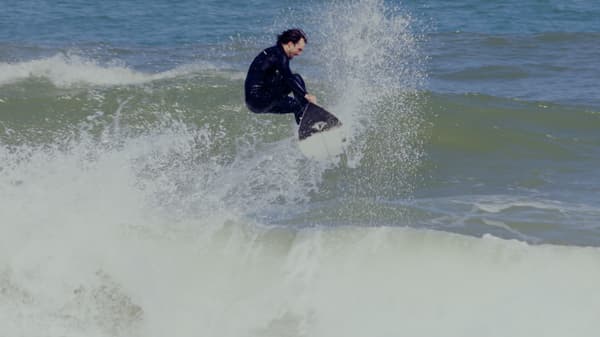
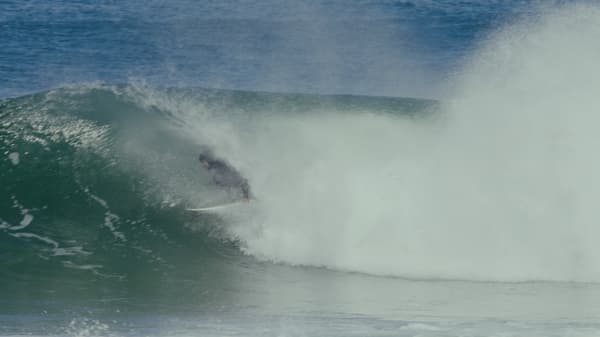
What music did you listen to growing up?
Smutt Peddlers, Bolt Thrower, Ministry, The Cure, Depeche Mode, Slayer, etc…
Was there anything that you looked back on and wished you were there for?
I wish I was there for the surfing era! The progression, the boards, the new spots that aren’t so new now… It looked like the sickest time to be a surfer.
How do you channel the spirit of the 90s in your art and work?
I try to just keep it fun. When I make stuff I never not have the music playing. Here and there a 90’s track comes on and keeps me grounded to my era! I love referencing American tattoo flash and I feel like the 80’s and 90’s were hot for tattooing. I get a good dose of 90’s all the time.
Having seen the growth of social media as you’ve come of age, how do you think it’s affected your generation?
I love the fact that I get to keep up with all my buddies around the world. I hate social media though because it always feels like a place to compare and contrast to others. It is also super saturated and makes me not want to see surf clips or the new piece of art someone has made. The relationship with social media is in a weird place and I see people disengaging more and more. Bring back human experience!
And how are you taking the ’90s spirit and reinterpreting it yourself to create something new, modern and exciting?
I live by it really – you can’t take away your era. I want to stay true to myself, so you will always get some ’90s with me.
How exciting is it to be part of the Volcom Featured Artist Series, Nineteen 90 Nowhere?
It was awesome! Volcom has been the brand of the 90’s. They have always supported surfers/skaters/snowboarders who create music or art. To be included with the history of Volcom’s creators means a lot to me. They are the only brand that accepts people like me, I am forever grateful for my opportunities with ‘the STONE’.
Issam Auptel, 25
When did you first get into surfing?
When I was around seven or eight in the Mediterranean Sea during summer, with my dad’s longboard. Then at 10 I moved to Guadeloupe and this is where things got a bit more serious!
What did you love about it?
Just playing with the waves, being in the water and just gliding. Such a cool feeling
What about art? When did you first start getting into drawing?
I really start liking drawings when I was like 17-ish in school. I was pretty bored, so it was either drawing or sleeping. I think drawing helped me graduate, I guess.
Being born in the 2000s, how do you look back on the 90s? In surf culture and wider culture? Are there things you wish you experienced?
I think that the ’90s were way more DIY and punk. I feel like people were living more for their passion than anything else. No future vibe. That’s why things were more raw.
It wasn’t the best era for surfing I would say, but we had real pioneers and just surfing with no filters. The Lost videos… pretty insane. All my favourite bands are from the ’90s so I’m pretty bummed that I wasn’t born yet to experienced seeing them live during their prime.
What ’90s music do you look back on and think particularly holds up well today?
There’s some screamo and emo bands from the ’90s who do reunion shows nowadays and I think it’s pretty sick. It’s important for the younger generations to be able to witness the GOATs live.
How do you look back upon growing up in the 2000s? Are there challenges that you think people in the 90s didn’t have to deal with that people of your generation have had?
Maybe the cost of living? I’m not a pro on the subject but seems like everything is so expensive today.
And I don’t know if it’s a challenge, and it’s a pretty obvious answer but social media and smartphones suck pretty bad. I mean it’s pretty nice to keep in touch with friends and share what you’re doing, but it’s so addictive and we just look at nonsense stuff all day long. It really kills some aspect of life.
How are you taking the 90s spirit and reinterpreting it yourself to create something new, modern and exciting?
I just try to do what makes me happy and not trying to always fit in today society. If I make a surf clip, I would use a song I like even though I know it would get less views because it’s not a trendy song. I like it and that’s what matters right? Again, I wasn’t born in the ’90s but I think that was the spirit for some people.
What does it mean to you to take part in the Volcom Featured Artist Series, which celebrates the ’90s spirit.?
Its really exciting to work with a brand like Volcom who had this will of bringing back some cool designs and ideas. The DIY spirit! Merci Volcom!
Shop Volcom’s latest Featured Artist Series capsule collection via their official website.
Buy your copy of Huck 83 here.
Enjoyed this article? Follow Huck on Instagram for more from the cutting edge of sport, music and counterculture.
Support stories like this by becoming a member of Club Huck.