Climate experts say hotter, drier days ahead
Regional climate experts are warning that the Caribbean could face hotter, drier conditions over the next two years, as a developing El Niño event increases the risk of drought, heat stress, and wider economic disruption. The warning comes from the Caribbean Institute of Meteorology and Hydrology (CIMH) and the University of the West Indies Climate […] The article Climate experts say hotter, drier days ahead is from St. Lucia Times.
 Black News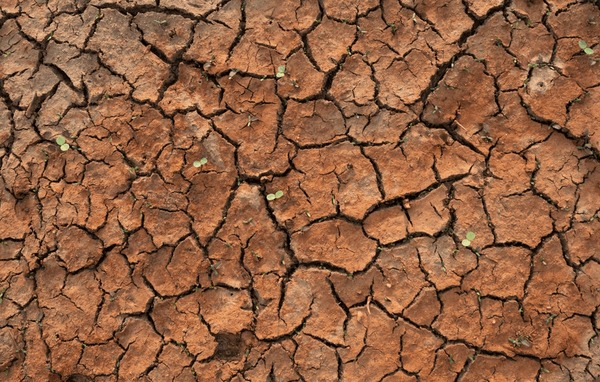

Regional climate experts are warning that the Caribbean could face hotter, drier conditions over the next two years, as a developing El Niño event increases the risk of drought, heat stress, and wider economic disruption.
The warning comes from the Caribbean Institute of Meteorology and Hydrology (CIMH) and the University of the West Indies Climate Studies Group Mona, which are urging governments, businesses, farmers and households to begin preparing now.
Climatologist Cedric Van Meerbeeck said forecasts point to periods of reduced rainfall alongside increased heat and humidity, conditions that can affect water availability, agriculture and human health.
Historically, El Niño has been linked to severe drought across the Caribbean, including during the 2009-2010 and 2014-2016 periods. Experts warn that countries already experiencing dry conditions, particularly in the Eastern Caribbean, may see slower recovery of water resources, even as the wet season begins.
Beyond drought, the region could also experience extreme heat, wildfire risk and marine heatwaves, which can contribute to coral bleaching and impact marine ecosystems.
Professor Michael Taylor cautioned that forecasts suggest the emergence of a “multi-hazard regime”, where heat, drought, and marine impacts can occur together and reinforce each other. He stressed that such compound extremes pose a serious threat to livelihoods and require coordinated regional action.
While El Niño is typically associated with less active Atlantic hurricane seasons, experts note that the risk is not eliminated. A single storm or intense rainfall event can still cause significant damage, as seen in past events such as Hurricane Andrew and Tropical Storm Erika.
The potential impacts extend beyond weather. Reduced rainfall and higher temperatures can strain water and energy systems, affect agricultural production, and increase health risks, including heat-related illnesses and challenges linked to water quality.
There may also be wider economic effects. Climate-related disruptions have already impacted global trade routes, including the Panama Canal, where drought conditions have affected shipping operations, with potential knock-on effects for Caribbean supply chains and the cost of goods.
Experts are encouraging continued monitoring of forecasts, noting that El Niño outlooks typically become more reliable from May. Further guidance is expected at the upcoming Caribbean Climate Outlook Forum, where regional specialists will provide updated projections ahead of the wet and hurricane seasons.
Officials say early awareness and preparedness will be critical in reducing the potential impact of the developing climate pattern on the region.
The article Climate experts say hotter, drier days ahead is from St. Lucia Times.