Chapo Tells Mozambicans to Rip up Paving Stones and Plant Vegetables
By MOZTIMES MAPUTO (MOZTIMES) - Mozambican President Daniel Chapo has urged citizens to remove paving stones from their yards and plant vegetable gardens to survive the rising cost of living, in remarks likely to fuel criticism that the government is shifting the burden of economic hardship onto ordinary families instead of addressing deeper structural problems. […]
 Black News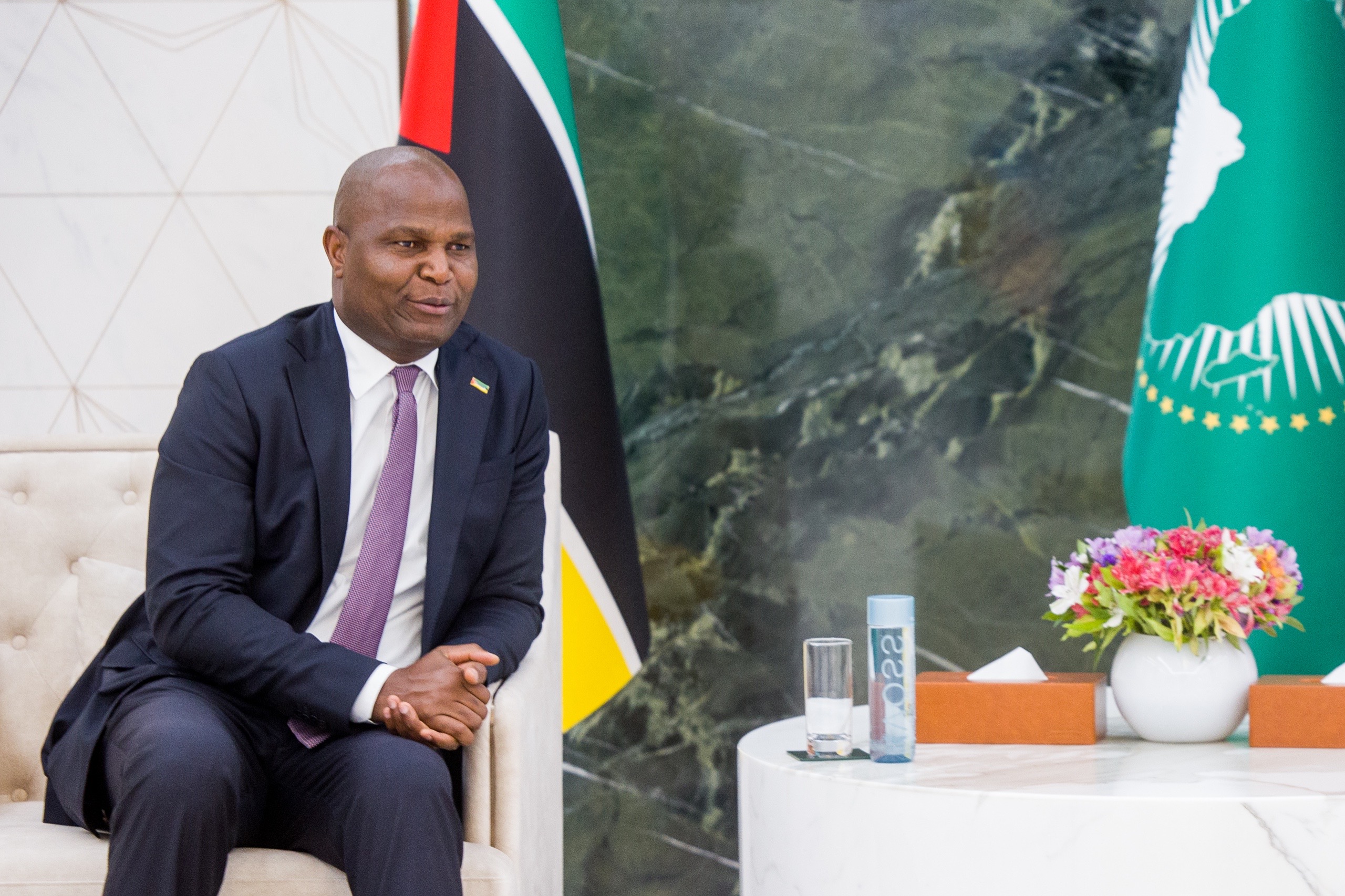
By MOZTIMES
MAPUTO (MOZTIMES) - Mozambican President Daniel Chapo has urged citizens to remove paving stones from their yards and plant vegetable gardens to survive the rising cost of living, in remarks likely to fuel criticism that the government is shifting the burden of economic hardship onto ordinary families instead of addressing deeper structural problems.
Speaking on Monday during the launch of 190 gas-powered buses, in Maputo province, Chapo acknowledged that soaring fuel prices were driving up the cost of transport and basic goods across the country, but responded with an appeal for household self-sufficiency.
“We have appealed for all of us to return to the habit of having a garden at home,” Chapo said. “Let us produce cabbage, onions, tomatoes, carrots and lettuce in our yards. Those who have paved their yards with blocks should remove the paving stones and make planting beds.”
The comments come as Mozambique grapples with growing public frustration over fuel price increases, transport costs and the broader rise in living expenses affecting food, construction materials and other essentials.
Chapo blamed the crisis on global instability linked to conflicts in the Middle East, arguing that Mozambique was suffering the consequences of an international energy shock similar to the disruptions caused by the COVID-19 pandemic.
“When transport costs rise, the price of bread rises, tomatoes rise, cement rises, fish rises — everything rises,” he said.
Yet the president’s remarks immediately echoed a long pattern in Mozambican political discourse in which leaders facing economic crises encourage citizens to rely on resilience, improvisation and sacrifice rather than offering immediate structural relief.
Over the years, Mozambicans have repeatedly been urged by political leaders to tighten consumption, embrace self-production and endure hardship during periods of economic stress, currency depreciation or inflation. Critics often interpret such rhetoric as an attempt to normalize austerity in a country where wages have long lagged behind living costs.
Chapo’s comments also revived memories of previous official campaigns promoting household farming and “self-reliance” during moments of economic strain — messages that frequently resonate poorly among urban residents struggling with unemployment, overcrowding and limited access to land.
The president nevertheless insisted the government was acting to mitigate the impact of the fuel crisis, citing subsidies for transport operators, the expansion of gas-powered vehicles and the delivery of new buses to municipalities.
“We decided not to passively watch as this international crisis worsens,” he said.
Despite public concern over rising costs, Chapo maintained that the fuel crisis was temporary and urged Mozambicans to adapt collectively.
“A family lives in the same house, but each person uses their own car. This is the moment to park three vehicles and use only one until the crisis passes,” he said.
The president’s remarks come at a sensitive time for Mozambique, where transport fare hikes have historically triggered unrest and deadly protests, particularly among low-income urban populations already struggling with stagnant incomes and unemployment. (MT)