Conflict in the Middle East seems to have stripped Nigeria of its diesel price advantage
Nigeria's position as one of Africa's cheapest diesel markets is swiftly fading as global tensions sparked by the Iran war cause shockwaves in energy prices.
 Black News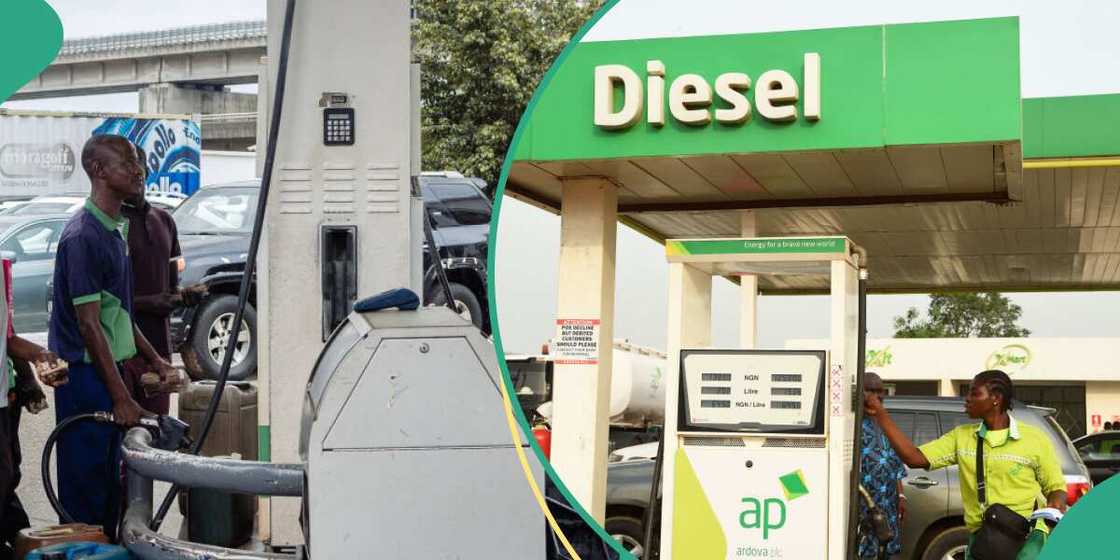



Nigeria's position as one of Africa's cheapest diesel markets is swiftly fading as global tensions sparked by the Iran war cause shockwaves in energy prices.
- Nigeria is losing its long-held status as one of Africa's cheapest diesel markets due to global energy price spikes from the Iran crisis.
- In April, diesel prices in Nigeria rose sharply to $1.304 per litre, dropping the country to the 23rd position in terms of lowest diesel costs in Africa.
- Disruptions in the Strait of Hormuz, a key global oil supply route affected by Iran tensions, have tightened supply and increased oil prices worldwide.
- Despite having the massive Dangote Refinery, Nigeria still faces price pressures due to the need to balance domestic crude supply and reliance on imports.
For years, Nigeria has routinely rated among the five countries with the continent's lowest fuel costs, including diesel and Premium Motor Spirits, popularly known as petrol.
Diesel, which is one of the linchpins of the country’s economy, was as cheap as 0.643 per liter and $0.674 in January and February, respectively.
However, a noticeable change was observed last month, during the heat of the global conflict disrupting one of the world’s most significant energy channels, when the country dropped a few spots outside of the 10 African countries with the cheapest diesel prices.
Diesel in Nigeria is currently $1.304 per litre, a 93.5% increase from February, pushing the country down to the 23rd position among African nations with the lowest diesel costs, according to the latest data from GlobalPetrolPrices, as of April 20th.
The shift marks a dramatic turnaround for a country that has long relied on relatively cheaper fuel to support transportation, logistics, and manufacturing.
At the center of the disruption is the escalating geopolitical tension involving Iran, a key player in global oil supply routes.
The ongoing Iran conflict has disrupted one of the world's most critical oil transit routes, the Strait of Hormuz, through which approximately one-fifth of global oil supply regularly flows.
The crisis has heightened uncertainty in international energy markets, tightening supply chains, and pushing up crude prices.
For import-dependent economies or those still balancing domestic refining with external sourcing, the effects have been immediate.
DON’T MISS THIS: From Nigeria to Libya: Africa’s top oil producers face uneven fuel price pressures amid Iran crisis
Oddly, this problem exists despite Nigeria not being an energy import-dependent economy, being home to the Dangote Petroleum Refinery, the world's largest single-train refinery.
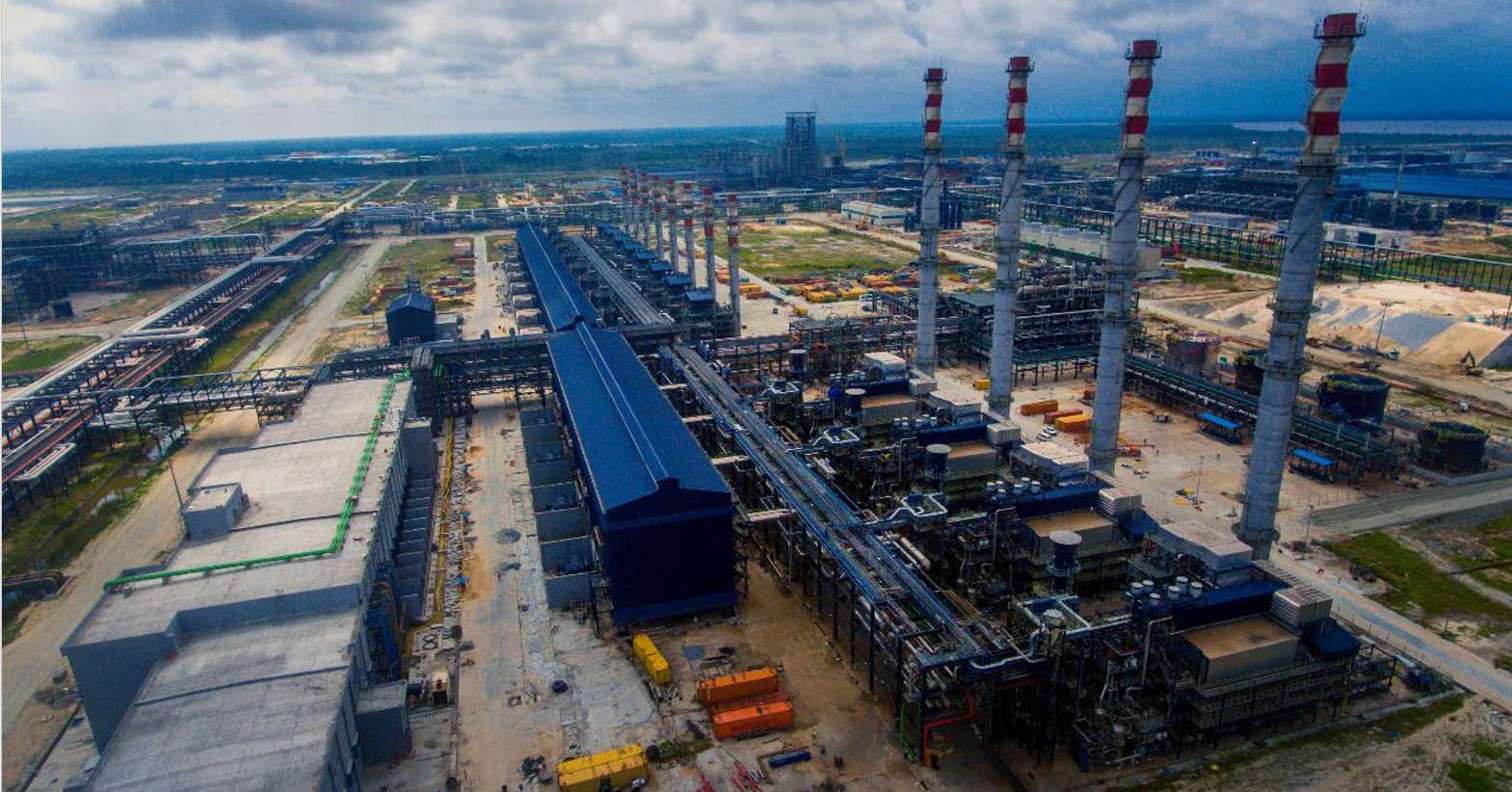
The refinery would typically, in this case, stabilize domestic fuel prices and minimize reliance on imports; however, it needs 13–15 crude cargoes monthly, and up until a couple of weeks back, sourced about 5 locally.
Across Africa, the impact of the Strait of Hormuz blockade has been uneven.
Oil-producing nations that might typically benefit from higher global prices are facing internal pricing pressures, while others are grappling with inflationary spillovers.
In Nigeria’s case, the rising cost of diesel poses significant risks to economic activity, particularly in sectors heavily reliant on fuel for power and transportation.