Dangote files new lawsuit against Nigeria, months after withdrawing N100 billion case over fuel import licences
Dangote Petroleum Refinery has filed a fresh lawsuit against the Federal Government of Nigeria and the country’s downstream regulator in a renewed effort to challenge fuel import licences issued to marketers and the state-owned Nigerian National Petroleum Company.
 Black News
![Aliko Dangote (President & CEO - Dangote Group) speaks on stage during Semafor World Economy 2026 on April 16, 2026 in Washington, DC. [Photo by Tasos Katopodis/Getty Images for Semafor World Economy]](https://ocdn.eu/pulscms/MDA_/9979a898ee3aed0dd688c5bf5dc6c867.jpg)
Dangote Petroleum Refinery has filed a fresh lawsuit against the Federal Government of Nigeria and the country’s downstream regulator in a renewed effort to challenge fuel import licences issued to marketers and the state-owned Nigerian National Petroleum Company.
- Dangote Petroleum Refinery has filed a new lawsuit against the Nigerian government and regulators, challenging the issuance of fuel import licences.
- The refinery claims that these licences violate a prior court order and undermine its operations, as domestic refining capacity now exists.
- Despite expectations that Dangote Refinery would reduce Nigeria's reliance on imports, the country continues to import fuel due to the refinery’s gradual production ramp-up.
- This legal dispute revives tensions over fuel market competition, pricing, and supply control following the withdrawal of a previous lawsuit last year.
Dangote Petroleum Refinery has filed a fresh lawsuit against the Federal Government of Nigeria and the country’s downstream regulator in a renewed effort to challenge fuel import licences issued to marketers and the state-owned Nigerian National Petroleum Company.
Last July, Dangote Refinery withdrew its N100 billion ($66 million) lawsuit against Nigeria’s petroleum regulator and several fuel importers, including NNPC Ltd. The refinery had argued that authorities continued issuing import licences for products such as Automotive Gas Oil (diesel) and Jet A1 aviation fuel despite the existence of local refining capacity.
Court documents show the refinery is now seeking to overturn import permits granted or renewed by the Nigerian Midstream and Downstream Petroleum Regulatory Authority (NMDPRA), arguing that the approvals violate an earlier court order directing parties to maintain the status quo, Reuters reported.
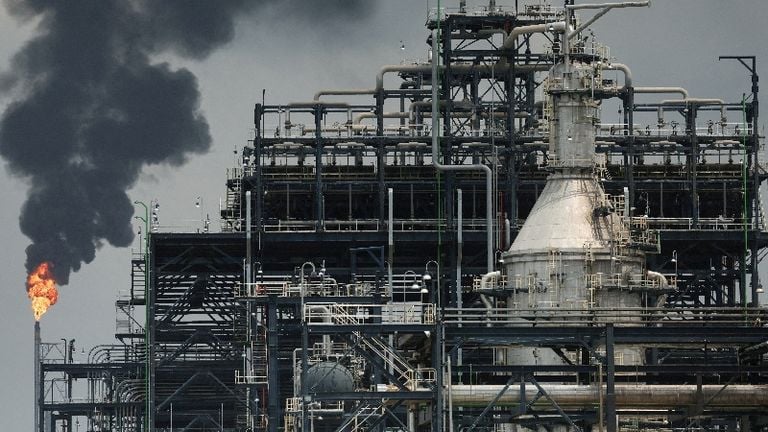
The case marks a resurgence of tensions nearly a year after the refinery withdrew a similar suit seeking to invalidate import licences issued to NNPC and several fuel traders.
Dangote Refinery argued in the new filing that the latest permits, issued this month, undermine its operations and breach provisions of Nigerian law, which it says only allow imports when the domestic fuel supply is insufficient.
Regulators and fuel marketers have consistently defended continued imports, arguing they remain necessary to guarantee adequate supply and prevent shortages in the country.
Nigeria’s fuel import reliance under scrutiny
Nigeria has long depended on imported petroleum products because of years of underperforming state-owned refineries. The $20 billion Dangote Refinery, with a capacity of 650,000 barrels per day, was widely expected to end that dependence and position the country as a net fuel supplier.
However, imports have persisted as the refinery gradually ramps up production and distribution capacity.
The renewed legal battle underscores broader tensions over market competition, pricing power, and control of fuel supply in one of Africa’s largest energy markets.
Meanwhile, the company has also rejected efforts by the Nigerian National Petroleum Company to increase its stake in the refinery ahead of the refinery’s planned public listing.