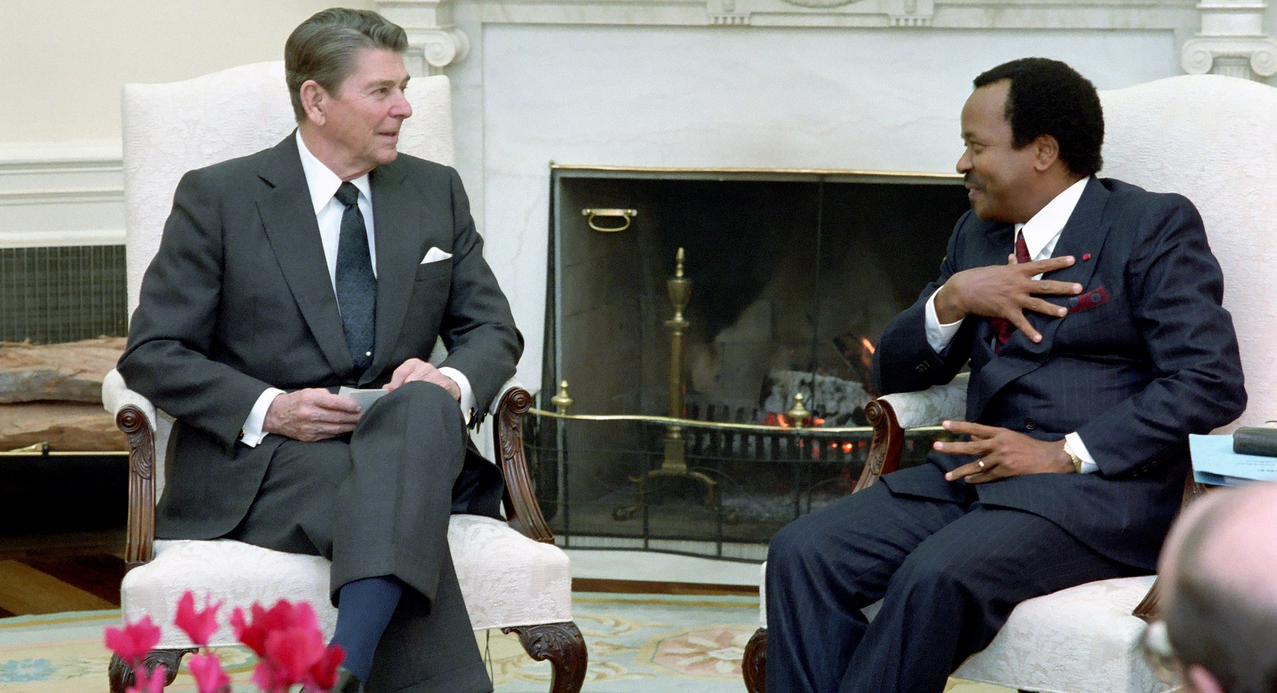
Dangote’s Legal Battle With the Nigerian Government Sparks Fresh Debate Over Fuel Imports
A fresh legal battle between the Dangote Group refinery and the Nigerian government is once again drawing attention to the future of Nigeria’s downstream oil sector, as tensions rise over the continued issuance of fuel import licences despite increasing local refining capacity. The lawsuit, filed by Dangote Petroleum Refinery at the Federal High Court in […]
 Black News
A fresh legal battle between the Dangote Group refinery and the Nigerian government is once again drawing attention to the future of Nigeria’s downstream oil sector, as tensions rise over the continued issuance of fuel import licences despite increasing local refining capacity.
The lawsuit, filed by Dangote Petroleum Refinery at the Federal High Court in Lagos, challenges the decision by the Nigerian Midstream and Downstream Petroleum Regulatory Authority (NMDPRA) to issue or renew petrol import licences to marketers and the Nigerian National Petroleum Company (NNPC). According to court filings, the refinery argues that the licences violate existing petroleum regulations and undermine local refining efforts.
The case represents another chapter in the ongoing dispute surrounding fuel importation in Nigeria. Dangote Refinery, which began operations in 2024 and has rapidly expanded production, maintains that Nigeria should reduce reliance on imported petrol now that domestic refining capacity has significantly improved. The company argues that fuel imports should only be permitted when local production cannot sufficiently meet national demand.
Industry data released earlier this year showed that the refinery was already supplying a substantial portion of Nigeria’s daily petrol consumption. Supporters of the refinery believe continued large-scale importation discourages local investment and weakens the country’s push for energy independence.
However, regulators and petroleum marketers strongly disagree.
Several downstream operators have defended the import licences, arguing that fuel imports remain necessary to guarantee nationwide supply stability and avoid shortages. The Depot and Petroleum Products Marketers Association of Nigeria (DAPPMAN) stated that the licences are legal under the Petroleum Industry Act and warned that removing them could destabilise the sector.
The lawsuit has also reignited wider conversations around competition and monopoly concerns within Nigeria’s oil sector. Critics argue that allowing only one major refinery to dominate supply could reduce market competition over time. Others believe Nigeria should prioritise protecting local refining investments after decades of dependence on imported fuel.
Online reactions have reflected this division. Some Nigerians see Dangote’s actions as an attempt to protect a major national investment capable of transforming the economy, while others worry about the influence a single refinery could have over fuel pricing and supply chains.
This is not the first clash between Dangote Refinery and regulators. In 2025, the company withdrew an earlier ₦100 billion lawsuit against fuel importers and regulatory agencies after tensions appeared to ease temporarily. The latest filing, however, suggests that disagreements over import policies remain unresolved.
The outcome of the case could have major implications for Nigeria’s energy future. Analysts believe the court’s decision may influence:
The future of fuel importation in Nigeria
Competition within the downstream oil market
Local refining investments
Fuel pricing dynamics
Government energy policy direction
For many observers, the legal dispute highlights a deeper national question: should Nigeria continue opening its fuel market to imports, or should it aggressively protect local refining capacity now that large-scale domestic production is finally becoming a reality?
As the case proceeds in court, stakeholders across the oil and gas industry will be watching closely, knowing that the outcome may shape Nigeria’s petroleum sector for years to come.