Despite rising military budgets, Africa is missing out on the $12.3bn defence-tech investment surge
Africa is missing out on the $12.3bn defence-tech investment surge even as rising military budgets across the continent drive greater demand for drones, AI-powered weapons systems and advanced battlefield software reshaping modern warfare.
 Black News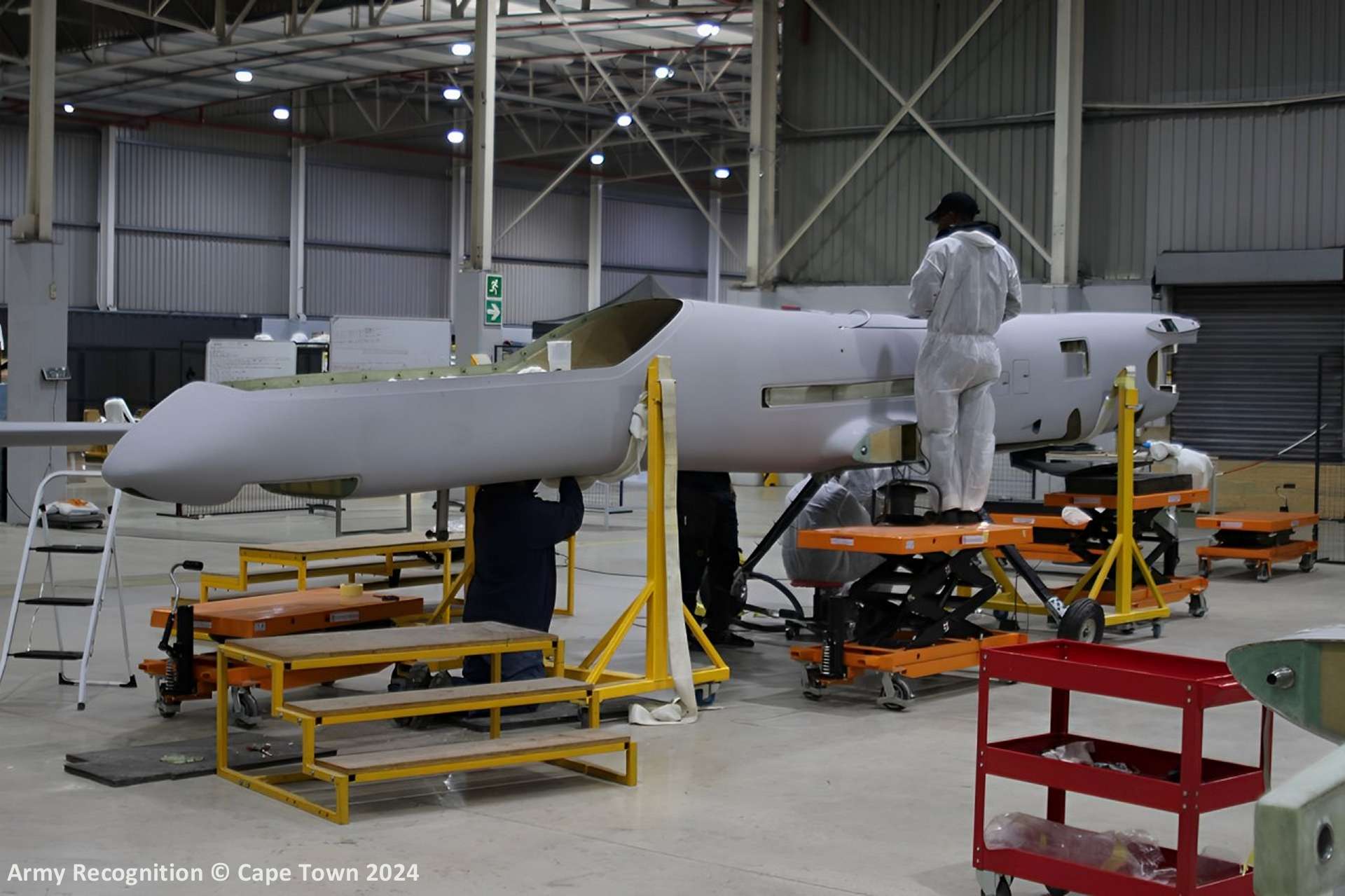

Africa is missing out on the $12.3bn defence-tech investment surge even as rising military budgets across the continent drive greater demand for drones, AI-powered weapons systems and advanced battlefield software reshaping modern warfare.
- Africa is missing out on the current $12.3bn global defence-tech investment surge, despite rising military budgets and demand for advanced technologies on the continent.
- Most of this investment is flowing into US and European firms, particularly in AI, drones, and battlefield software, with the US alone attracting $11.4 billion.
- African countries like Nigeria, Ethiopia, Morocco, and Kenya are major buyers of foreign defence technology, but they remain buyers rather than builders or innovators.
- South Africa is Africa’s most advanced defence producer, but its firms largely operate outside the cutting-edge, venture-capital-driven boom focused on AI and software.
Global conflicts are accelerating a major shift in military technology and triggering a surge in venture capital funding for defence-tech startups, reshaping how wars are fought and who captures the economic value behind them.
According to Financial Times data, defence-tech firms have raised about $12.3 billion in venture capital in the first half of 2026 alone, already surpassing the $9.95 billion recorded in all of 2025.
DON'T MISS THIS: Africa’s 5 most militarised economies spent over $33 billion on defence in 2025—here’s what they have in common
The funding is flowing heavily into artificial intelligence systems, autonomous drones, robotic naval platforms and battlefield software, technologies increasingly deployed in conflicts such as Ukraine and the Middle East.
The United States dominates this investment wave, accounting for roughly $11.4 billion of total inflows, led by firms such as Anduril Industries, which recently raised $5 billion at a valuation of about $61 billion.
As capital concentrates in a handful of US and European defence-tech companies, questions are emerging over Africa’s limited participation in both the financing and industrial development of next-generation warfare technologies.
Africa remains a buyer, not a builder in the global defence-tech boom
Despite rising military budgets across the continent, Africa remains largely absent from the global venture capital surge reshaping the defence industry.
Countries including Nigeria, Ethiopia, Morocco and Kenya are among Africa’s most active buyers of drones and surveillance systems, increasingly sourcing advanced hardware from China, Turkey and other external suppliers.
DON'T MISS THIS: African defence startup Terra raises $22m in two weeks, valuation tops $100m
However, while procurement is rising, the ownership, intellectual property and high-value production layers of the defence-tech economy are being built elsewhere.
South Africa remains the continent’s most advanced defence manufacturing base, with firms such as Denel, Paramount Group and Milkor exporting armoured vehicles and unmanned systems globally.
Yet these established players operate largely outside the venture capital ecosystem driving today’s defence-tech boom, which is increasingly focused on AI, autonomy and software-driven warfare rather than traditional hardware manufacturing.
A small but emerging exception is taking shape in West Africa. Nigerian defence-tech startup Terra Industries has raised $34 million in 2026 across two funding rounds led by 8VC and Lux Capital.
The company is building a 34,000-square-foot drone manufacturing facility in Ghana (Pax-2) which will be the largest of its kind on the continent.
DON'T MISS THIS: African military ranking 2025: Spending, effectiveness, and power beyond global firepower index
The facility is projected to produce up to 50,000 drones annually by 2028 and create around 120 engineering jobs, signalling early-stage industrialisation in Africa’s drone ecosystem.
Still, compared to US and European defence-tech startups raising billions in single funding rounds, Africa’s footprint remains marginal.
The result is a widening structural gap: African states are becoming increasingly important customers in the global defence-tech market, but remain largely excluded from the ownership, intellectual property and capital flows shaping the future of warfare.