
DRC orders suspension of mining activities, targeting foreign-backed operators in gold belt regions
The Democratic Republic of Congo has imposed a sweeping three-month suspension of mining activities in parts of South Kivu province, targeting operations in two key territories as authorities move to tighten control over the country’s strategic mineral supply chain.
 Black News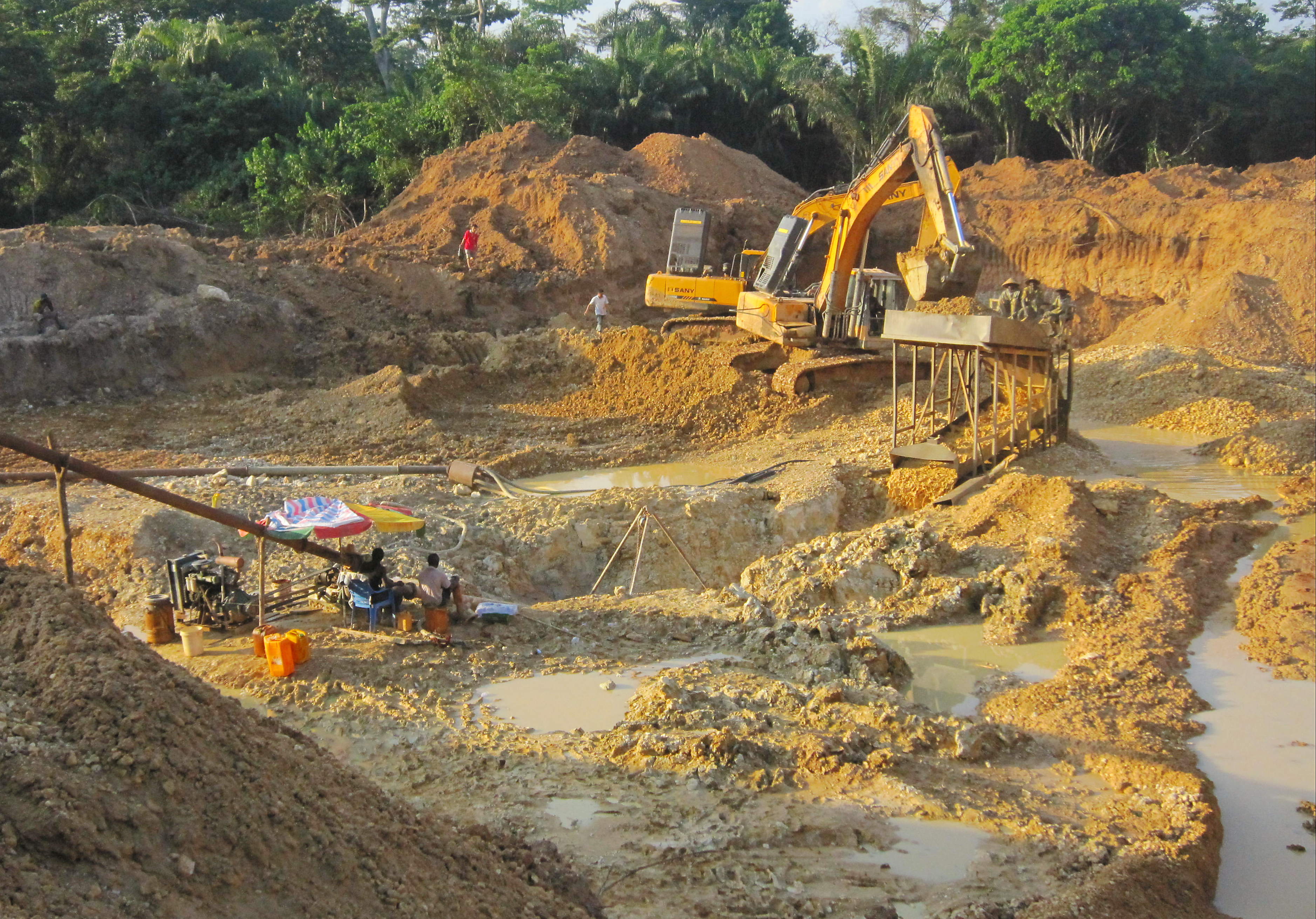
![DRC orders suspension of mining activities, targeting foreign-backed operators in gold belt regions [Photo by Amy Nip/South China Morning Post via Getty Images]](https://ocdn.eu/pulscms/MDA_/da0e334a75b4f07b65be79c64e3154ab.jpg)
The Democratic Republic of Congo has imposed a sweeping three-month suspension of mining activities in parts of South Kivu province, targeting operations in two key territories as authorities move to tighten control over the country’s strategic mineral supply chain.
- The DRC has imposed a three-month suspension of mining activities in parts of South Kivu, targeting key gold and coltan zones.
- The ban affects both industrial and artisanal operations in Mwenga and Shabunda, crucial territories within eastern Congo's mineral belt.
- Authorities cite security concerns and the need to combat illicit mineral flows fueling instability in the region.
- A special inspection mission will be deployed to enforce the suspension, verify operations, and identify illegal actors.
The directive, issued on 22 May 2026 by the Ministry of Mines and signed by Minister Louis Kabamba Watum, applies to industrial, semi-industrial and artisanal mining sites operating across gold and coltan-rich corridors in the eastern region.
The suspension applies specifically to Mwenga and Shabunda territories in South Kivu province, two of eastern Democratic Republic of Congo’s most important artisanal and semi-industrial mining zones.
DON'T MISS THIS: A $30 million mining deal in Congo shows how the US is racing China for Africa’s battery metals
Both areas sit within the country’s broader gold and coltan belt and are known for dense networks of industrial operators, cooperatives and informal miners feeding into regional mineral trading chains.
The government also pointed to security risks linked to uncontrolled mineral flows, warning that illicit revenues may be fuelling instability in eastern Congo.
Authorities further stressed the need to reinforce transparency and traceability systems in mineral exploitation, arguing that current enforcement gaps have enabled widespread irregular practices and weakened state control over production chains.

Special inspection mission deployed to enforce compliance
During the suspension period, a special control mission led by the General Inspectorate of Mines, alongside other state agencies, will be deployed to affected areas to verify the legality of mining operations, document violations, and identify individuals or entities involved in illegal extraction networks.
The team is also mandated to recommend corrective or coercive measures under national law.
The findings are expected to shape future regulatory actions once the moratorium ends, with officials signalling a tougher enforcement phase ahead.
By targeting these territories, the government is effectively tightening oversight in zones long associated with regulatory gaps, illicit extraction, and fragmented enforcement, making the suspension a significant intervention in one of the DRC’s most strategically important but challenging mining corridors.
DON'T MISS THIS: Congo launches new offensive against illegal cobalt mining with help from global firms
Officials say the decision is driven by rising concerns over illegal mining, fraud, and weak regulatory oversight, which have long plagued extraction activities in one of the world’s most resource-endowed but unstable mining zones.
While no companies were explicitly named in the decree, the suspension is expected to disrupt a wide network of operators, particularly semi-industrial gold producers and artisanal miners feeding into regional trading chains.
The move highlights Kinshasa’s broader push to formalise the mining sector and assert stronger state control over eastern Congo’s mineral wealth amid persistent governance and security challenges.












![Taylor Polidore Williams Says Indie Film ‘HPV: Her Pretty Vagina’ Is Bigger Than Entertainment: ‘I Knew It Was A Necessary Conversation’ [Exclusive]](https://bossip.com/wp-content/uploads/sites/28/2026/05/17794757122146.jpg?quality=80&strip=all&w=1024&crop=0,0,100,683px#)
