East African refinery plan gains momentum as Museveni meets Dangote, backs regional integration
Yoweri Museveni has thrown his support behind a proposed East African regional refinery project following talks with Aliko Dangote, signaling growing momentum for deeper energy cooperation and industrial integration across the region.
 Black News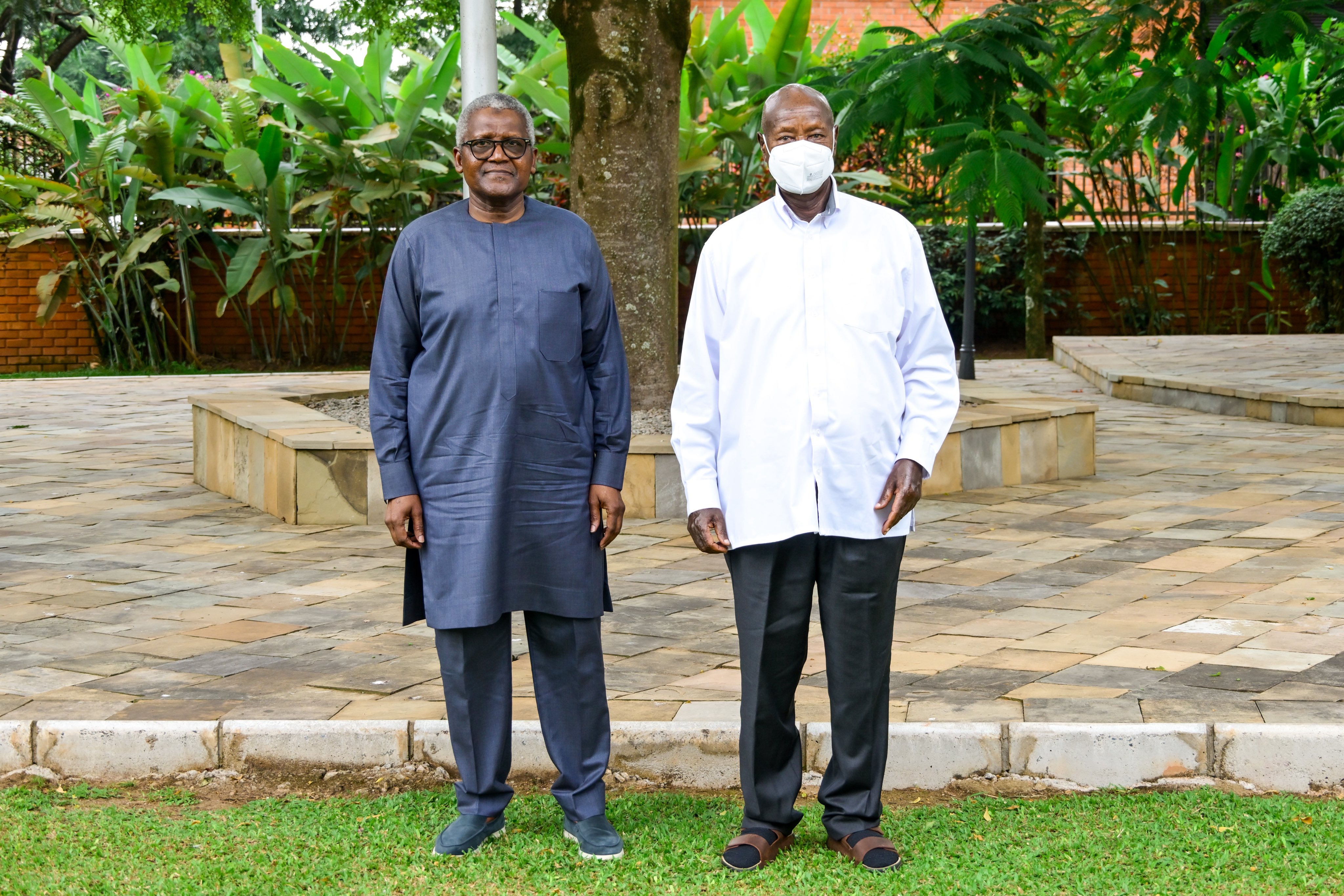

Yoweri Museveni has thrown his support behind a proposed East African regional refinery project following talks with Aliko Dangote, signaling growing momentum for deeper energy cooperation and industrial integration across the region.
- Ugandan President Yoweri Museveni backed a proposed East African regional oil refinery after meeting with Nigerian billionaire Aliko Dangote.
- Museveni emphasized adding value by refining oil locally rather than exporting crude, to maximize economic and strategic benefits for the region.
- He called for greater regional cooperation and market integration in East Africa, highlighting the importance of large-scale projects for shared prosperity.
- Kenya is positioned as a central player due to its established fuel logistics network and port infrastructure serving several neighboring countries.
In a tweet posted on X on May 17, 2026, Ugandan President Yoweri Museveni announced that he had met with Nigerian billionaire Aliko Dangote at Nakasero. He revealed that the meeting centered around the development of a proposed regional oil refinery in East Africa.
During the meeting, the president explained that his primary focus remains on value addition. He detailed why Uganda has historically refrained from exporting raw crude oil, arguing that doing so allows foreign entities to exploit the country's natural resources and reap the financial rewards of refined products.
"Without refining our oil, it would not make economic or strategic sense to simply export crude oil while others benefit from the finished products," Museveni stated.
The president expressed strong support for a larger regional refinery, describing it as a crucial step toward "African integration and shared prosperity."
He further emphasized that East African nations must move past an individualistic mindset and overcome fragmented markets, urging regional cooperation to execute large-scale projects that benefit the entire populace.
"We cannot continue operating as fragmented and weak markets," Museveni wrote. "If East Africa works together, such projects become more viable and beneficial to our people."
He concluded his message by noting that Uganda remains committed to its domestic energy goals alongside this new venture: "Uganda is ready to support the regional refinery initiative while also continuing with the development of our own refinery in Hoima."
Why Kenya is central to East Africa’s refinery ambitions
Aliko Dangote has in recent years expressed interest in expanding refining and energy investments beyond Nigeria, with discussions increasingly centered on East Africa as the region seeks to reduce its dependence on imported petroleum products.
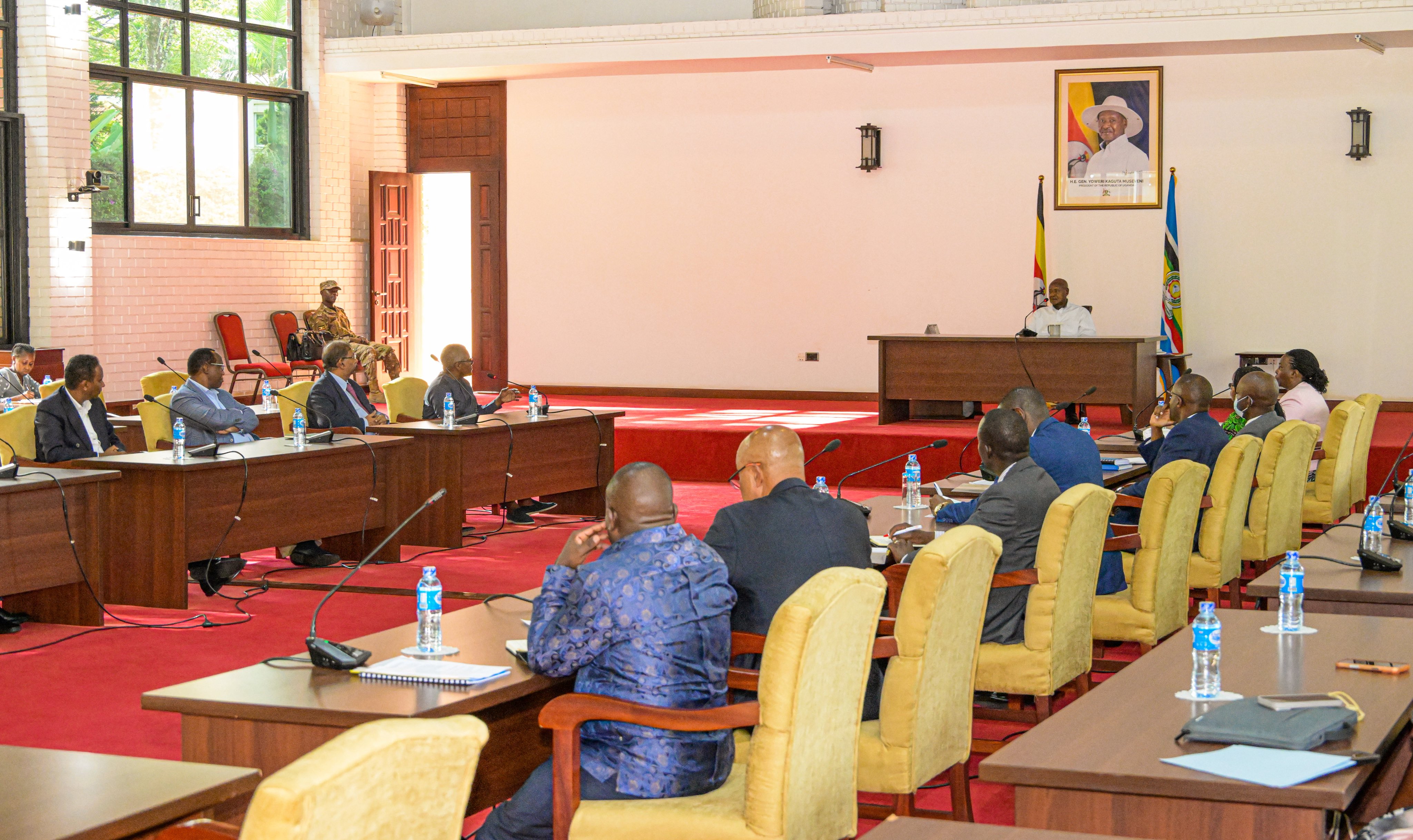
The proposal discussed with Yoweri Museveni aligns with broader regional ambitions to build integrated energy infrastructure capable of serving multiple East African markets rather than relying on fragmented national supply chains.
Among East African countries, Kenya stands out as a strategic player due to its position as the region’s largest fuel import and logistics hub.
The country hosts key infrastructure assets including the Port of Mombasa, extensive fuel storage networks, and pipeline systems that distribute petroleum products to neighboring countries such as Uganda, Rwanda, South Sudan, and parts of eastern Democratic Republic of the Congo.
Mixed Reactions Online
The president's announcement quickly elicited mixed reactions from Ugandans and the wider African community on social media.
While some netizens applauded the initiative for prioritizing regional development and energy security, many others expressed skepticism.
Critics argued that pursuing a massive regional refinery while a domestic refinery project in Hoima is already underway could be counterproductive and confusing.
Others raised concerns over foreign influence and questioned the transparency of the deal, noting that the president failed to reveal specific details regarding Uganda’s equity share in the venture.
Additionally, several commenters pointed to systemic corruption within the East African nation, warning that large-scale infrastructure projects like this would fail to deliver real economic benefits to citizens unless internal governance issues are addressed first.
Victor Awogbemila