Ghana joins Egypt and Côte d’Ivoire as Africa’s biggest IMF borrowers in 2026
Ghana has retained its position as Africa’s fourth-largest debtor to the International Monetary Fund, with its obligations to the lender rising to 2.72 billion Special Drawing Rights, equivalent to about $3.74 billion at current IMF exchange rates.
 Black News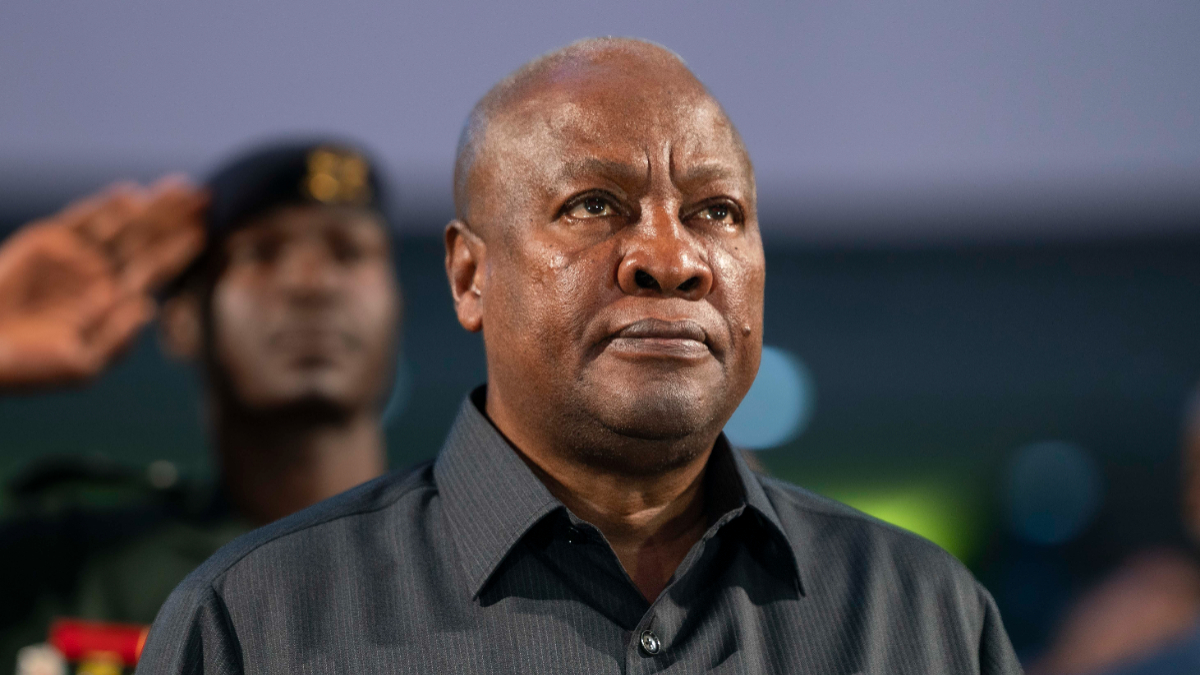
![John Dramani Mahama, President of the Republic of Ghana. [Photo by Ernest Ankomah/Getty Images]](https://ocdn.eu/pulscms/MDA_/d5ff23b4e5e81e4e5a3e83d5c5cbc273.jpg)
Ghana has retained its position as Africa’s fourth-largest debtor to the International Monetary Fund, with its obligations to the lender rising to 2.72 billion Special Drawing Rights, equivalent to about $3.74 billion at current IMF exchange rates.
- Ghana has retained its position as Africa’s fourth-largest debtor to the IMF, with its obligations rising to about $3.74 billion.
- The increase follows additional inflows under the country’s Extended Credit Facility programme.
- The IMF praised Ghana’s improving debt trajectory but warned reforms must continue to sustain gains.
- Government figures also showed Ghana’s debt-to-GDP ratio declined sharply in 2025.
The figure marks an increase from the 1.96 billion SDR recorded in January 2026, reflecting additional disbursements received under the country’s Extended Credit Facility programme.
Among African economies, Egypt remains the IMF’s largest borrower, owing 7.24 billion SDR. Côte d'Ivoire follows with 3.60 billion SDR, while Kenya, Angola and the Democratic Republic of the Congo also rank among the continent’s largest debtors to the Washington-based lender.
The IMF said on 15 May that it had completed its 2026 Article IV consultation with Ghana and reached a staff-level agreement on the sixth review of the country’s Extended Credit Facility arrangement, as well as a new 36-month Policy Coordination Instrument request.
The Fund said Ghana’s improving debt trajectory had created “fiscal space to advance development objectives while preserving hard-won stabilisation gains”. However, it cautioned that progress depended on “strong implementation” of public financial management and structural reforms to contain risks associated with contingent liabilities.
Government data showed Ghana’s total public debt stock fell to GH¢641 billion at the end of 2025, down from GH¢726.7 billion a year earlier. The country’s debt-to-GDP ratio also declined to 45.3% from 61.8% in 2024.