Egypt hits biggest oil and gas jackpot in 15 years with massive desert discovery
Egypt recently made public its most significant discovery of oil and gas reserves within its desert regions in the past 15 years.
 Black News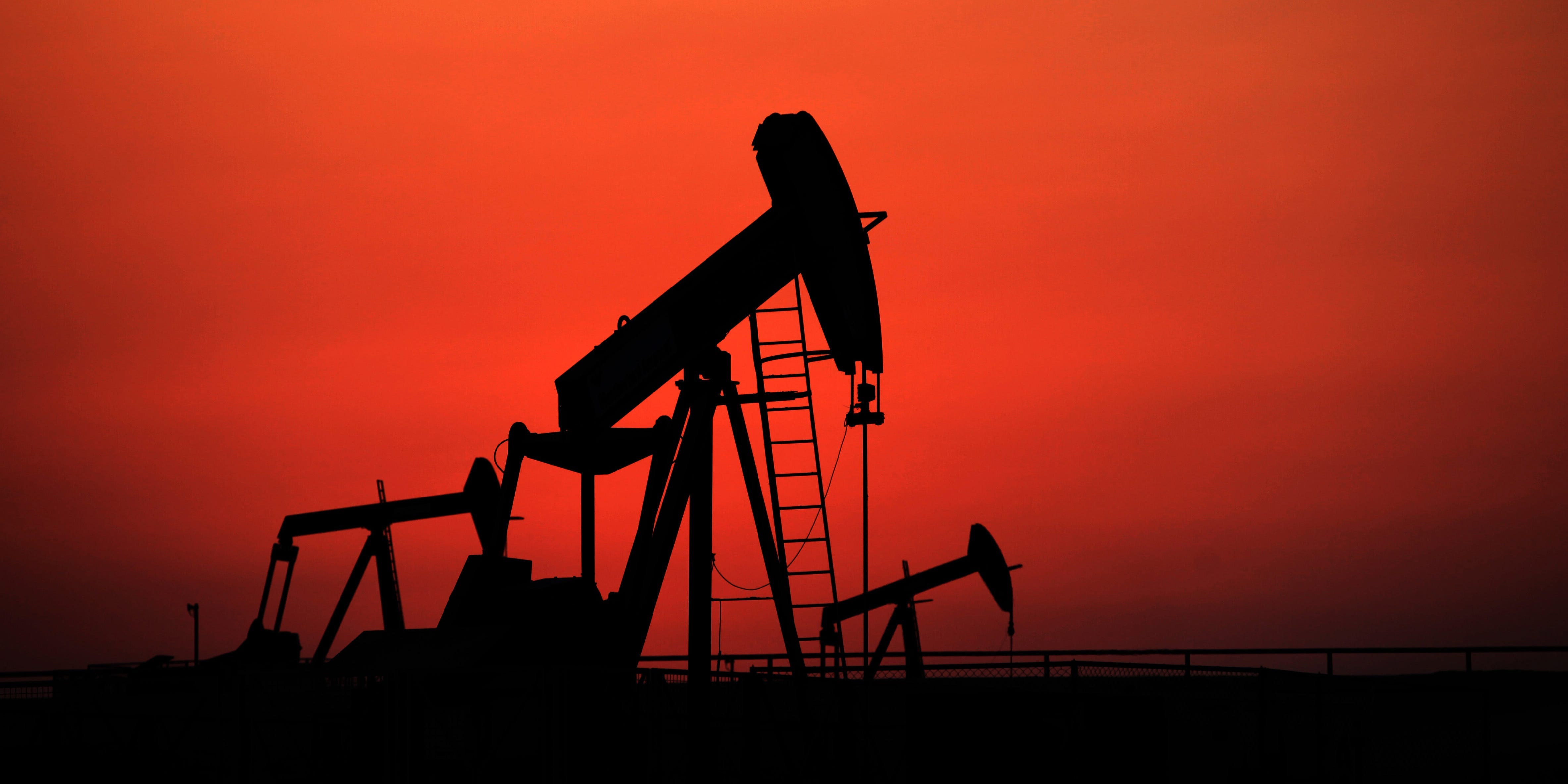
Egypt recently made public its most significant discovery of oil and gas reserves within its desert regions in the past 15 years.
- Egypt announced its largest oil and gas discovery in 15 years, found in the Western Desert through the Bustan South-1X well.
- The discovery is close to existing infrastructure, expected to lower development costs and speed up integration into the energy network.
- Initial evaluations estimate reserves at 70 million barrels of oil equivalent, including 330 billion cubic feet of gas and 10 million barrels of oil and condensate.
- This comes amid a series of recent energy finds in both Egypt’s Western Desert and offshore Mediterranean, highlighting the country's growing energy potential.
The discovery was made through the Bustan South-1X exploratory well, which was drilled by Agiba Petroleum, a joint venture between Egyptian General Petroleum Corporation and Eni, with the Egyptian Drilling Company's EDC-9 rig.
Agiba has been especially active in the Western Desert, where a succession of successful drilling projects over the last two years has helped boost crude production to around 32,000 barrels per day, the highest level in three years.
DON'T MISS THIS: Egypt launches an ambitious $15 billion plan to create 2 million jobs in the desert via a farm
Officials emphasized the latest find's advantageous position, adding that it is only 10 kilometers from existing pipelines and production infrastructure.
This proximity is projected to drastically cut development costs and speed up integration into Egypt's current energy network.
Announced by Egypt's Ministry of Petroleum and Mineral Resources, the find is being billed as a significant boost to the country's energy objectives and a new signal to international investors at a time when global energy markets remain very uncertain.
The ministry also noted that the latest success demonstrates the effectiveness of new incentives designed to attract multinational energy corporations.
These policies are intended to stimulate exploration near existing fields, resulting in quicker production schedules and more cost-effective development.
Initial evaluations indicate that the field holds around 330 billion cubic feet of natural gas, as well as an estimated 10 million barrels of condensate and crude oil.
The reserves are estimated to hold almost 70 million barrels of oil equivalent, the National News reports.
The discovery adds to Egypt's recent string of energy breakthroughs.
The announcement comes as geopolitical concerns, particularly those involving Iran, continue to shake global oil and gas markets.
Energy prices have risen dramatically due to supply worries, making it more urgent for producing nations such as Egypt to increase output and ensure energy security.
Egypt’s recent desert discoveries
![Shell Gas refinery, Western Desert, Egypt. [Photo by Giles Barnard/Construction Photography/Avalon/Getty Images]](https://ocdn.eu/pulscms/MDA_/8daa867b33c693e9c110148b9745c4a7.jpg)
Earlier this year, Eni revealed another significant gas discovery offshore in the Mediterranean, expected to hold over two trillion cubic feet of gas and 130 million barrels of related condensates.
Egypt, in partnership with the U.S.-based energy firm, Apache Corporation, announced in March of this year the discovery of natural gas in its Western Desert.
The country’s Ministry of Petroleum and Mineral Resources revealed that the gas reserves have an expected output of approximately 26 million cubic feet of gas per day, and an estimated 2,700 barrels of condensate.
In November of 2025, the Petroleum and Mineral Resources Authority announced that Khalda Petroleum Company struck gas at the exploratory well Gomana-1, with electrical logs confirming gas-bearing zones.
Initial tests indicate a production rate of approximately 36 million cubic feet per day (mcf/d).
In June of the same year, the Egyptian General Petroleum Corporation (EGPC) announced an oil and gas discovery in the Abu Sennan brownfield in Egypt’s Western Desert.
According to the Ministry, early test results from the GPR-1X well show promising outputs, up to 1,400 barrels of crude oil and one million cubic feet of gas per day from the Bahariya formation.