What Saint Lucia’s new youth policy promises young people
The 2025-2030 National Youth Policy is now in effect, and officials say they are working with partner agencies to put plans into action. “We’re meeting with all the agencies, both government and NGOs, so we can map out what is the role in ensuring that this policy is brought to action. It’s not just a […] The article What Saint Lucia’s new youth policy promises young people is from St. Lucia Times.
 Black News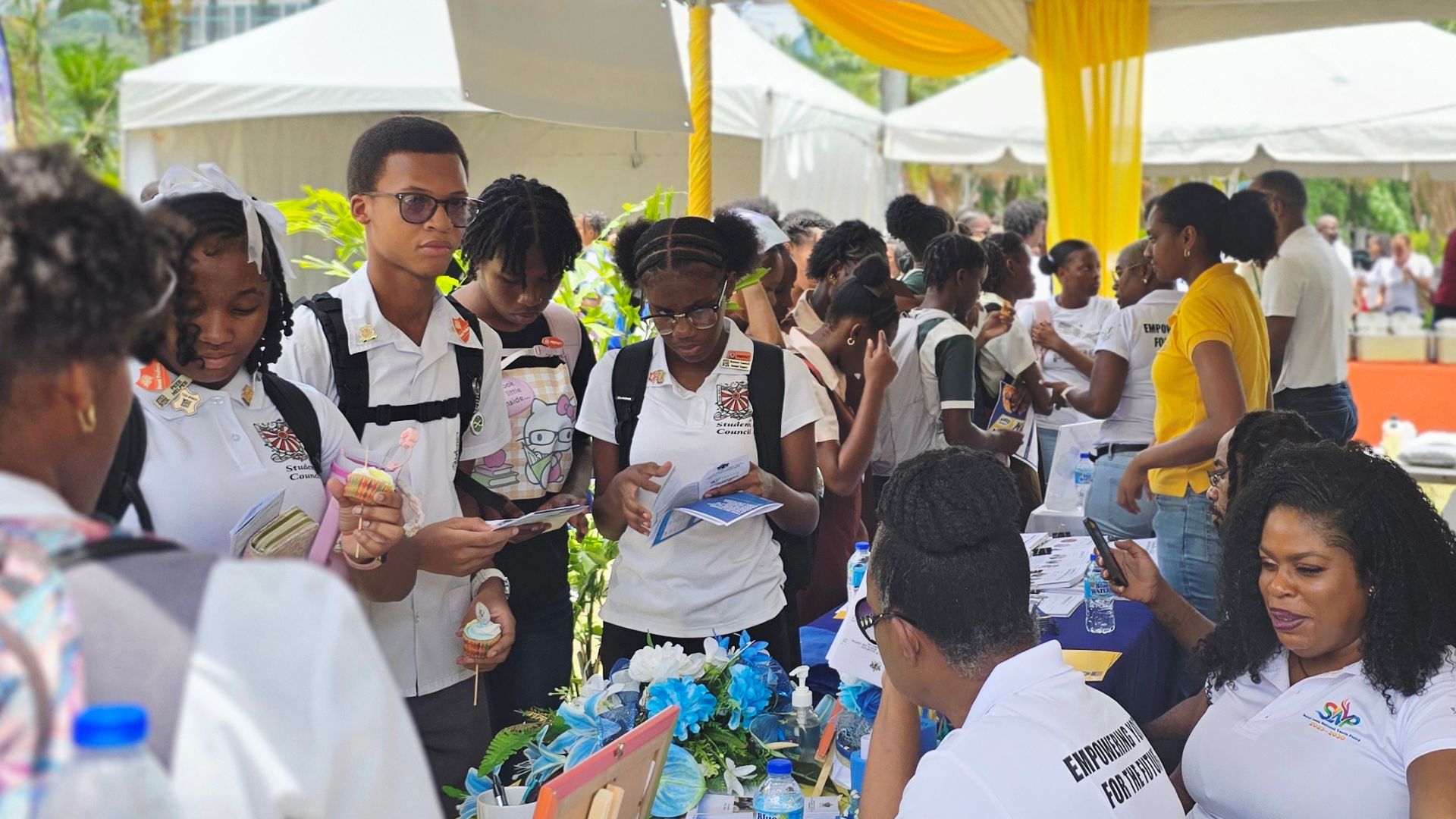

The 2025-2030 National Youth Policy is now in effect, and officials say they are working with partner agencies to put plans into action.
“We’re meeting with all the agencies, both government and NGOs, so we can map out what is the role in ensuring that this policy is brought to action. It’s not just a document, but collective action to really change the lives of young people for the better,” Youth Development Officer Jonathan Chalon told St Lucia Times.
Saint Lucia first tried to create a National Youth Policy to 1987, and a draft was made in 2000. The current administration formally backed the policy’s implementation in 2025.
“This government felt it was, you know, very important to put youth front and centre in what they do, and they’ve approved our national youth policy,” Chalon said.

The policy focuses on eight main areas: education and lifelong learning, economic participation, health and well-being, peace and security, democracy and citzenship; ICT and mass media, climate change, and making youth priorities a part of all sectors.. (Further details available below)
The government says the goal of the policy is to “ensure young people have the opportunities and access they need to grow, learn, achieve, and transition into healthy and happy adults”.
TVET Officer within the Ministry of Education, Shanez Narcisse-Clipa, said she believes technical and vocational education training will help the policy suceed by filling a gap that the previous system lacked.
“What was happening is children were leaving with CXCs and were not ready for work,” she told St Lucia Times during the official policy launch at Derek Walcott Square.
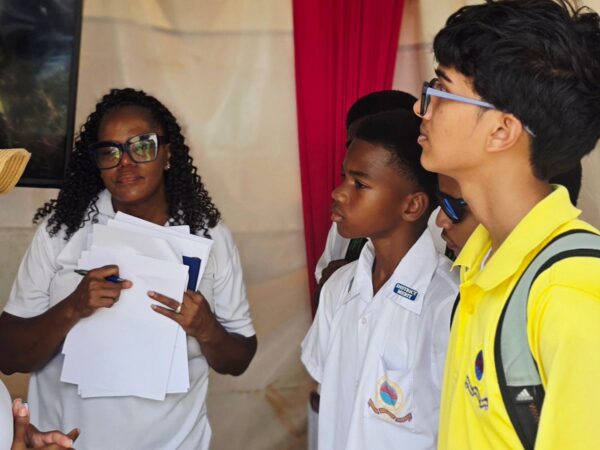
TVET training lets students earn qualifications such as the Caribbean Vocational Qualifications (CVQs) and gain real work experience in areas including graphic design, traditional folk form dance, carpentry, general construction, crop production and furniture making.
Even though some people have questioned TVET programmes since they started 26 years ago, saying secondary school might be too early for job skills training, Narcisse-Clipa says the Youth Policy will continue to offer more options for youth through TVET in schools and through new TVET institutions that began in Saint Lucia in 2023. She also says these programmes aim to give young people skills that can help fill job gaps both in the region and abroad.
Kimdell Eugene, a young educator, told St Lucia Times at the launch that although he had not yet become fully familiar with the contents of the National Youth Policy, he thinks one urgent issue is raising awareness of the challenges that artificial intelligence could pose. “I think it’s important that more people are sensitised on the challenges that artificial intelligence might pose for students and for young people in general,” he said. “What are the disadvantages, the advantages, the bigger picture, because I can see how it could lead young people down a rabbit hole.”
Chalon said implementation of the youth policy will remain under close review to ensure it benefits young people.
“We actively have a monitoring and evaluation plan to see how those services are working, and we’ve enlisted the support of CARICOM, so they’ve sent down a team which is providing support…,” he explained.
He said the ideal outcome would be for different agencies to work together, allowing officials to track youth services across sectors while ensuring the goals are met.
Pillars in the National Youth Policy include:
Education and Lifelong Learning
Ensuring youth have access to quality, continuous education, with emphasis on both formal education and non-formal learning, such as workshops and mentorship. Strategies include increasing access to technical and vocational training programmes, providing scholarship support, and strengthening digital literacy.
Economic Participation
Creating opportunities for youth participation in the economy through employment and entrepreneurship. Strategies include startup support, facilitating job placements, supporting youth-led business grants and entrepreneurial training.
Health and Well-being
Promoting the physical, mental and emotional well-being of youth through strategies such as increased access to mental health support, reproductive health education, encouraging active lifestyles and providing safe spaces for youth expression.
Safety, Security and Peaceful Co-existence
Creating safe environments for youth through strategies including violence prevention and conflict resolution programmes, promotion of restorative justice, engagement in crime prevention initiatives and strengthening community-based programmes.
Participation, Rights and Empowered Citizenship
Ensuring youth are involved in decision-making processes and understand their rights through strategies such as the establishment of youth councils, advocacy training, increased youth participation in governance and support for volunteerism.
Information and Communication Technologies and Mass Media
Supporting youth engagement in digital spaces through strategies such as digital skills training, support for youth in digital entrepreneurship and content creation, and increased access to technology.
Environment, Climate Change and Disaster Risk Reduction
Encouraging youth to play an active role in environmental protection and climate response through strategies such as youth-led environmental initiatives, climate education and support for sustainable practices like recycling.
Mainstreaming Youth Priorities Across All Sectors
Ensuring youth development is integrated into national policy and planning, making youth a central focus of development efforts through strategies such as incorporating youth perspectives across policy areas, ensuring data-driven youth planning and promoting approaches inclusive of marginalised youth groups.
The article What Saint Lucia’s new youth policy promises young people is from St. Lucia Times.