Eskom threatens Johannesburg blackout over $408 million unpaid electricity debt
South Africa’s state-owned power utility Eskom has threatened to reduce or cut electricity supply to parts of Johannesburg after accusing the country’s biggest city of failing to pay billions of rand owed for bulk electricity purchases, reopening a politically sensitive battle that could shake confidence in Africa’s most industrialised economy.
 Black News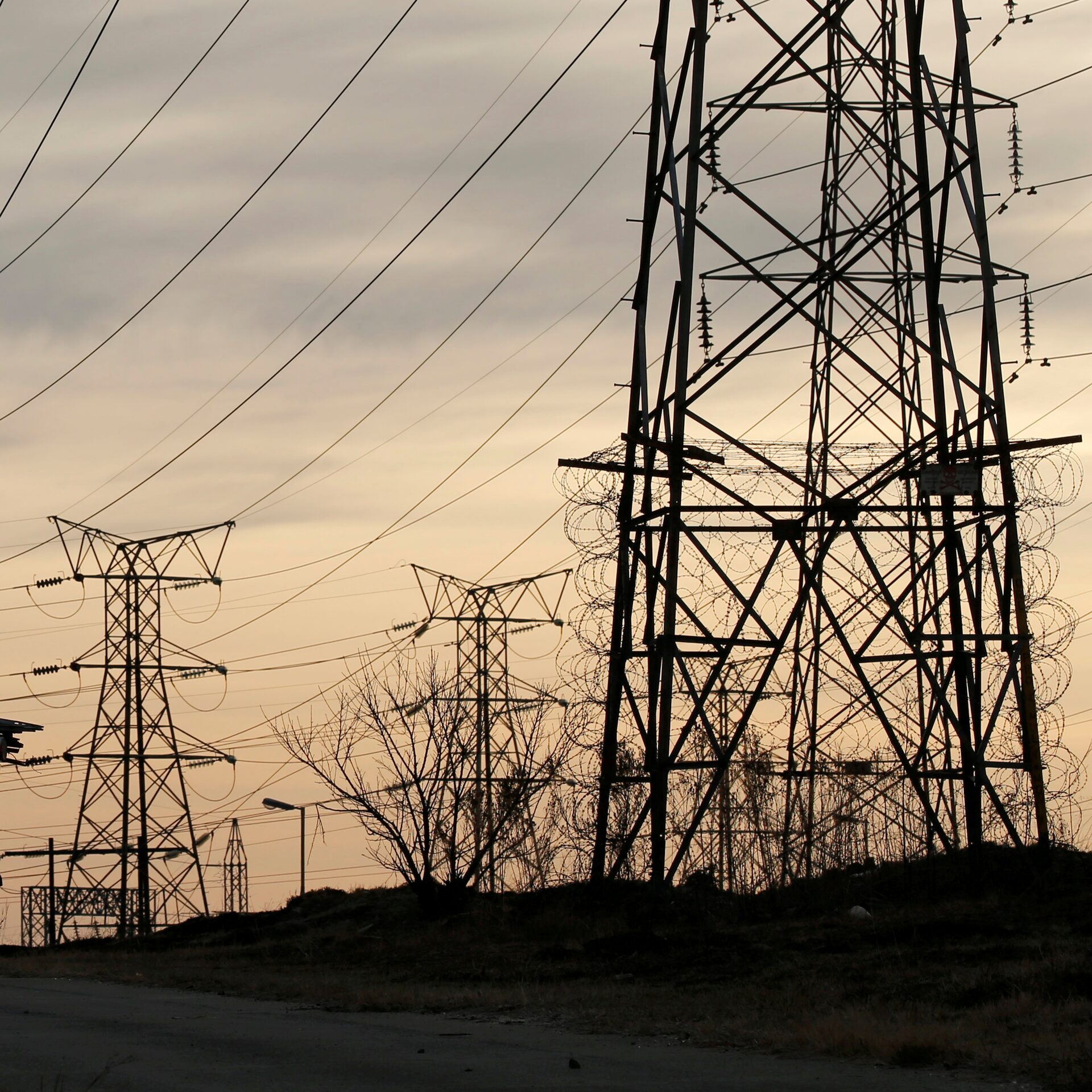

South Africa’s state-owned power utility Eskom has threatened to reduce or cut electricity supply to parts of Johannesburg after accusing the country’s biggest city of failing to pay billions of rand owed for bulk electricity purchases, reopening a politically sensitive battle that could shake confidence in Africa’s most industrialised economy.
- Eskom has warned it could cut electricity supply to parts of Johannesburg after the city’s unpaid power bill climbed to nearly R6.8 billion ($408 million).
- The standoff puts fresh pressure on South Africa’s commercial capital, which is already facing growing scrutiny over deteriorating finances and service delivery failures.
- The dispute also exposes the wider crisis of municipal debt threatening Eskom’s recovery after years of rolling blackouts.
- Analysts warn any disruption in Johannesburg could hit businesses, investors and Africa’s most industrialised economy.
In a sharply worded notice issued Tuesday, Eskom said the City of Johannesburg and its municipal distributor, City Power, owe a combined R6.8 billion ($408 million), including arrears of R5.25 billion and another R1.58 billion due by June 5.
The utility said repeated attempts over the past two years to help the city stabilise repayments had failed.
“As a result of continued failure to honour its Electricity Supply Agreement with Eskom, including repeated defaults, Eskom has been forced to issue a notice of its intention to reduce, interrupt and/or terminate the supply of electricity to certain bulk supply points,” the company said.
The warning lands at a delicate moment for Johannesburg, South Africa’s financial and commercial hub, which contributes roughly 16% of the country’s GDP and hosts the headquarters of major African banks, mining houses and multinational companies.
Any serious disruption to electricity supply in the metro would likely ripple through sectors already strained by weak economic growth, logistics bottlenecks and years of energy instability.
The latest standoff also comes as scrutiny intensifies over Johannesburg’s worsening finances.
South Africa’s National Treasury recently raised concerns about the city’s fiscal position, while local media reported details of a leaked letter from Finance Minister Enoch Godongwana to Mayor Dada Morero warning about governance, debt and service delivery pressures.
The timing is politically awkward for Morero, who is expected to outline the city’s recovery plans during his State of the City Address.
For Eskom, the dispute reflects a deeper national problem that has become one of the biggest threats to the utility’s fragile turnaround.
Municipalities across South Africa collectively owe Eskom tens of billions of rand, with many struggling to collect revenue, maintain infrastructure and pay for electricity supplied to residents and businesses.
Eskom accused Johannesburg authorities of collecting money from electricity users without transferring the utility’s share.
“COJ/CP is collecting electricity revenue but failing to pay over Eskom’s share,” the utility said.
The company added that rising municipal debt undermines efforts to rebuild its finances after years of crisis, warning that the burden ultimately falls on ordinary South Africans through higher tariffs and pressure on public finances.
For more than a decade, Eskom was at the centre of South Africa’s energy crisis as ageing coal-fired plants, corruption scandals and operational failures triggered rolling blackouts known locally as load shedding.
The outages cost the economy billions of dollars, weakened investor confidence and slowed industrial output.
Conditions have improved over the past year following aggressive maintenance, better plant performance and government financial support.
In 2025, Eskom reported its first annual profit in eight years, a symbolic milestone for a utility once seen as one of the country’s biggest economic risks.
But analysts say the recovery remains fragile, particularly as municipal debt continues to climb.
The Johannesburg dispute echoes an earlier confrontation in late 2024 when Eskom threatened similar supply cuts over roughly R6.3 billion ($378 million) in unpaid and pending bills.
At the time, the city fought back, accusing Eskom of overbilling it by around R3.4 billion ($204 million). The disagreement escalated to the point where Electricity Minister Kgosientsho Ramokgopa had to intervene.
To reduce future defaults, Eskom has increasingly pushed municipalities into Distribution Agency Agreements, long-term arrangements allowing the utility to manage functions such as billing, smart meter installation, revenue collection and parts of electricity distribution.
Earlier this month, Eskom said nine municipalities had already approved resolutions supporting the agreements.