EU commits $256 million as Africa’s Sahel and Nigeria face deepening food and displacement crises
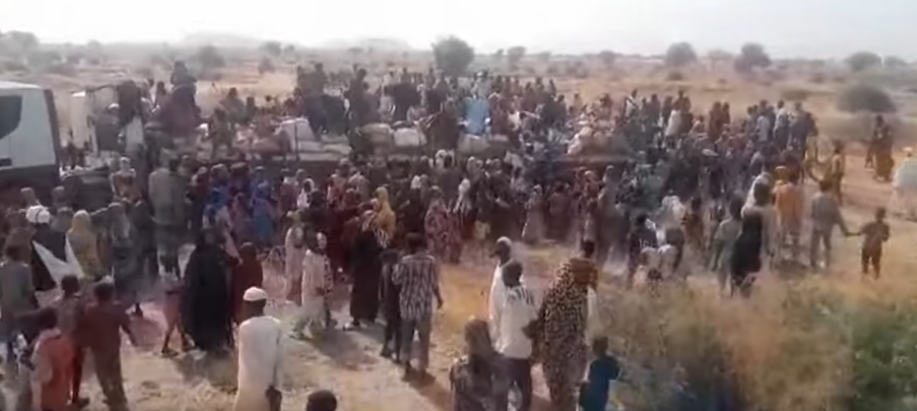
The European Commission has announced €235 million (about $256 million) in new humanitarian assistance for West and Central Africa, as worsening conflict, food insecurity, and climate shocks continue to deepen needs across the region.
 Black News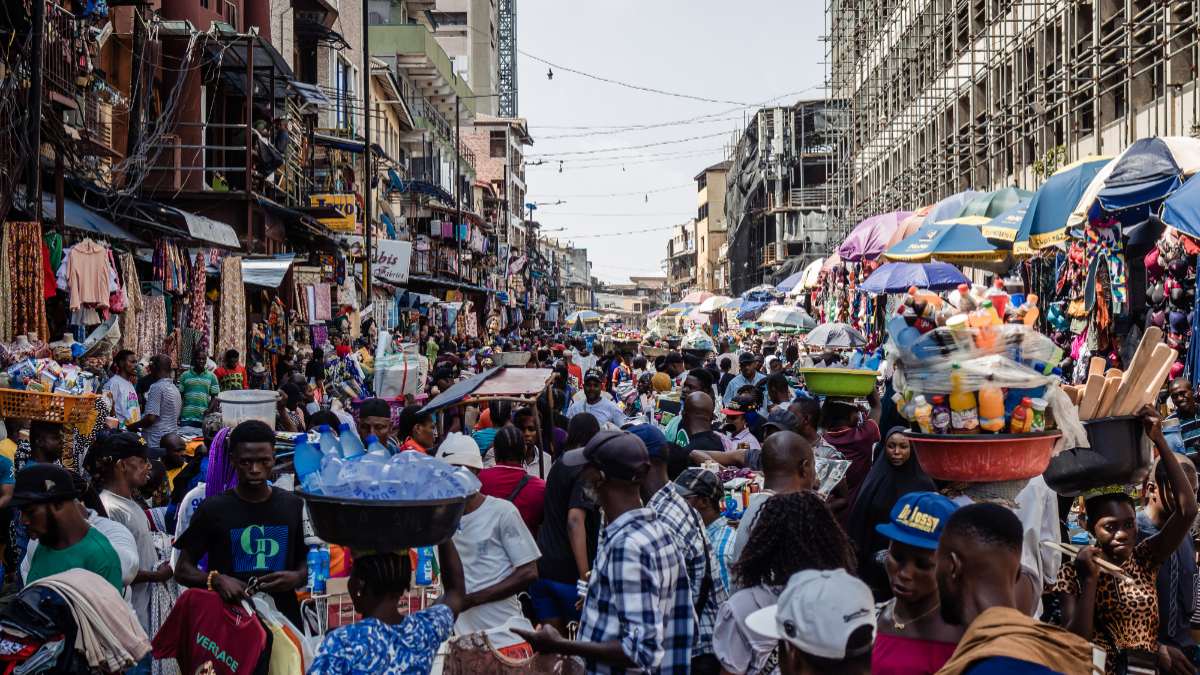
![Shoppers and traders in a congested street market in Lagos, Nigeria, on Monday, July 17, 2023. [Benson Ibeabuchi/Bloomberg via Getty Images]](https://ocdn.eu/pulscms/MDA_/c3d9307e628d563f400ef09eee9e7c79.jpg)
The European Commission has announced €235 million (about $256 million) in new humanitarian assistance for West and Central Africa, as worsening conflict, food insecurity, and climate shocks continue to deepen needs across the region.
- The European Commission has approved $256 million in new humanitarian aid for West and Central Africa.
- The funding targets escalating food insecurity, conflict-driven displacement and climate-related shocks across multiple countries.
- Major allocations include support for the Central Sahel, Nigeria, Chad, Cameroon and the Central African Republic.
- The package also extends to coastal West African states and regional emergency response programmes.
The funding will support emergency food aid, health and nutrition services, protection programmes, shelter, water and sanitation, and education in emergencies for displaced people, host communities and populations in hard-to-reach areas.
A significant share of the package is directed at the Central Sahel, which will receive €75 million (about $82 million). The region, where more than 12.4 million people require humanitarian assistance, continues to face intensifying conflict and displacement.
EU support will prioritise life-saving interventions, including food assistance, healthcare, nutrition, and emergency education, as well as disaster preparedness and logistical support for humanitarian operations.
In Cameroon, €16.6 million (around $18.1 million) has been allocated to support nearly 3 million people in need, including 2.2 million forcibly displaced individuals. Assistance will focus on food security, health, nutrition, protection services and access to water and sanitation.
The Central African Republic will receive €22 million (about $24 million) to fund multi-sectoral aid, including food support, livelihoods, education in emergencies, healthcare and protection. The country is currently home to more than 35,000 Sudanese refugees and thousands of returnees, as spillover from regional conflicts continues to strain already limited resources.
Sahel, Nigeria and Chad receive largest share of humanitarian funding
Chad, which has become a major destination for people fleeing the Sudan crisis, will receive more than €72 million (around $78.5 million). Since April 2023, the country has taken in over 919,000 Sudanese refugees and nearly 390,000 Chadian returnees.
EU funding will support essential services such as shelter, water and sanitation, protection, and food assistance, particularly in eastern regions and the Lake Chad Basin.
Mauritania has been allocated €4.8 million (about $5.2 million) to assist over 400,000 refugees and asylum seekers, mainly from Mali, as well as vulnerable host communities. The funding will support food aid, shelter, water and sanitation, protection and disaster preparedness.
Nigeria will receive €33 million (around $36 million) to address what officials describe as one of the country’s most severe food and nutrition crises in recent years. Nearly 35 million people require emergency food assistance, while 6.4 million children are acutely malnourished, including 2 million considered to be in a life-threatening condition. The support will target health and nutrition services, food assistance, education in emergencies and WASH interventions in the North East and North West.
An additional €6 million (about $6.5 million) will be directed to coastal West African countries, including Benin, Côte d’Ivoire, Ghana and Togo, where insecurity and displacement continue to rise. A further €6.4 million (around $7 million) will support regional humanitarian initiatives.
Drive for urgent response
EU Commissioner for Equality, Preparedness and Crisis Management, Hadja Lahbib, said the scale of overlapping crises required sustained international engagement.
“West and Central Africa is facing a storm of humanitarian crises, driven by conflict, poverty, hunger, instability, and climate shocks,” she said, adding that for millions, aid represents “food on the table, clean water, medicine, shelter, and a chance for their children to learn again.”
She reaffirmed the EU’s commitment to remain a “reliable and principled humanitarian partner” in the region.
Across West and Central Africa, conflict dynamics, climate pressures, and governance challenges continue to converge, with the Central Sahel and the Lake Chad Basin remaining the epicentres of displacement, while spillover effects are increasingly felt in coastal states and neighbouring countries.