Every Evening, This Corner of Trinidad Fills With Bright Red Birds, Crimson Skies, and One of the Caribbean’s Great Wildlife Shows
At 5:47 p.m., they start to appear. Within a minute or two. First one bird. Then a handful more. Then long flashes of pink and crimson over the mangroves as the scarlet ibis return to Trinidad’s Caroni Swamp for the night. Within minutes, entire mangrove islands turn red. It’s one of the Caribbean’s most remarkable […] The post Every Evening, This Corner of Trinidad Fills With Bright Red Birds, Crimson Skies, and One of the Caribbean’s Great Wildlife Shows appeared first on Caribbean Journal.
 Black News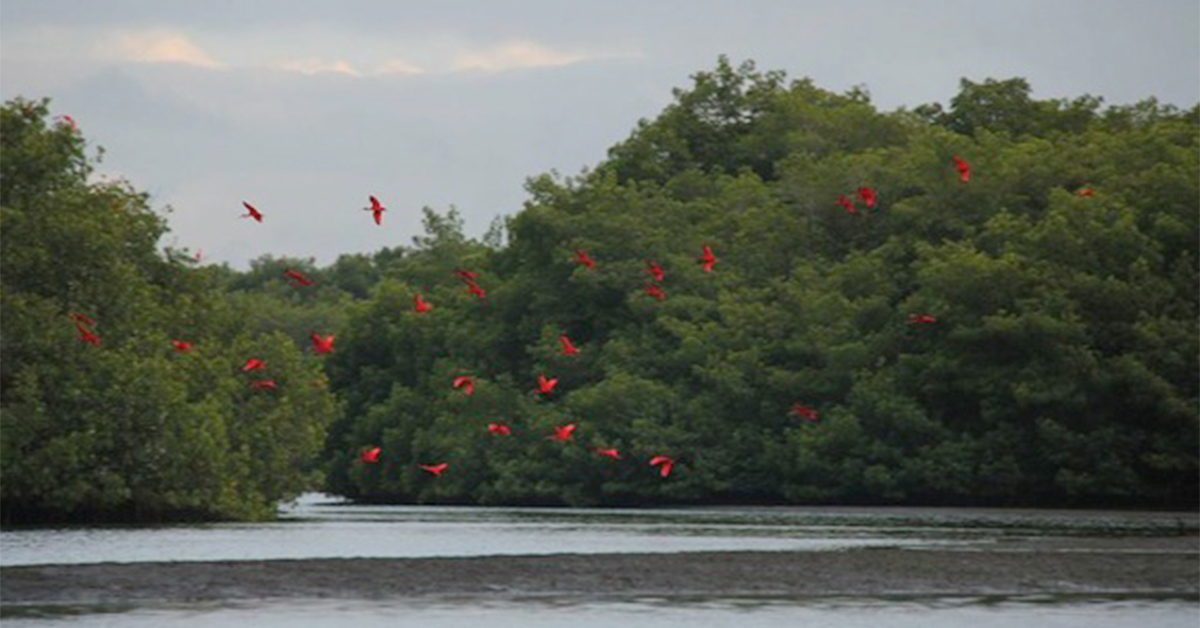
At 5:47 p.m., they start to appear. Within a minute or two.
First one bird. Then a handful more. Then long flashes of pink and crimson over the mangroves as the scarlet ibis return to Trinidad’s Caroni Swamp for the night. Within minutes, entire mangrove islands turn red.
It’s one of the Caribbean’s most remarkable natural spectacles, and it happens almost every evening on the west coast of Trinidad.
The Caroni Swamp is a sprawling wetland where the Caroni River meets the Gulf of Paria, a maze of mangroves, lagoons and winding waterways just south of Port of Spain. But for travelers, the real draw comes at sunset, when thousands of scarlet ibis fly back to roost after spending the day feeding along nearby coastal wetlands.
And once you see it, you understand why this has become one of Trinidad’s defining travel experiences.
The Caribbean’s Great Bird Show
The scarlet ibis is Trinidad and Tobago’s national bird, famous for its vivid red feathers that seem almost unreal against the dark green mangroves and soft evening light. Sunset boat tours through the swamp are timed specifically for the birds’ return, with guides navigating narrow channels as visitors wait for the first signs overhead.
The experience begins quietly. Boats drift through waterways lined with red mangroves, their roots arching above the waterline. Herons stand motionless near the banks. Pelicans skim the surface. Occasionally, guides point toward a caiman tucked into the brush or a silky anteater resting in the trees.
Then the ibis arrive.
The first groups appear low over the water before circling the mangrove islands and settling into the branches. More birds follow every few minutes. Soon, the trees themselves look red.
What makes the experience so striking is the contrast. The swamp grows darker as sunset deepens, while the birds become brighter. Some evenings the sky turns orange and gold behind them. On cloudier nights, the scarlet feathers seem even more vivid against the gray horizon.
Even seasoned travelers usually stop talking once the birds begin landing.
Why The Caroni Swamp Feels Different
The Caribbean is full of beach destinations, but Caroni offers something entirely different. This isn’t a polished attraction built for tourists. It still feels wild.
The swamp stretches across thousands of acres and serves as one of the region’s most important wetland ecosystems, home to more than 100 bird species along with snakes, crabs, fish and mammals that depend on the mangrove habitat.
And despite being less than an hour from Trinidad’s capital, the atmosphere changes almost immediately once the boats leave the dock.
The sounds of traffic disappear. The water narrows into quiet channels shaded by mangrove branches. Late afternoon light reflects across the lagoons as fishermen head back toward shore and birds begin gathering overhead.
There’s no staged viewing area or elevated boardwalk separating visitors from the environment. You experience the swamp directly from the water.
That’s part of what keeps travelers talking about it long after they leave Trinidad.
One Of Trinidad’s Signature Experiences
Caroni has become one of the island’s most popular excursions, particularly for visitors looking beyond Trinidad’s beaches, nightlife and culinary scene.
Most tours depart in the late afternoon and last roughly 2 to 3 hours, giving visitors time to explore the waterways before sunset. Along the route, guides often identify different bird species, explain the ecology of the mangroves and point out wildlife hidden within the swamp.
But the ibis remain the centerpiece.
The birds typically return in waves, sometimes arriving gradually, other times filling the sky all at once. The timing changes slightly throughout the year, which adds a sense of unpredictability to every trip.
And while photographs of the scarlet ibis are famous throughout the Caribbean, seeing them in person feels completely different. The sheer number of birds, the changing light and the stillness of the swamp create a scene that photographs rarely fully capture.
By the time the boats begin heading back toward shore, the mangroves are covered in red birds preparing for the night.
A Wetland With Global Importance
The Caroni Swamp is more than a tourist attraction. It’s also one of the Caribbean’s most important protected wetlands.
The area serves as critical habitat for migratory birds and marine life, while the mangrove ecosystem helps support fisheries and protect nearby coastlines. Conservation efforts over the years have focused heavily on preserving the scarlet ibis population and protecting the fragile balance of the swamp itself.
Visitors quickly realize how connected the ecosystem is once they’re out on the water. Fish ripple across the surface beneath the mangroves. Oysters cling to exposed roots. Birds move constantly between the channels and open lagoons.
The landscape changes minute by minute as the sun lowers.
That constant motion — birds overhead, water shifting with the tide, reflections changing with the light — gives the swamp an energy that feels entirely different from the Caribbean’s better-known resort destinations.
Why Travelers Keep Returning
Part of Caroni’s appeal is that no two evenings look exactly the same.
Some nights the sunset burns orange behind the mangroves. Other evenings arrive with heavy clouds and softer light. Wind changes the surface of the water. The birds arrive at slightly different times. Sometimes the first ibis appear quietly in small groups before hundreds more follow behind them.
But the reaction is almost always the same.
Phones lower. Conversations stop. Everyone watches the sky.
In a region famous for beaches and luxury resorts, the Caroni Swamp has become one of the Caribbean’s most memorable wildlife encounters because it feels so immediate and so real. There’s no soundtrack, no performance and no barrier between you and the landscape.
Just the sudden appearance of bright red birds over dark mangroves at sunset.
And for a few minutes every evening, the entire swamp changes color.
The post Every Evening, This Corner of Trinidad Fills With Bright Red Birds, Crimson Skies, and One of the Caribbean’s Great Wildlife Shows appeared first on Caribbean Journal.