Ex-SA President Zuma’s daughter may be first target of US bill linked to Russia–Ukraine recruitment sanctions
A proposed United States bill aimed at curbing the recruitment of African nationals into the Russia-Ukraine war could place former South African President Jacob Zuma’s daughter, Duduzile Zuma-Sambudla, at the centre of potential sanctions.
 Black News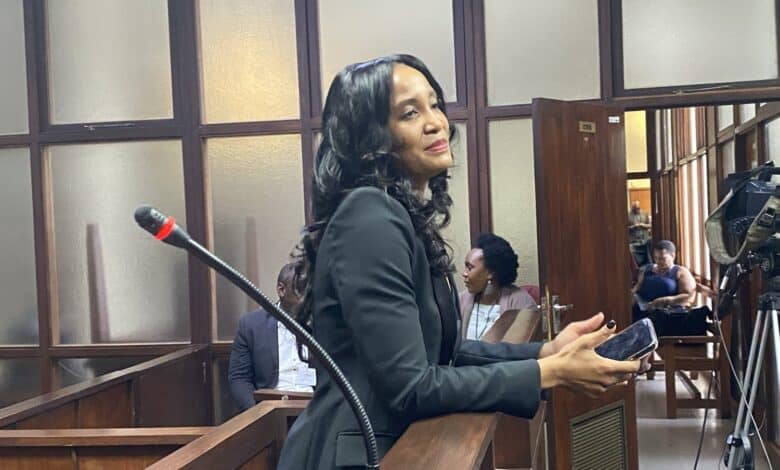

A proposed United States bill aimed at curbing the recruitment of African nationals into the Russia-Ukraine war could place former South African President Jacob Zuma’s daughter, Duduzile Zuma-Sambudla, at the centre of potential sanctions.
- A US bill aims to penalize those involved in recruiting African nationals for the Russia-Ukraine war
- The legislation targets individuals and organizations accused of luring Africans with false promises of education, employment, or training.
- Zuma-Sambudla is alleged to have recruited South Africans and Botswanans for Russia under false pretenses.
- African governments and authorities have issued warnings to citizens about deceptive overseas recruitment linked to the conflict, urging caution and verification of opportunities.
The legislation, introduced in the US House of Representatives by Congressman Joe Wilson in partnership with Congressman Jonathan Jackson on 7 May 2026, seeks to penalise individuals and entities accused of facilitating the deceptive recruitment of Africans into the conflict.
Titled the Countering Russia’s Forced Recruitment and Kidnapping in Africa Act, the bill targets foreign persons, organisations and even government-linked actors alleged to be involved in luring African citizens with false promises of education, employment or training.
The bill alleges that Duduzile Zuma-Sambudla, daughter of former South African President Jacob Zuma, has been accused in multiple lawsuits of luring 17 South Africans and two Botswanan nationals to Russia under the guise of bodyguard training for her father’s political party or a personal development programme.
It further states that recruitment accounts from South Africa describe cases in which individuals were allegedly misled under false pretences, with victims said to have had their passports and personal belongings confiscated upon arrival in Russia, and contracts replaced with Russian-language documents intended for forced service or labour.
South African authorities have also reportedly been investigating Duduzile Zuma-Sambudla over allegations linked to the recruitment of South Africans sent to Russia.
The allegations form part of a broader investigation by the country’s police into possible fraud and violations of foreign military assistance laws. Zuma-Sambudla has not been convicted of any offence, and the matter remains under investigation.
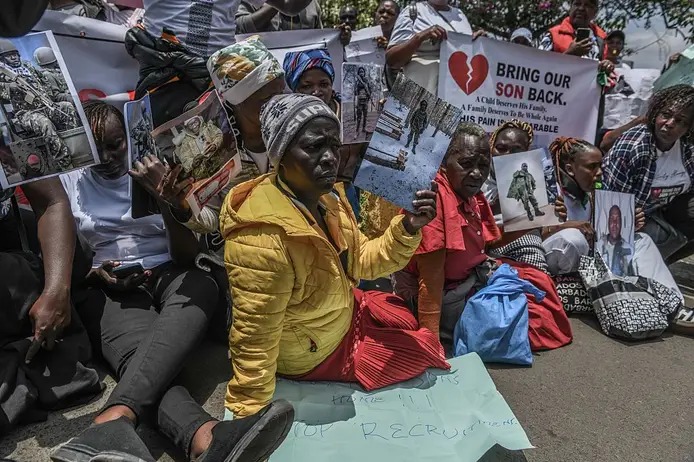
The Ukrainian government has also reported that more than 1,400 citizens from 36 African countries are currently fighting alongside Russian forces, raising growing concern over recruitment networks operating across the continent.
Larger crackdown on deceptive recruitment networks
The bill outlines a wide range of sanctions, including asset freezes, visa revocations and restrictions on international financial access for those identified as participating in or benefiting from such operations.
These penalties would remain in force for five years after enactment.
According to the legislation, some victims were misled into travelling abroad under the promise of military training or professional opportunities, only to be coerced into frontline combat or forced labour.
It also alleges that in some cases, passports and phones were confiscated upon arrival, while contracts were altered into Russian-language documents designed to exploit recruits.
Several African governments, including South Africa, Kenya, Uganda and Nigeria, have issued warnings over reports of citizens being targeted in deceptive recruitment schemes linked to the Russia-Ukraine conflict.
Authorities have cautioned against offers of overseas employment or training that later lead to involvement in military activity, urging citizens to verify opportunities through official channels before travelling abroad.
The alerts follow a series of reported cases in which Africans were allegedly misled with false promises and drawn closer to the conflict zone, prompting renewed calls for tighter safeguards and public awareness across affected countries.
However, no final determinations or sanctions have been made, and the bill must still pass through the US legislative process before becoming law.