Finding freedom on higher ground: Food justice this Juneteenth
Rev. Dr. Heber Brown III argues that Juneteenth should be both a celebration of freedom and a call to action on food justice. Through the Black Church Food Security Network's gardening and community programs, including Baltimore's "Operation Higher Ground," he encourages collective efforts toward food sovereignty, self-reliance and long-term community nourishment as a path to true liberation. The post Finding freedom on higher ground: Food justice this Juneteenth appeared first on AFRO American Newspapers.
 Black News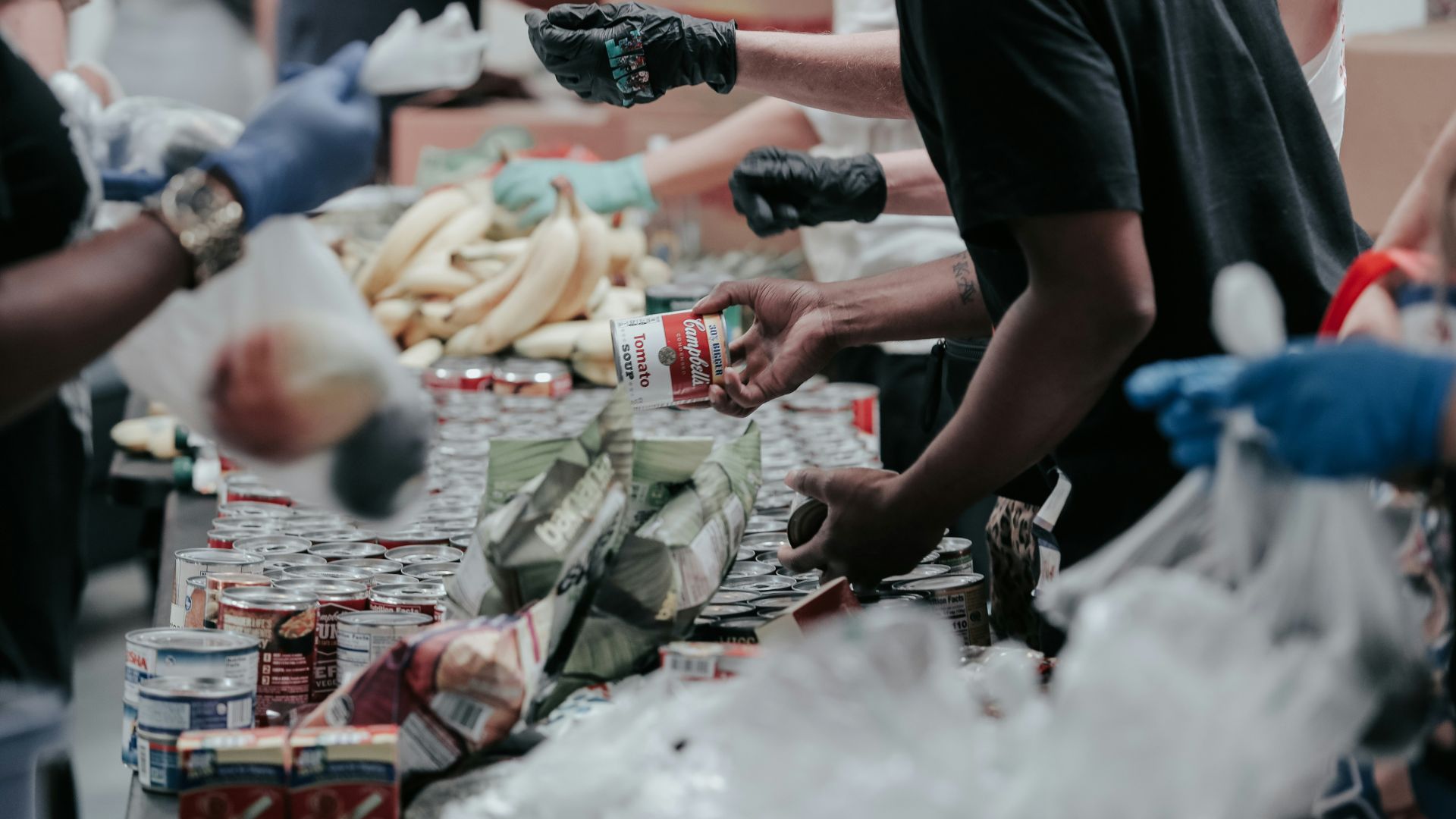

By Rev. Dr. Heber Brown III
As we reflect on 160 years of Juneteenth celebrations and its five years as a federal holiday, I cannot help but look through the lens of food sovereignty. Food holds a critical place in any holiday, and Juneteenth is no different. It nourishes us — body and soul — so that we may truly enjoy this day of jubilation. It is a way to show love and link communities.

Yet we are plagued by food apartheid; over 20 percent of Black communities are living with food insecurity. Years of racism, land theft and blocked resources have kept proper nutrition and stability out of reach. People struggle to feed themselves and their families enough, let alone prepare a celebratory feast.
Juneteenth is about freedom; but what is freedom if we can’t feed ourselves?
When anyone in our community does not have enough food, it is our responsibility to reach out and fill the gap. So, this Juneteenth, the Black Church Food Security Network is laying the groundwork to make change from our very own neighborhoods.
On June 20, four sites across Baltimore are honoring Juneteenth with a hands-on morning of gardening and growing food to sustain our communities. Through “Operation Higher Ground,” our church gardening program offers a tangible way to feed people. Thanks to the hard work of our volunteers and collaborating Black farmers, we produce nutritious food to distribute across our neighborhoods.
Simultaneously, we are bringing a food justice tour to each of these sites. Nothing says celebration quite like a bus full of music and people who care. To sustain our gardeners and spread the festivity to all hoping to learn more about food justice, we are pulling up to each stop and centering ourselves with discussions of security and self-reliance.
Our celebration of Juneteenth does not stop when the events end and parties pack up. It lasts the whole year, in all of our work. Every effort is in pursuit of furthering our people’s independence and liberation. This is why we garden, why we celebrate and why we speak out for food justice.
It is complicated to balance the serious topic of food insecurity with the joy that we feel today. When bellies are still rumbling, it is a solemn reminder that we can’t rely on institutions to do what’s best for us. The government isn’t always there for us when and where we need them. Funding gets cut and we get dismissed or left behind.

However, today is also a reminder of the strength, tenacity and power that our communities hold. We are reminded of our agency; we can take matters into our own hands to bring about the world we want to see. When we come together and join resources, we learn that we don’t have to rely on outside institutions. We can grow food and feed ourselves. And that is truly joyful.
Juneteenth gives us an opportunity to learn from our history — and our present — to organize for a future where everyone is secure and sated. The lessons of our Ancestors can guide our path to land ownership, self-reliance and community engagement.
The connection between celebration and action must be deep, and we cannot have one without the other. If we fight restlessly without a moment of joy, connection or nourishment, we will burn out and waste away. But if we don’t match our merriment with behaviors and mobilizations, we will never move forward.
As we rejoice and mark this anniversary of freedom, I invite all to join in balancing our celebration with action. Spend the holiday to connect with the community that supports us, and ask how we can offer support as well. Be grateful for what we have and how far we have come, then ask where we can go from here.
When everyone is working toward a common goal of freedom through food sovereignty, then we all will feel full and deeply nourished.
The opinions expressed in this commentary are those of the writer and not necessarily those of the AFRO.
The post Finding freedom on higher ground: Food justice this Juneteenth appeared first on AFRO American Newspapers.