Fresh battle erupts over how matric results are published in South Africa
Cape Town – South Africa’s long-running dispute over whether matric results may be published in newspapers has escalated to the Supreme Court of Appeal (SCA), with the Information Regulator seeking to overturn a ruling that allows the results to be published using examination numbers. The latest development follows a decision by the SCA to grant the Information Regulator leave to... Read more → The post Fresh battle erupts over how matric results are published in South Africa appeared first on African Insider.
 Black News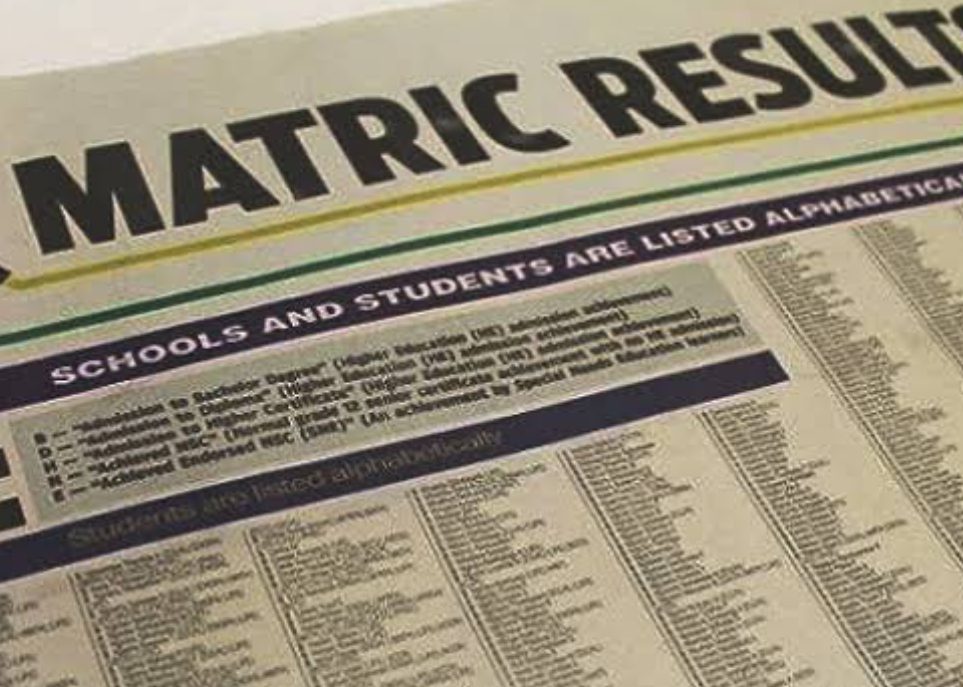
Cape Town – South Africa’s long-running dispute over whether matric results may be published in newspapers has escalated to the Supreme Court of Appeal (SCA), with the Information Regulator seeking to overturn a ruling that allows the results to be published using examination numbers.
The latest development follows a decision by the SCA to grant the Information Regulator leave to appeal after the regulator challenged an earlier Gauteng High Court ruling.
The dispute centres on whether publishing a learner’s matric results alongside an examination number, rather than their name, complies with the Protection of Personal Information Act (POPIA).
The practice changed after POPIA came into effect, with the Department of Basic Education (DBE) replacing learners’ names with examination numbers. The Information Regulator has argued that the numbers can still potentially be used to identify individual learners and therefore constitute protected personal information.
Legal obligation
The regulator previously ordered the DBE to stop publishing matric results in newspapers and instead make them available through channels such as schools and secure SMS platforms.
However, a full bench of the Gauteng High Court ruled in December 2025 that results could continue to be published using examination numbers. The court rejected the regulator’s argument that learners could identify their classmates by working out examination numbers from their seating arrangements, describing the argument as “fanciful” and “a poorly constructed thought experiment”.
The regulator subsequently sought leave to appeal, but the Gauteng High Court rejected that application in June 2026. The matter has now moved to the SCA.
The Information Regulator maintains that the DBE has a legal obligation to provide learners with their results directly, rather than publish them publicly.
“There is no person who can claim to have a right to be informed of any learner’s matric exam results through newspapers,” Information Regulator commissioner Mfana Gwala argued.
The future of information
The DBE, meanwhile, has maintained that publishing examination numbers without names or other identifiers does not breach POPIA because the information cannot reasonably be linked to a particular learner. The department has also argued that publishing the results serves the public interest by promoting transparency and confidence in the national examination system.
AfriForum, which has opposed the regulator’s position, has argued that the case has implications beyond matric results because coded information is widely used to protect people’s identities in research and other fields. Its head of cultural affairs, Alana Bailey, said the dispute concerns “the future of information that must be disclosed in the public interest”.
The case therefore places two competing principles at the centre of the legal battle: learners’ right to privacy under POPIA and the public interest in transparency and access to information.
The SCA’s eventual ruling could determine whether South Africa continues publishing matric results in newspapers using examination numbers or moves entirely to private channels for releasing the results.
Follow African Insider on Facebook, X and Instagram
Picture: X/@insightfactor
For more African news, visit Africaninsider.com
Compiled by Betha Madhomu
The post Fresh battle erupts over how matric results are published in South Africa appeared first on African Insider.