From Jason Collins To Brittney Griner: Black LGBTQ+ Athletes Who Competed On Their Own Terms
In celebration of Pride Month, check out some of the competitors who shook up the sports world with their courage, bravery and honesty.
 Black News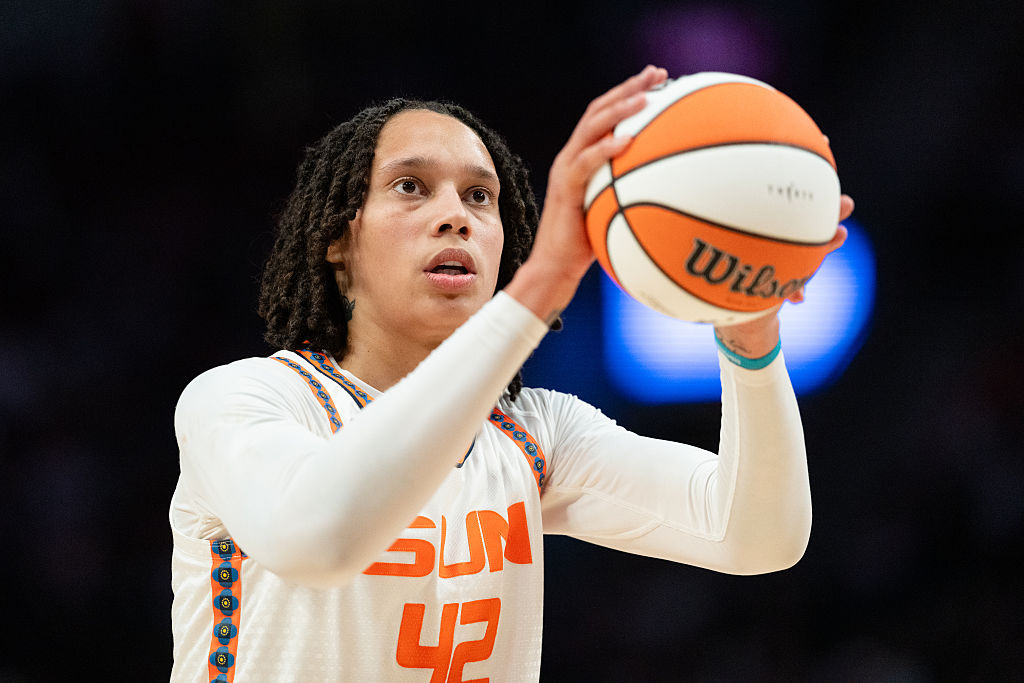
Pride Month is always a celebration, but in sports, it also comes with a reminder of how much courage it has taken for some athletes to simply exist out loud. For a long time, being gay, bisexual, transgender, nonbinary or anywhere under the LGBTQ+ umbrella was treated like something that had to be whispered about, hidden from sponsors, kept out of locker rooms and separated from the athlete’s actual greatness. That was especially true for Black athletes, who were already carrying the weight of race, visibility, stereotypes and expectation before sexuality or gender identity ever entered the conversation.
Things have changed. Not perfectly, not evenly and definitely not without backlash, but they have changed. The WNBA became the first U.S. pro sports league to make Pride an official league-wide initiative in 2014, while athletes like Brittney Griner, Sheryl Swoopes, Layshia Clarendon and Natasha Cloud helped show that authenticity is not a distraction from greatness — it can be part of the reason people connect to it.
On the men’s side, Jason Collins’ 2013 coming-out essay hit sports like a cultural earthquake because he was still an active NBA player, a Black man, and the first openly gay active athlete in one of the four major American men’s team sports. His story, especially after his death in 2026, remains a reminder that visibility is never just about one person. It opens a door that somebody else may need to walk through later.
That’s what this list is really about. These athletes did not all have the same journey, and they did not all receive the same kind of public embrace. But each of them, in their own way, challenged the idea that an athlete has to shrink, hide or perform a version of themselves to be respected.
Jason Collins
Jason Collins changed the conversation in 2013 when he came out as gay while still an active NBA player. He was never trying to be turned into a symbol more than a person, but his decision gave men’s professional sports a moment it could not ignore. Collins proved that a respected veteran, teammate and Black man in a major locker room could tell the truth about himself and keep standing tall.
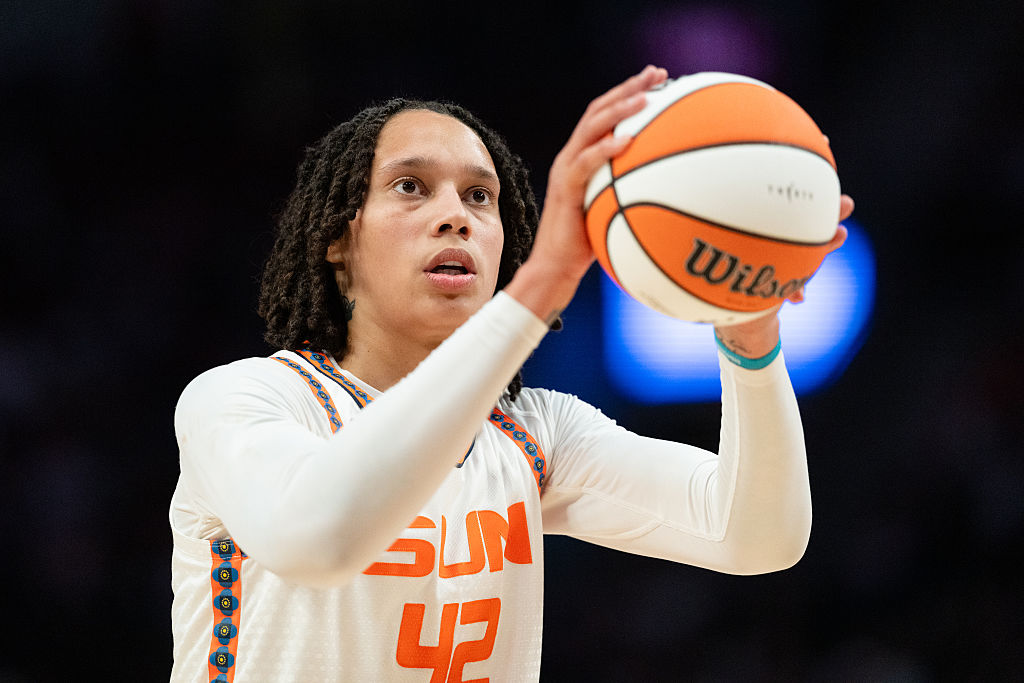
Brittney Griner
Brittney Griner has always moved like someone who understood the power of refusing to fit into somebody else’s box. After being selected No. 1 overall in the 2013 WNBA Draft, she publicly discussed being gay and spoke about simply being true to herself. Her dominance, visibility and honesty helped make her one of the most important LGBTQ+ athletes of her generation.
Sheryl Swoopes
Before the current era of WNBA Pride nights and social media support, Sheryl Swoopes came out in 2005 as one of the biggest names women’s basketball had ever seen. At that point, she was already a WNBA MVP, Olympic gold medalist and one of the faces of the league. Her decision mattered because she had everything people thought an athlete could “lose,” and she still chose peace over pretending.
Layshia Clarendon
Layshia Clarendon’s impact reaches far beyond basketball. As the WNBA’s first openly transgender and nonbinary player, Clarendon has been honest about identity, faith, race, family and the fight for trans inclusion in sports. They competed, led and advocated in a way that made room for athletes who rarely get treated with the care they deserve.
Michael Sam
Michael Sam made history in 2014 when he came out before the NFL Draft, then became the first openly gay player selected in the draft when the St. Louis Rams picked him in the seventh round. Coming out before the league had fully made room for him took real courage. His NFL career did not become what many hoped, but the barrier he broke still mattered.
John Amaechi
John Amaechi came out publicly after his NBA career, but his story carries weight because he was the first former NBA player to openly identify as gay. As a Black British big man who played in a league that still struggles with conversations around masculinity and sexuality, Amaechi helped force basketball to look at what it asks players to hide. His post-playing career as a psychologist, speaker and advocate has only deepened that legacy.
Derrick Gordon
Derrick Gordon became the first openly gay male Division I basketball player when he came out while playing at UMass in 2014. That moment was especially important because college sports can be even more intense than the pros when it comes to locker room pressure, fan opinion and young athletes still finding themselves. Gordon’s openness gave other athletes a real-time example of what it looked like to choose truth while still competing.
Ryan Russell
Ryan Russell, a former NFL defensive end, came out as bisexual in 2019 while still hoping to continue his football career. His story stood out because bisexual athletes are often erased or misunderstood, even inside broader LGBTQ+ conversations. Russell made it clear that he did not want his identity separated from his comeback dreams — he wanted the chance to be seen fully.
Fallon Fox
Fallon Fox became the first known openly transgender fighter in MMA, stepping into one of the most physically and politically charged spaces in sports. Her career came with heavy criticism, misinformation and attacks, but Fox never let the noise erase the fact that she was a trained fighter pursuing her sport. Her story remains one of the clearest examples of what it means to compete under a microscope and still refuse to disappear.
CeCé Telfer
CeCé Telfer made history as a transgender track athlete and the first openly trans woman to win an NCAA Division II title. Her journey has also shown the harsh reality of being a trans athlete in a time when policies, politics and public debate can shift the ground beneath your feet. Even through bans and backlash, Telfer’s story is about fighting to be recognized as an athlete, not just turned into an argument.
RELATED: Degrees of Greatness: Athletes Who Put in Work Beyond the Game