Ghana hit with a lawsuit for going along with a plan initiated by the United States
The United States’ plan, spearheaded by the country’s president, Donald Trump, to send illegal migrants to third-party countries has resulted in a lawsuit against the West African country of Ghana.
 Black News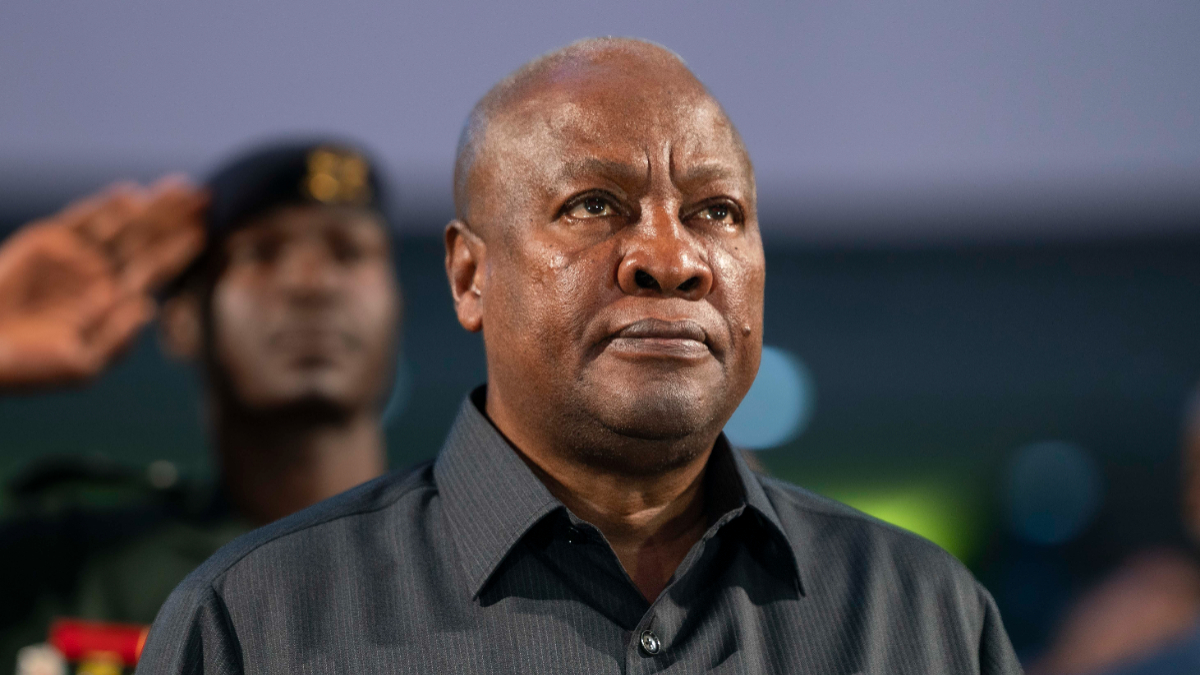
![John Dramani Mahama, President of the Republic of Ghana. [Photo by Ernest Ankomah/Getty Images]](https://ocdn.eu/pulscms/MDA_/d5ff23b4e5e81e4e5a3e83d5c5cbc273.jpg)
The United States’ plan, spearheaded by the country’s president, Donald Trump, to send illegal migrants to third-party countries has resulted in a lawsuit against the West African country of Ghana.
- The US under President Donald Trump implemented a plan to deport illegal migrants to third-party countries, leading to a lawsuit against Ghana.
- A legal team has filed the lawsuit at the ECOWAS Community Court of Justice, claiming that Ghana's acceptance of deportees violates domestic and regional laws.
- Since September, about 60 people have been deported to Ghana, with 27 represented in the lawsuit, though none currently reside in Ghana.
- The lawsuit highlights concerns about deportees' safety, due process, and that many of them had previously secured asylum or legal protection in the US.
Recent reports indicate that a team of lawyers initiated a lawsuit against Ghana at Africa’s top human rights court on behalf of the deportees sent to the country under the US’s third-country deportation initiative.
Last year, Ghana, much like Eswatini, announced that it would be taking in deported citizens from the U.S., shortly after which the country’s president, John Dramani Mahama, confirmed that Ghana had received a group of 14 deportees, among them Nigerians and one Gambian.
DON’T MISS THIS: 5 EU countries eye Kenya as a prime asylum destination alongside Ghana, Benin, and Rwanda
This move immediately spurred backlash, as many faulted the country’s decision to go along with the US’s deportation scheme.
Soon after resuming office for a second term last year, Donald Trump's administration passed a contentious deportation program that makes it possible for migrants to be deported not just to their home countries, but also to "third-party countries" with which they have no links.
The plan allows U.S. Immigration and Customs Enforcement (ICE) to deport migrants with as little as six hours' notice, raising worries about due process and safety. Human rights experts fear that transporting vulnerable people to new nations may subject them to persecution and misery.

Ghana is now facing a lawsuit for going along with this plan.
Lawsuit against Ghana for US deportation plan
As seen on Channels TV, the plaintiff firm, in conjunction with the Cornell Law School Transnational Disputes Clinic and the Global Strategic Litigation Council, a coalition of non-governmental organizations, initiated legal proceedings against the West African nation on Monday.
The lawsuit was filed at the ECOWAS Community Court of Justice, located in Abuja.
This judicial institution serves as the primary legal authority for the Economic Community of West African States, a regional organization comprising 12 member states.
The lawsuit alleges Ghana is violating domestic and regional law by “facilitating removals to unsafe countries”, a statement from the legal coalition said.
The legal team disclosed that, currently, approximately 60 people have been deported to Ghana since September, and 27 are represented in the lawsuit.
According to legal counsel, none of the twenty-seven deportees involved in the litigation currently reside within Ghana.
“Many now remain in hiding in their home countries or have fled to third countries where they wait in limbo.”
A similar case to stop US deportations to Equatorial Guinea, which has previously acted as a way station for African deportees, was filed earlier in June before the African Commission on Human and Peoples' Rights.
Earlier in June, a similar legal case was submitted to the African Commission on Human and Peoples' Rights aiming to halt American deportations to Equatorial Guinea, a nation that has historically served as a transit point for displaced Africans.
Those in the ECOWAS lawsuit “had sought, and the majority had obtained asylum or other legal protections in the United States,” the legal coalition said.