
Ghana targets investment-grade rating by 2029 after debt default and restructuring
Just four years after plunging into one of Africa’s most closely watched debt crises, Ghana is setting an ambitious new goal: returning to investment-grade status by 2029.
 Black News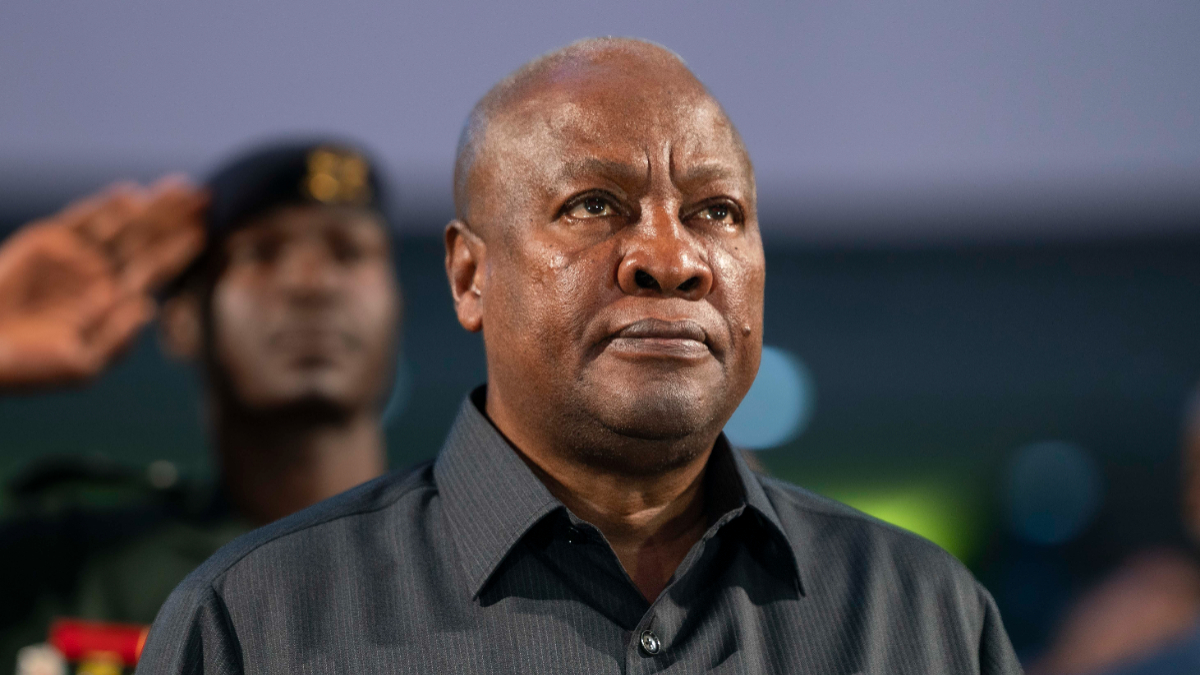
![Ghanaian President John Mahama addressed investors in London as the country seeks to rebuild confidence after its debt restructuring.[Photo by Ernest Ankomah/Getty Images]](https://ocdn.eu/pulscms/MDA_/d5ff23b4e5e81e4e5a3e83d5c5cbc273.jpg)
Just four years after plunging into one of Africa’s most closely watched debt crises, Ghana is setting an ambitious new goal: returning to investment-grade status by 2029.
- Ghana says it wants to regain investment-grade status within three years after its 2022 debt default.
- President John Mahama used a London investor forum to argue that African debt remains unfairly priced by global markets.
- The country is shifting its message from debt restructuring and aid to investment, private capital and growth.
- Success would mark one of Africa’s fastest sovereign credit recoveries in recent years.
The target, unveiled by Finance Minister Cassiel Ato Forson at an investor conference in London on Wednesday, shows how dramatically the country’s narrative has shifted since its 2022 sovereign debt default, which forced a painful restructuring of both domestic and external obligations.
Rather than discussing debt distress, Ghana is now trying to convince global investors that it is becoming one of Africa’s most compelling recovery stories.
The ambition is significant.
Investment-grade status would place Ghana back among the ranks of lower-risk borrowers, potentially reducing borrowing costs, attracting a wider pool of institutional investors and restoring access to international capital markets on more favourable terms.
The challenge, however, remains steep. Major rating agencies still classify Ghana’s debt as speculative grade, reflecting the lingering impact of the country’s default and restructuring process.
Ghana’s next test after debt restructuring
Ghana spent much of the last three years rebuilding credibility with creditors after becoming one of the largest African economies to seek debt treatment under the G20 Common Framework.
The country restructured billions of dollars in domestic and external debt, secured support from the International Monetary Fund and implemented reforms aimed at stabilising public finances.
Recent economic indicators suggest the recovery is gaining momentum.
Economic growth accelerated towards the end of last year, inflation has moderated significantly from crisis-era levels, and the cedi has emerged as one of Africa’s strongest-performing currencies in recent months.
The government is now hoping those gains can translate into stronger credit ratings and renewed investor confidence.
Africa is being mispriced
President John Dramani Mahama used the London event to challenge how international markets assess African economies.
He argued that African debt continues to be mispriced, leaving many countries paying significantly higher borrowing costs than their economic fundamentals justify.
DON'T MISS THIS: Ghana secures US debt deal as Washington presses for prompt repayment of outstanding obligations
Mahama also called for reforms to global debt restructuring mechanisms, saying countries facing financial distress need faster, fairer and more inclusive solutions.
His comments reflect growing frustration among African policymakers who argue that the continent often faces a risk premium that exceeds actual economic realities.
The Ghanaian leader also urged a rethink of Africa’s relationship with traditional partners, saying future cooperation should focus more on investment, enterprise and innovation than development aid.
“Africa is not a risk to be managed. Africa is an opportunity to be seized,” Mahama told investors.
Betting on private capital
Forson also signalled that Ghana wants greater participation from private investors rather than relying excessively on government-led spending and borrowing.
DON'T MISS THIS: Ghana’s financial problems to persist despite $3 billion loan from IMF
He warned that directing too much investment through the sovereign could worsen debt pressures and limit economic dynamism.
The comments align with a broader push across Africa to attract private capital into infrastructure, manufacturing, energy and technology sectors as governments face tighter fiscal conditions.
DON'T MISS THIS: Ghana may lose control of its resources to China if it defaults on its debt
For Ghana, the strategy is straightforward: prove that the debt crisis is in the past and that the country’s next chapter is about growth.
Whether investors and ratings agencies are convinced will determine how quickly Ghana can move from debt recovery to investment-grade territory.
If successful, it could become one of Africa’s most notable sovereign recovery stories of the decade.