Ghana’s Free Primary Healthcare Policy: A transformational step toward health equity and minimising progression of intellectual and developmental disabilities
Ghana has taken a bold, landmark step toward fair healthcare with the launch of the Free Primary Healthcare Programme, a policy that could reshape the nation’s health sector for generations to come. Officially launched on April 15, 2026, by President John Dramani Mahama, this programme is being positioned as a key element of Ghana’s road … The post Ghana’s Free Primary Healthcare Policy: A transformational step toward health equity and minimising progression of intellectual and developmental disabilities appeared first on Ghanaian Times.
 Black News
Ghana has taken a bold, landmark step toward fair healthcare with the launch of the Free Primary Healthcare Programme, a policy that could reshape the nation’s health sector for generations to come. Officially launched on April 15, 2026, by President John Dramani Mahama, this programme is being positioned as a key element of Ghana’s road toward Universal Health Coverage (UHC). At its core, the policy seeks to eliminate monetary barriers to basic healthcare and shift the national focus from treating illness to preventing it.
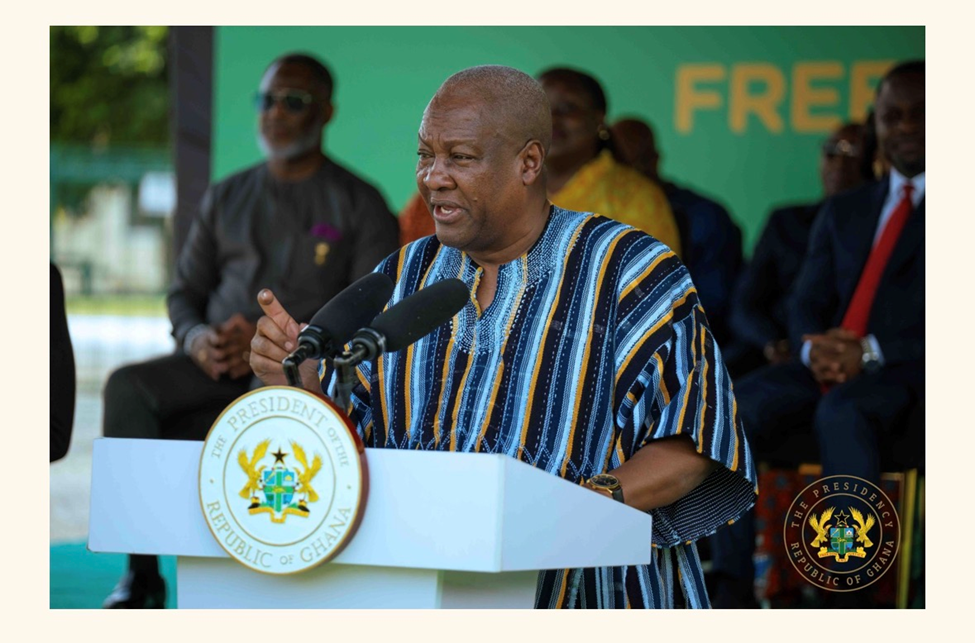
Source: presidency.gov.gh
This policy does not simply aim to reform healthcare; it is a public health strategy with extensive implications, particularly for maternal and child health, early intervention, and minimising progression of intellectual and developmental disabilities (IDDs) in newborns. For families, communities, and the wider healthcare system, the effectiveness of this initiative will depend not only on government implementation but also on public awareness, participation, and behavioural change.
One of the most important aspects of the Free Primary Healthcare Program rests on its emphasis on prevention. Unlike traditional healthcare models that focus heavily on curative services, this policy has been designed to identify and address health issues early, before they become severe or life-threatening. The programme will initially be rolled out in 150 underserved districts, with plans to expand nationwide by 2028. This phased approach embodies a strategic concentration on rural and marginalised populations, communities that have historically confronted significant barriers to medical access despite the presence of the National Health Insurance Scheme (NHIS). Importantly, the policy does not replace NHIS but complements it, filling essential gaps at the primary care level where early diagnosis and routine health monitoring can make the greatest difference. As emphasized during the launch, the policy secures that no Ghanaian is denied basic medical care owing to the cost of care.
The introduction of mandatory annual health screenings for all citizens further reinforces this preventive approach. These screenings aim to detect conditions such as hypertension, diabetes, and other non-communicable diseases early, permitting timely intervention. Through shifting attention to early detection and prevention, Ghana is positioning itself to reduce the long-term burden of disease while advancing overall quality of life.
From a public health perspective, one of the greatest benefits of this policy resides in its potential to improve maternal and child health outcomes. Research shows that many intellectual and developmental disabilities originate from preventable or manageable conditions during pregnancy, childbirth, or early childhood (1). Conditions such as birth complications, maternal infections, poor prenatal nutrition, untreated maternal health issues, and the absence of newborn screening may all contribute to developmental challenges (2). Through removing monetary barriers to care, the Free Primary Healthcare Programme creates an environment where pregnant women can access consistent prenatal care, skilled delivery services, and postnatal follow-ups without delay.
The significance of this approach is highlighted by the choice of launch location, the Shai-Osudoku District Hospital, a facility that has achieved international recognition for zero maternal mortality over a decade (3). This example demonstrates the important role that strong primary health care systems can play in improving outcomes for mothers and newborns.
The connection between primary healthcare and the prevention of intellectual and developmental disabilities is significant. Research shows that conditions such as autism spectrum disorder, cerebral palsy, and intellectual disability are frequently influenced by early-life health factors that can be reduced through early intervention (4). Access to regular antenatal care allows health practitioners to monitor fetal development, manage maternal conditions, and offer essential nutrients that support healthy brain development. Early detection of infections or high-risk pregnancies enables interventions that may prevent long-term complications.
Equally important is the availability of skilled birth attendants, whose presence during delivery substantially lowers the risk of complications such as oxygen deprivation, a major cause of developmental disabilities (5). After birth, ongoing access to primary healthcare ensures that children are monitored for developmental milestones, allowing delays to be identified and addressed early. Vaccination schemes further protect children from infections that could otherwise lead to neurological damage, while nutrition and growth monitoring support cognitive and physical development through critical early years (6).
An additional critical dimension of the policy is its response to the rising burden of non-communicable diseases in Ghana. Conditions such as hypertension, diabetes, stroke, and renal disease are rising in prevalence due to changing lifestyles (7). While these conditions primarily affect adults, they carry far-reaching implications for families and children. Research shows that maternal health conditions such as diabetes and hypertension can greatly increase the chance of complications during pregnancy, leading to preterm birth, low birth weight, and developmental challenges (8). Through promoting early detection and lifestyle changes, the policy contributes to healthier families and improved outcomes for future generations.
An important strength of the Free Primary Healthcare Programme lies in its emphasis on community participation and education. The involvement of traditional and religious leaders in promoting health awareness reflects recognition that healthcare is deeply shaped by cultural and communal dynamics. Community-based education initiatives strive to encourage better lifestyles, promote periodic health checks, and address harmful practices that contribute to disease (9). This approach is especially important in addressing stigma and misconceptions surrounding developmental disabilities, which frequently delay early intervention and support (10).
For families, the success of this policy will depend on engaged involvement and well-informed decision-making. Pregnant women have to prioritise regular antenatal visits and seek skilled care during delivery. After childbirth, families should continue to engage with medical professionals through postnatal visits and routine child health check-ups. Participation in annual health screenings is essential for finding potential health issues early, while adherence to immunization schedules protects children from preventable diseases.
Families serve a key role in monitoring child development. Paying attention to milestones such as speech, movement, and social interaction can help identify delays early, permitting timely intervention. Nutrition must also be a priority, particularly during pregnancy and early childhood, as it directly affects brain development and overall health. At the same time, families must embrace health education efforts and be willing to adopt more healthful lifestyles.
Equally important is the need to confront stigma associated with developmental disabilities. In many communities, these conditions are misunderstood, bringing about delays in seeking care. Through supporting a culture of openness and early intervention, families can ensure that children receive the support they need to flourish.
Despite its promise, the Free Primary Healthcare Program will face challenges that must be addressed to ensure its success. These include potential shortages of health care professionals in rural areas, infrastructure constraints, and the need for continued funding. Public awareness and behavioral change will also be critical, as the policy’s effectiveness depends on how people and groups engage with it. However, with strong leadership, strategic investment, and community involvement, these problems can be overcome.
Conclusion
Ultimately, the Free Primary Healthcare Program embodies a powerful vision for the prospects of healthcare in Ghana. Through prioritizing prevention, expanding access, and strengthening communities, the country is laying the foundation for improved health outcomes across the lifespan. For children, this means a greater chance of being born healthy and developing to their full potential. For families, it means reduced monetary strain and enhanced well-being. For the nation, it means a healthier and more productive population.
The launch of this policy constitutes a pivotal moment in Ghana’s public health journey. Its focus on prevention and early intervention can significantly reduce the prevalence of intellectual and developmental disabilities while improving overall health outcomes. For this goal to be realized, families, healthcare providers, and policymakers must work together to ensure that the promise of free primary healthcare translates into meaningful, durable impact.
If successfully implemented, Ghana’s Free Primary Healthcare Program could become a template for other African countries and a defining achievement in the nation’s pursuit of health equity and social progress.
The writer is a policy advocate and a nonprofit health and human services leader in Intellectual and Developmental Disabilities (IDD) and behavioral health.
BY DR. ISAAC MAWUKO ADUSU
Follow our WhatsApp Channel now! https://whatsapp.com/channel/0029VbAjG7g3gvWajUAEX12Q

The post Ghana’s Free Primary Healthcare Policy: A transformational step toward health equity and minimising progression of intellectual and developmental disabilities appeared first on Ghanaian Times.