Gov’t calls for private investment in solar, energy storage
The government has called for increased private-sector investment in solar power and energy-storage systems as Uganda seeks to meet rising electricity demand and achieve universal access by 2030. Dr Brian Isabirye, commissioner for energy resources at the ministry of Energy and Mineral Development, who represented state minister for Energy Sidronius Okaasai Opolot, said private investment […] The post Gov’t calls for private investment in solar, energy storage appeared first on The Observer Media Ltd.
 Black News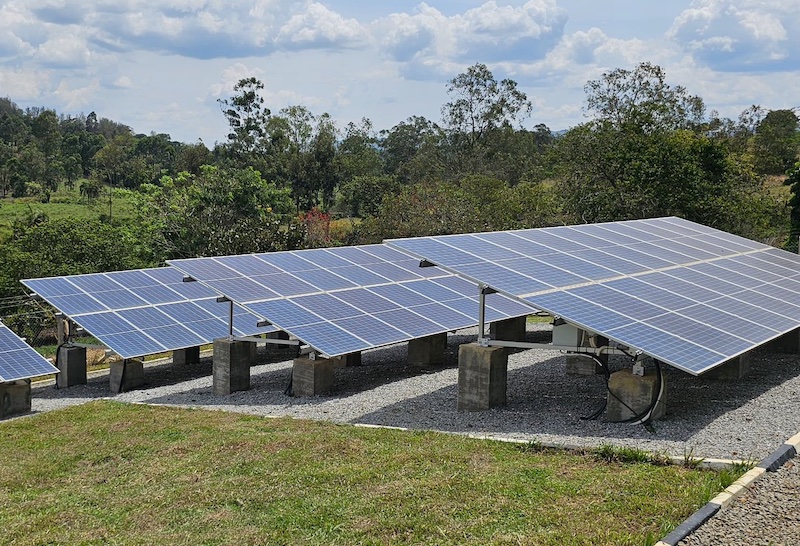

The government has called for increased private-sector investment in solar power and energy-storage systems as Uganda seeks to meet rising electricity demand and achieve universal access by 2030.
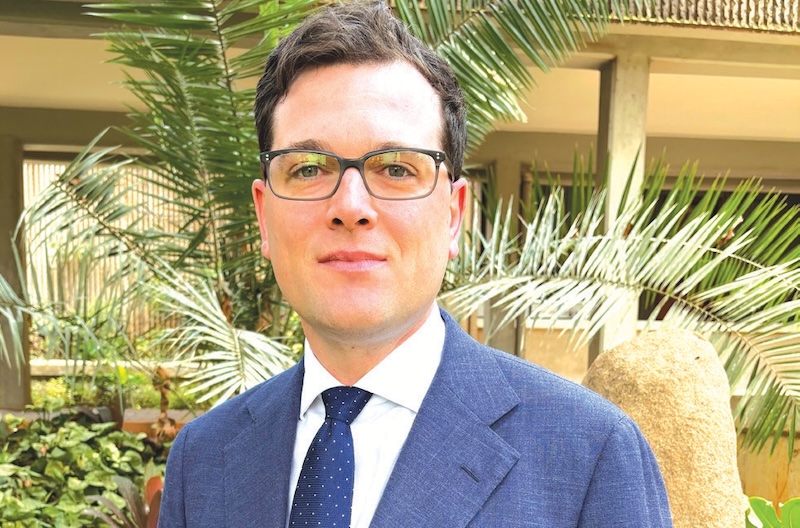
Dr Brian Isabirye, commissioner for energy resources at the ministry of Energy and Mineral Development, who represented state minister for Energy Sidronius Okaasai Opolot, said private investment was critical to expanding generation capacity, improving reliability and lowering the cost of electricity for households and industries.
Speaking at the Partner Summit 2026, Isabirye said the growing adoption of solar energy and battery storage presented an opportunity for the private sector to support Uganda’s energy transition.
“It is you, the private sector, that provides the critical private investments, the technologies and the skills that Ugandans need to turn the direction that is set by policy,” Isabirye said.
He said government policy alone could not deliver the scale of investment required to expand and modernise the electricity sector, urging private players to invest in generation, storage and other energy technologies.
Isabirye also acknowledged Huawei’s technical support in Uganda’s sustainable-energy programmes, particularly its contribution to incorporating technologies such as inverters and energy-storage systems into national planning.
Uganda’s installed generation capacity has increased in recent years, with hydropower remaining the dominant source. About 95 per cent of the country’s installed generation capacity comes from renewable sources, mainly hydropower.
Isabirye cited the 600MW Karuma Hydropower Project as a major addition to the national grid, but cautioned that increased generation capacity should not create the impression that Uganda has surplus electricity.
Peak demand currently stands at about 1,000MW and is expected to continue rising as industrialisation and economic activity expand.
Electricity tariffs also declined in 2025, with the average tariff falling from about Shs 460 to Shs 395 per unit. Uganda has about 2.5 million electricity consumers, with the number growing by approximately 10 per cent annually.
However, the expansion in access and demand has exposed persistent challenges, including unreliable supply, distribution losses and affordability.
“Frequent power outages and voltage fluctuations continue to push institutions and businesses to install solar systems and backup generators. The proliferation of institutions moving to solar is a response to some of these challenges, specifically reliability. Every outage means stopped machines and loss of production,” Isabirye said.
Distribution losses remain another major concern, with more than 18 per cent of electricity lost at the distribution level. Isabirye said reducing the losses would help lower costs and improve the efficiency of the electricity system.
The government is targeting electricity prices of about five US cents per unit to make power more competitive for industries.
Isabirye said Uganda would require about $8 billion in annual investment in the energy sector by the end of the decade, making private capital indispensable because public resources alone cannot finance the required expansion.
He also pointed to Uganda’s strong solar resource, citing an International Energy Agency assessment that the country has a stronger solar resource than Spain.
“Gone are the days when solar was seen as intangible technology. Solar has become even more reliable than other traditional sources of energy. Solar and battery storage at the factory, the hospital and the farm complements the national grid. It cuts energy costs, keeps operations running during outages, and frees up grid capacity for others,” he said.
Isabirye said wider adoption of solar and storage would enable Uganda to make better use of existing electricity infrastructure while expanding access to reliable and affordable power.
With more than 800,000 households needing to be connected to electricity each year to achieve universal access by 2030, he said the scale of the task required stronger collaboration between government and private investors.
He urged private-sector players to view Uganda’s growing electricity demand not only as a challenge but also as an investment opportunity in generation, energy storage and other technologies that can support the transition to a cleaner and more reliable electricity system.
The managing director of ACO Uganda, Jonan Twinamasiko, said Uganda’s ambition to build a $500 billion economy would require a major expansion of electricity generation and access.
Twinamasiko said solar power offered one of the quickest options for meeting the country’s growing energy needs, particularly among industrial and commercial users.
He described solar as one of the most readily available options for addressing Uganda’s immediate electricity needs as demand continues to grow.
The post Gov’t calls for private investment in solar, energy storage appeared first on The Observer Media Ltd.