Guinea, Morocco, DR Congo and South Africa among countries with the world's biggest mineral reserves
Guinea, Morocco, the Democratic Republic of the Congo (DRC), and South Africa are home to some of the world's largest mineral reserves, placing Africa at the centre of global supply chains for critical resources.
 Black News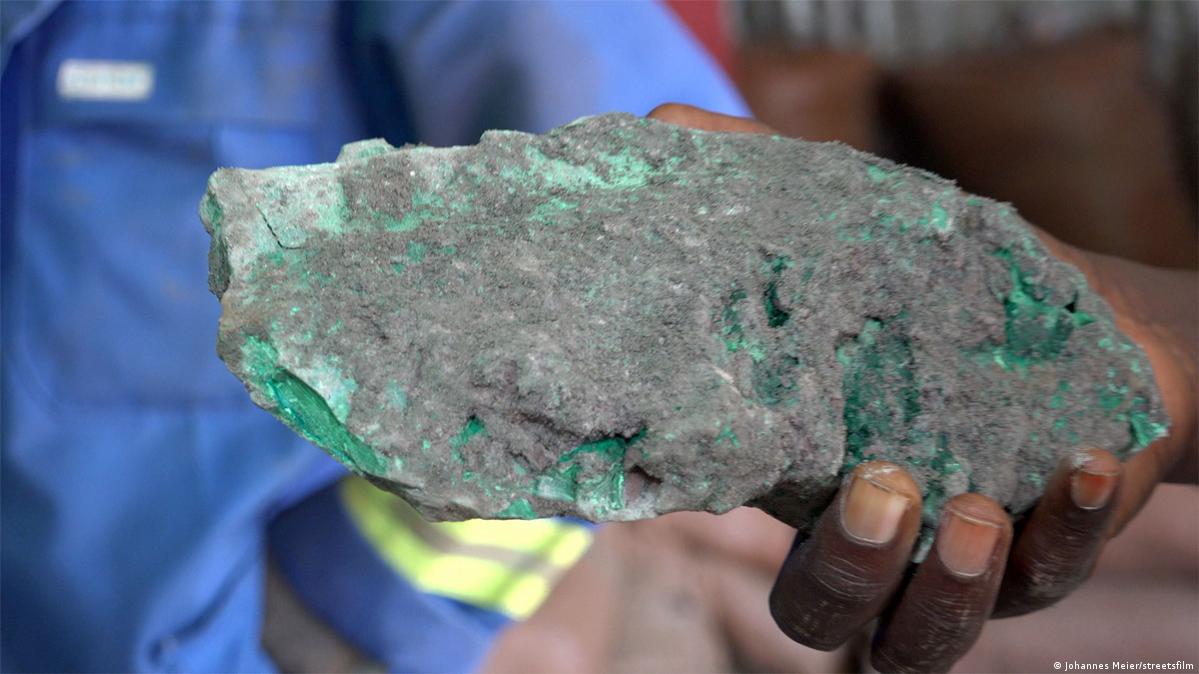

Guinea, Morocco, the Democratic Republic of the Congo (DRC), and South Africa are home to some of the world's largest mineral reserves, placing Africa at the centre of global supply chains for critical resources.
- Guinea, Morocco, the DRC, and South Africa hold some of the world's largest reserves of critical minerals, making Africa key to global supply chains.
- Control over these minerals gives these countries significant influence and potential leverage in global trade and industry.
- Other major players include Australia, with diverse mineral reserves, and China, dominating rare earths and graphite.
- Growing global demand for these resources is driving economic competition, investment, and geopolitical strategy, turning mineral wealth into a vital strategic asset.
Guinea, Morocco, the Democratic Republic of the Congo (DRC), and South Africa are home to some of the world's largest mineral reserves, placing Africa at the centre of global supply chains for critical resources.
Globally, a small number of countries dominate reserves of the minerals that power modern economies—from iron ore and copper to rare earth elements, lithium, and cobalt. In several cases, a single nation accounts for an outsized share of global reserves, creating potential supply chain bottlenecks while strengthening its influence over critical industries.
Guinea holds the world's largest bauxite (aluminium ore) reserves, accounting for 26% of the global total, according to a report by VisualCapitalist. The DRC possesses 50% of the world's cobalt reserves, Morocco controls 69% of global phosphate reserves, while South Africa is home to 83% of the world's platinum-group metal (PGM) reserves.
DON'T MISS THIS: Junta-led Burkina Faso, Mali and Niger begin exit from the International Criminal Court, deepening break with Western institutions
Guinea: The world's bauxite powerhouse
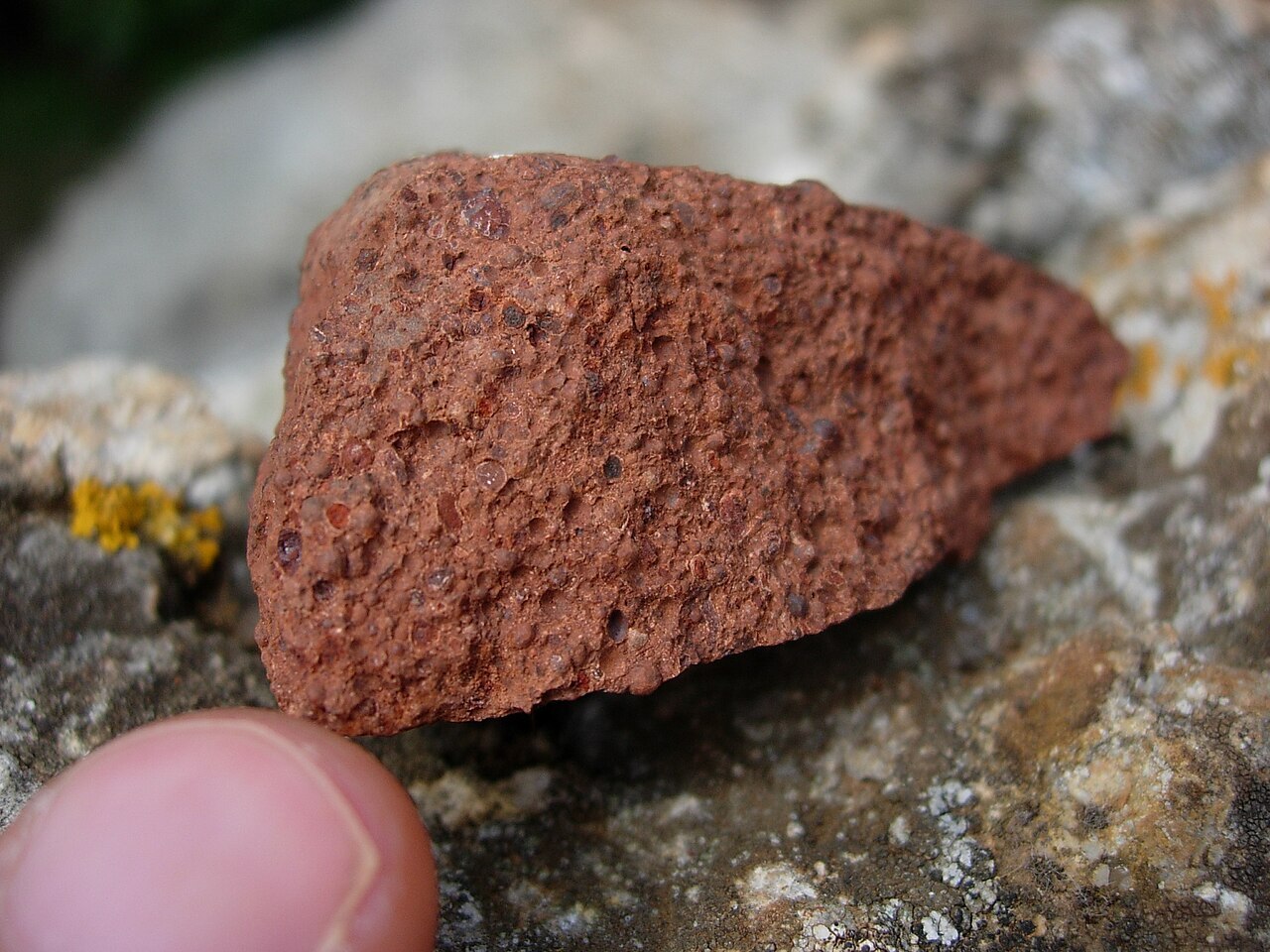
Guinea holds the world's largest bauxite reserves, the primary ore used to produce aluminium, accounting for about 26% of global reserves. The West African nation has become a critical supplier to aluminium producers, particularly China, which imports large volumes of Guinean bauxite to feed its smelters. Mining is the backbone of Guinea's economy, attracting billions of dollars in foreign investment from companies across Asia, Europe, and the Middle East.
Morocco (phosphate)
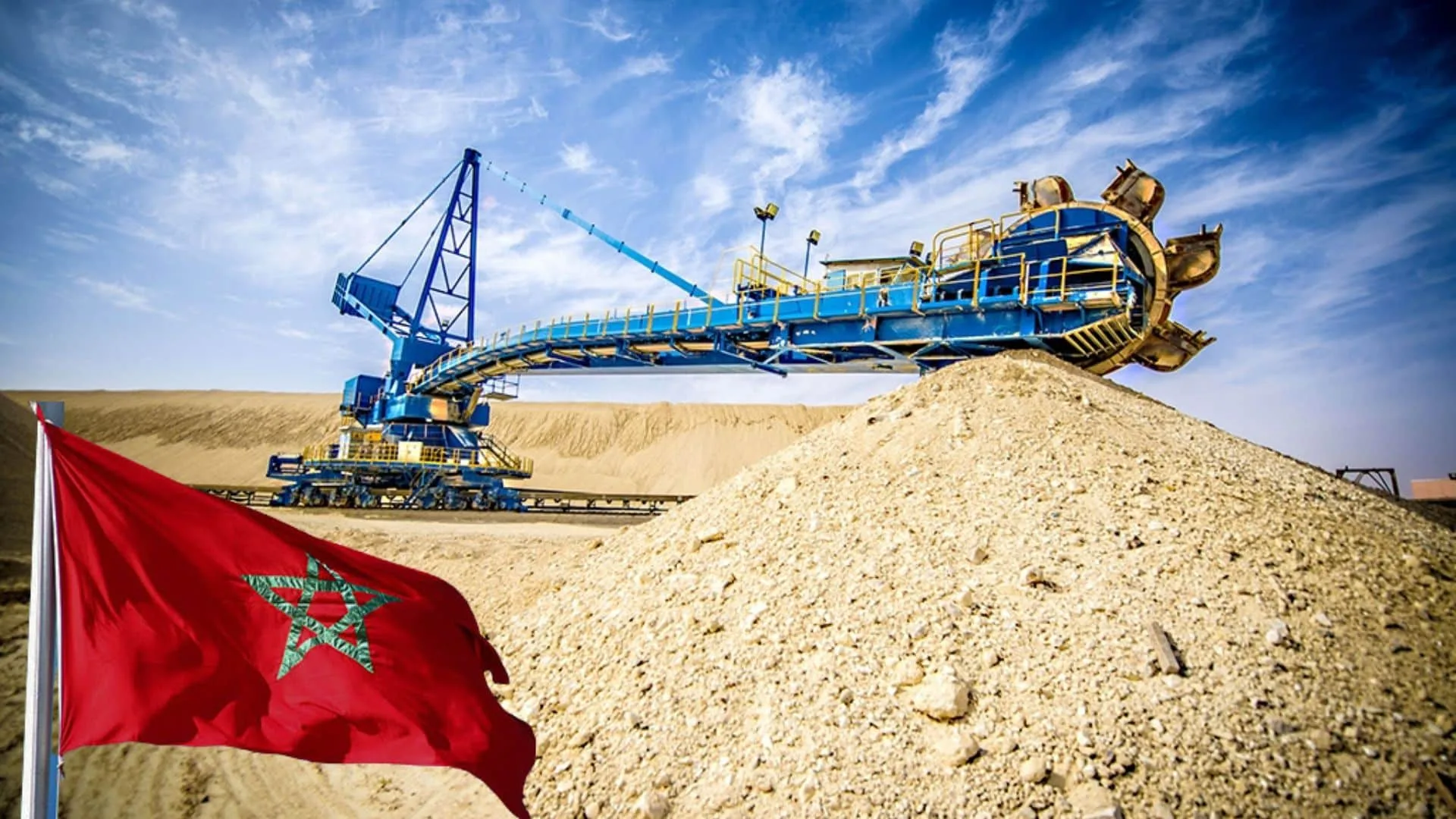
Morocco controls an estimated 69% of global phosphate reserves, giving it a commanding position in one of the world's most critical agricultural commodities. Phosphate is an essential ingredient in fertilisers that sustain global food production. Through its state-owned OCP Group, Morocco has built one of the world's largest phosphate mining and fertiliser industries, exporting to more than 160 countries.
DON'T MISS THIS: 12 African countries the US has signed $16 billion in health agreements with
DR Congo (Cobalt)
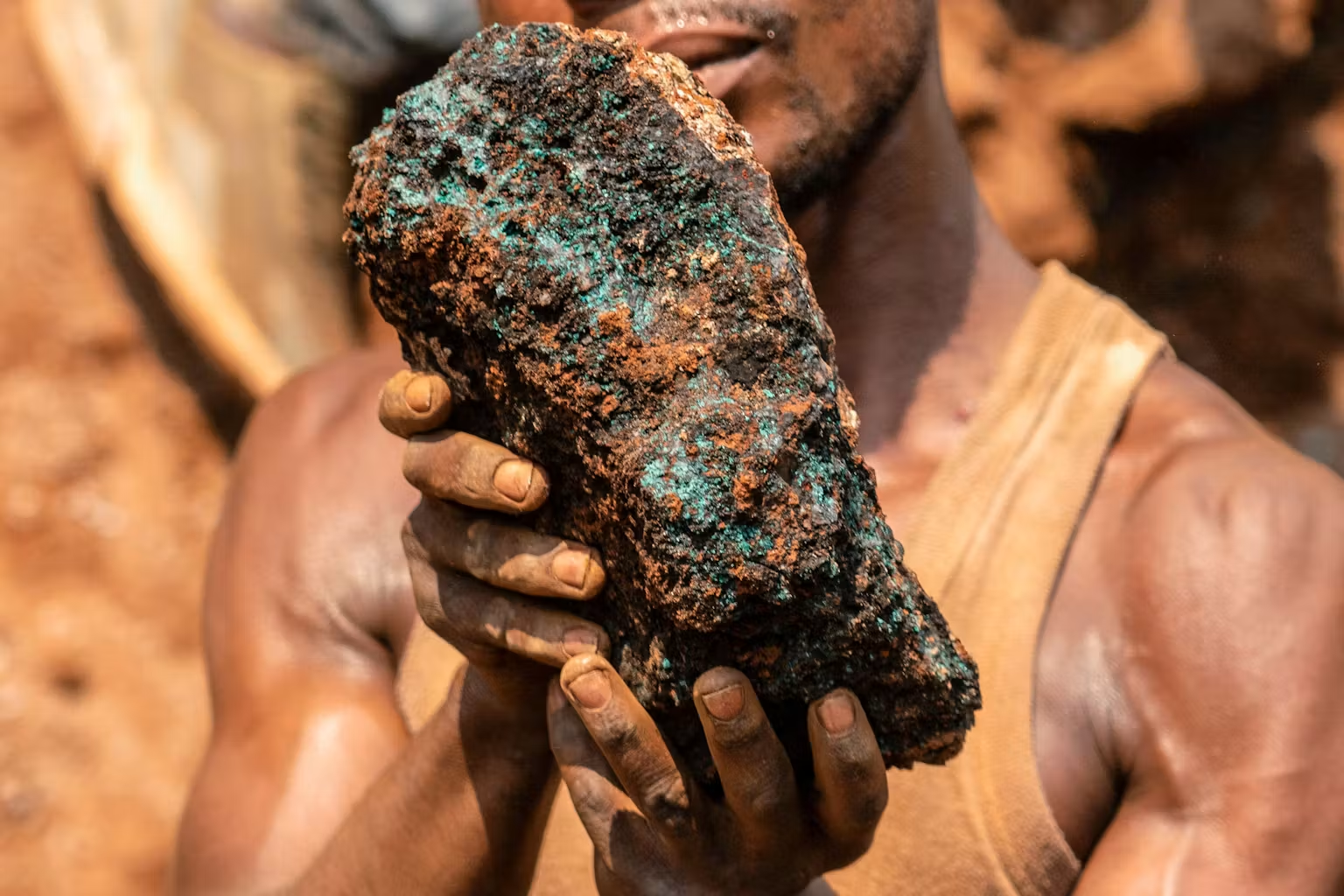
The Democratic Republic of the Congo (DRC) possesses around 50% of the world's known cobalt reserves, making it indispensable to the global transition to clean energy. Cobalt is a key component in lithium-ion batteries used in electric vehicles, smartphones, and renewable energy storage systems. The country is also rich in copper, gold, coltan, diamonds, and tin, making it one of the most mineral-endowed nations on Earth.
South Africa (platinum)
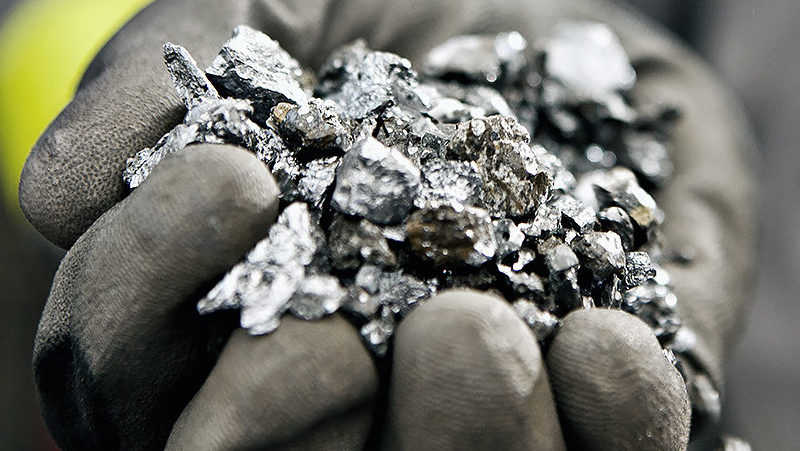
South Africa is home to approximately 83% of the world's platinum-group metal (PGM) reserves, cementing its position as the world's leading supplier of platinum, palladium, rhodium, and other PGMs. These metals are critical to industries ranging from automotive manufacturing and jewellery to hydrogen fuel cells and clean energy technologies.
The concentration of these strategic minerals in just a handful of countries has far-reaching implications for global trade, manufacturing, and the energy transition. It also gives resource-rich nations significant geopolitical leverage, as disruptions to production or exports can ripple across international supply chains.
Beyond Africa, Australia stands out for the diversity of its mineral wealth, leading the world in reserves of five major commodities—more than any other country. China, meanwhile, dominates global reserves of rare earth elements and graphite, two minerals that underpin electric vehicles, renewable energy systems, and advanced manufacturing.
As global demand for critical minerals accelerates, countries with abundant reserves are becoming increasingly central to economic competition, foreign investment, and geopolitical strategy. Control over these resources is no longer just an economic advantage, it is rapidly becoming a strategic asset in the race to power the industries of the future.