How Kitara FC has reignited rivalry and added spice to Ugandan Football
Football rivalries are the lifeblood of the beautiful game. They ignite passion, create unforgettable moments and give supporters a sense of identity and belonging. Healthy rivalry fuels competition, attracts fans, boosts media attention, and makes football easier to market worldwide. Without rivalries, ultras or the occasional “sporting beef”, football risks becoming predictable and less appealing. […] The post How Kitara FC has reignited rivalry and added spice to Ugandan Football appeared first on Kawowo Sports.
 Black News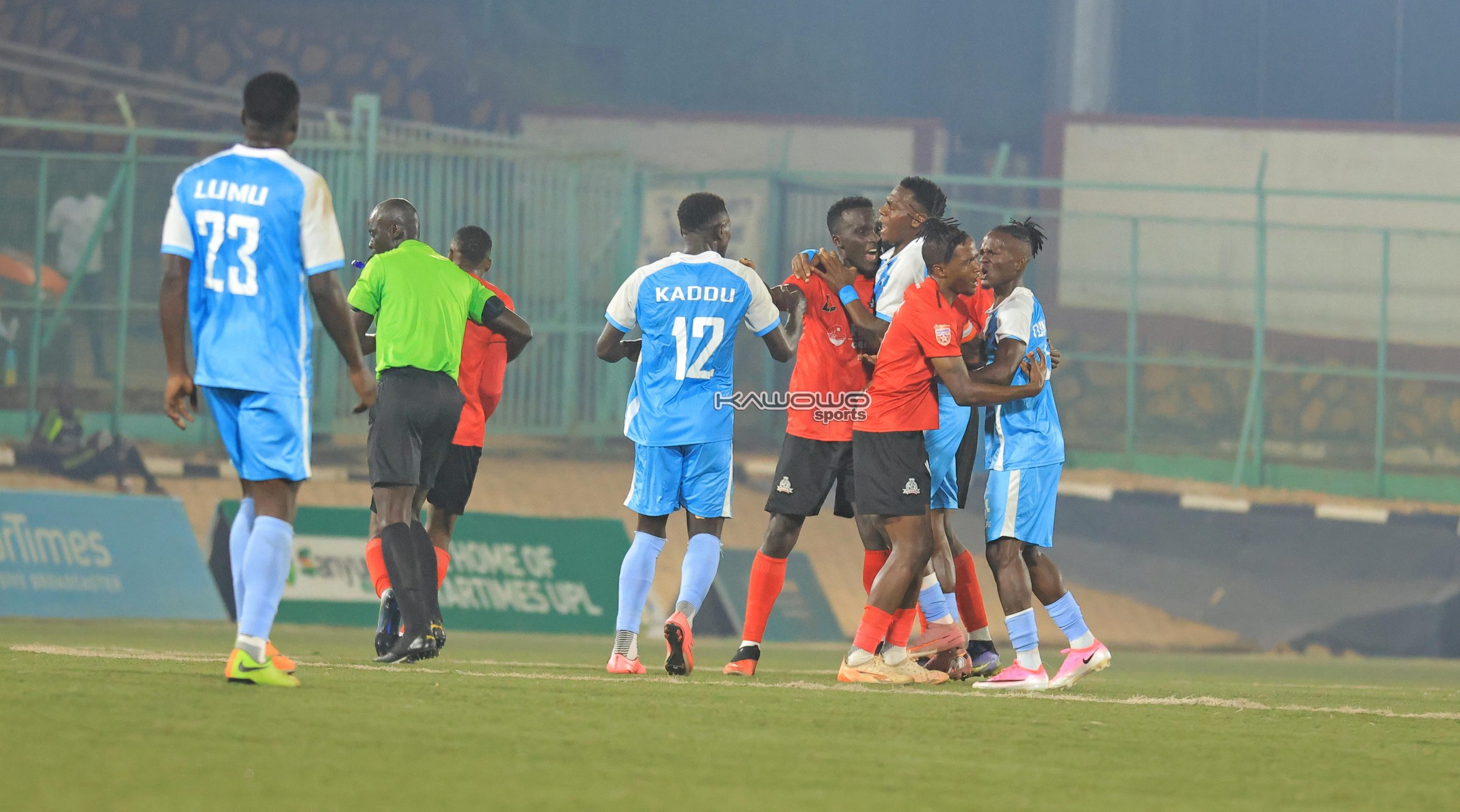

Football rivalries are the lifeblood of the beautiful game. They ignite passion, create unforgettable moments and give supporters a sense of identity and belonging. Healthy rivalry fuels competition, attracts fans, boosts media attention, and makes football easier to market worldwide. Without rivalries, ultras or the occasional “sporting beef”, football risks becoming predictable and less appealing.
A 20-year-old football fan in Uganda would probably argue that there has never been a truly fierce rivalry in Ugandan football. By the time they were born, the once-heated battles between SC Villa and Express FC had significantly declined. When asked about football rivalries, many young fans point to KCCA FC and Vipers SC because the two teams have been the dominant forces in recent years.
However, for those who witnessed Ugandan football before the last two decades, that rivalry has never matched the intensity of the legendary encounters between SC Villa and Express FC. The atmosphere created at Nakivubo Stadium, Wankulukuku and even in the early days of Namboole was electric. It was often considered a miracle for a referee to complete a match without incidents involving players, officials or supporters.
Transfer windows were equally dramatic. Whenever SC Villa, Express FC or KCCA FC pursued the same player or attempted to sign from one another. The football fraternity would be captivated by the unfolding battle. The competition extended beyond the pitch and became part of the culture that made Ugandan football exciting.
In recent years, however, Uganda’s traditional football giants have enjoyed a relatively soft existence with little rivalry among themselves. Clubs such as Onduparaka FC and Arua Hill SC briefly threatened to shake up the establishment, but their impact was short-lived.
Then came Kitara FC.
The emergence of Kitara FC has given hope to football lovers that another club can successfully challenge the traditional powerhouses. More importantly, the club has helped restore the competitive atmosphere and rivalries that many believe Ugandan football desperately needs.

Several incidents, some intentional and others accidental, have contributed to the growing tensions between Kitara FC and some of the country’s biggest clubs.
One of the earliest flashpoints came at St. Mary’s Stadium, Kitende, when Assistant referee Juma Osire disallowed what would have been Kitara’s late equaliser against Vipers SC. The decision left Kitara supporters furious, with many believing their team had been unfairly denied a result.
The rivalry intensified at the beginning of the 2025/26 season when a new league format was introduced. Kitara FC President Deo Kasozi publicly supported the changes, while Vipers SC President Dr Lawrence Mulindwa strongly opposed them. The contrasting positions of the two influential club leaders fueled tensions between the clubs. Since then, matches between Kitara and Vipers have become highly charged affairs with players, coaches, club officials, and supporters adding fuel to the rivalry through social media exchanges and pre-match banter.
The rivalry between Kitara FC and KCCA FC has an equally interesting backstory.
It was ignited in 2024 when Denis Omedi produced a stunning rabona goal against KCCA in the FUFA Super 8 tournament. The result and manner of defeat did not sit well with some KCCA officials, leading to heated confrontations after the final whistle.

The tension grew further when then-KCCA head coach Abdallah Mubiru, in a pre-match league interview ahead of the league encounter, described Kitara FC as a “small in-form team” that was receiving excessive media hype. The remarks sparked widespread debate. Kitara supporters demanded an apology, while KCCA fans rallied behind their coach.
The build-up generated enormous interest ahead of the next meeting between the two clubs at the MTN Omondi Stadium, with fans eager to see whether KCCA could back up their coach’s words. KCCA won the match 2-0 and appeared to have settled the argument.
Football, however, always has a way of producing new chapters.
In April 2025, Kitara FC stunned KCCA with a commanding 4-0 victory, a result that piled pressure on Mubiru and eventually contributed to his departure from the club.
Express FC also found themselves on the rivalry train following a controversial 7-0 defeat at Royals Park, Butema. The aftermath was dramatic, with the club’s then Assistant Coach, who was in charge of the game, Mike Mutyaba, resigning shortly after the match. FUFA later sanctioned several individuals linked to the game following investigations into allegations of match manipulation.
Relations between Kitara FC and SC Villa remained relatively calm until the 2026 Uganda Cup final at the FUFA Technical Centre in Njeru. Kitara emerged victorious to lift the trophy, but the result left sections of the SC Villa faithful frustrated. Tempers flared both during and after the game, with reports of objects being thrown onto the pitch as emotions boiled over.


Away from the field, Kitara FC President Deo Kasozi and the club’s supporters have mastered the art of football banter. Their frequent claims that a “village team” is humiliating traditional “town teams” have further irritated rival supporters while simultaneously increasing public interest in the club’s matches.
In many ways, Kitara FC’s rise has injected fresh energy into Ugandan football. The club has not only challenged the established order but has also revived the rivalries, debates and competitive edge that help leagues grow. Rivalries attract crowds, generate media attention, create storylines and ultimately improve the quality and marketability of the game.
In a nutshell, Kitara FC has added much-needed spice to the Uganda Premier League and Ugandan football as a whole. The club’s continued growth, together with the ambition shown by its leadership, has created an atmosphere that benefits the sport. Whether loved or hated, Kitara FC has become one of the most important catalysts for competition and excitement in Ugandan football.
The post How Kitara FC has reignited rivalry and added spice to Ugandan Football appeared first on Kawowo Sports.