Understanding our parents as adults also means recognising associated gender role constrictions. Many Black mothers were socialised into self-erasure, taught that womanhood is synonymous with sacrifice, service, and silence: dependency framed as duty with ambition often postponed indefinitely. Fathers, on the other hand, were frequently burdened with expectations of stoicism and authority and discouraged from […]
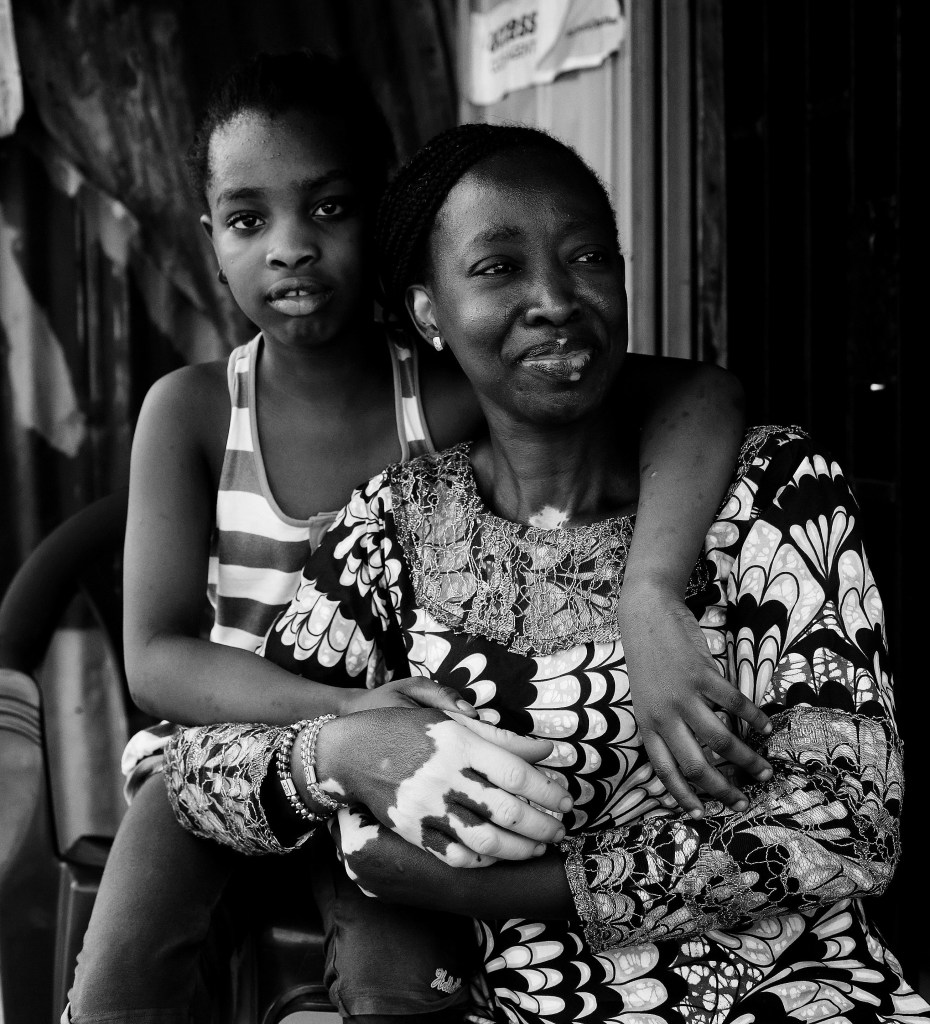
Understanding our parents as adults also means recognising associated gender role constrictions. Many Black mothers were socialised into self-erasure, taught that womanhood is synonymous with sacrifice, service, and silence: dependency framed as duty with ambition often postponed indefinitely. Fathers, on the other hand, were frequently burdened with expectations of stoicism and authority and discouraged from emotional vulnerability. Such roles limited not only their relationships with us as children but also their ability to exist as whole, expressive human beings.
Muhammad Taha Ibrahim via Unsplash
Achieving this awareness doesn’t negate our anger, disappointment, or grief just as acknowledging the conditions that shaped our parents need not invalidate our pain. What it does do, however, is challenge the tendency to flatten their humanity into stereotypes either as saints who “did their best” or villains who failed entirely. Both extremes deny complexity and prevent healing.
via Unsplash
via unsplash
Western societies, meanwhile, continue to scrutinise and pathologise Black parenting as something inherently deficient or broken. Yet this same gaze rarely extends compassion to the very people it critiques. Everything is political, including how Black families are formed, disciplined, and judged. To humanise Black parents is not to absolve harm but to recognise the systems shaping them while still holding individuals accountable.
via Freepik
via Freepik
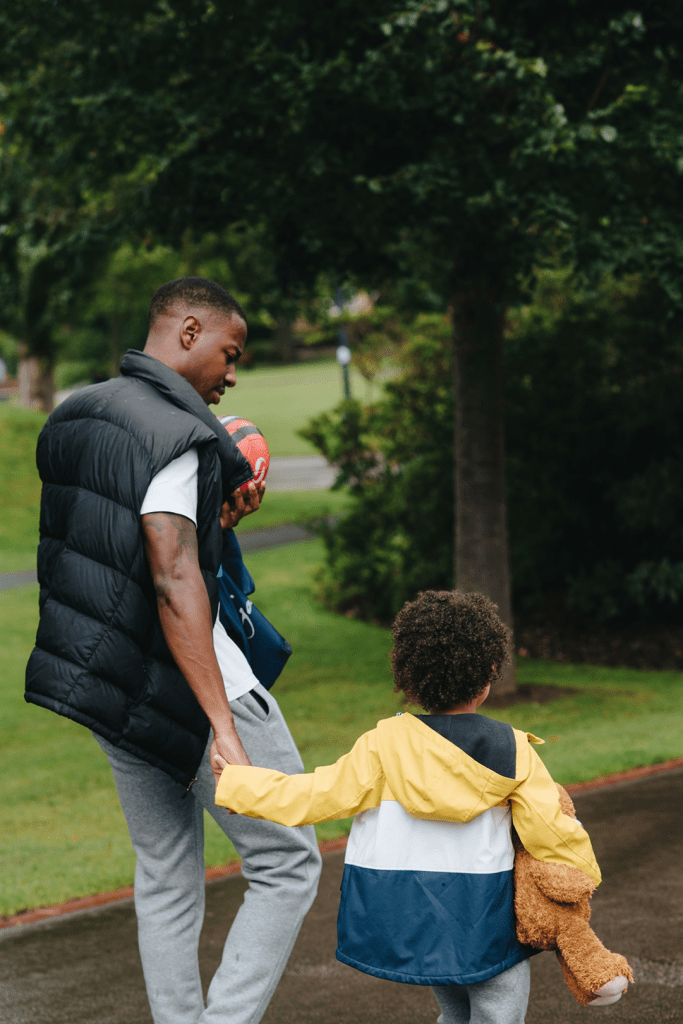
As many of us step into parenthood (or consciously choose not to), we stand at a crossroads. Unlike previous generations, we have access to emotional language, therapy, and community conversations with healing as the core as we learn the difference between simply having a child and actively parenting a human being. We’re questioning what it means to protect children from adult burdens, offer age-appropriate honesty, and break cycles of emotional neglect. Even knowing full well that no childhood is trauma-free, there’s a growing intention to ensure any wounds our children face are not inherited ones.
via Unsplash
via Unplash
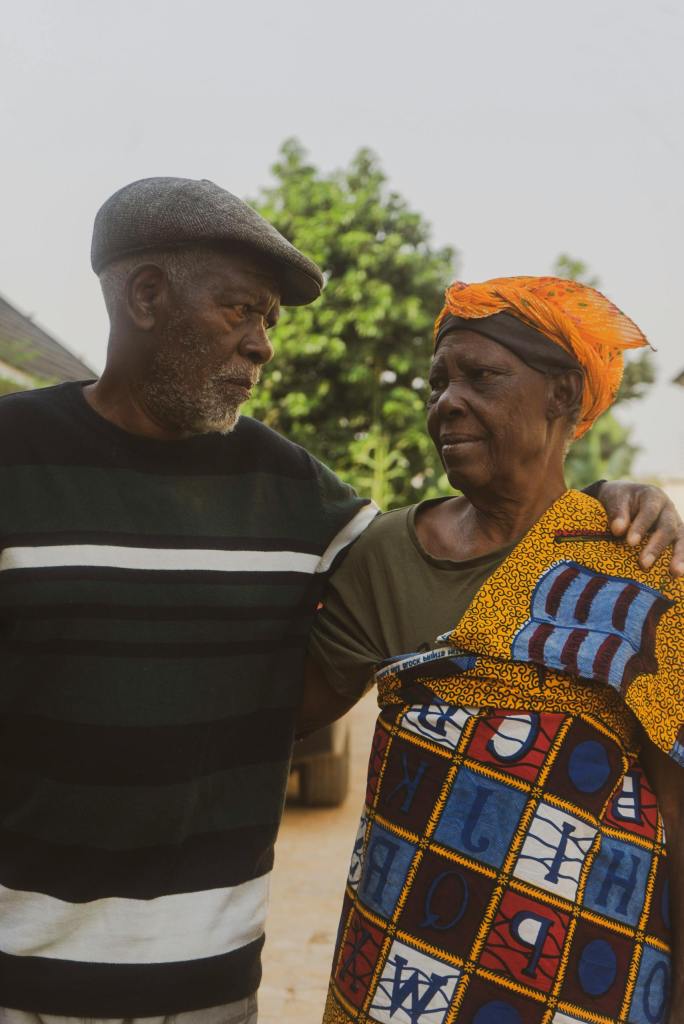
Our generation is slowly dismantling patterns that once felt immovable. In truly seeing our parents as adults – people shaped by history, trauma, and choice – we allow ourselves to decide what comes next. Sometimes that means extending compassion. Other times? Creating distance. Both can coexist with self-respect.
via Unsplash
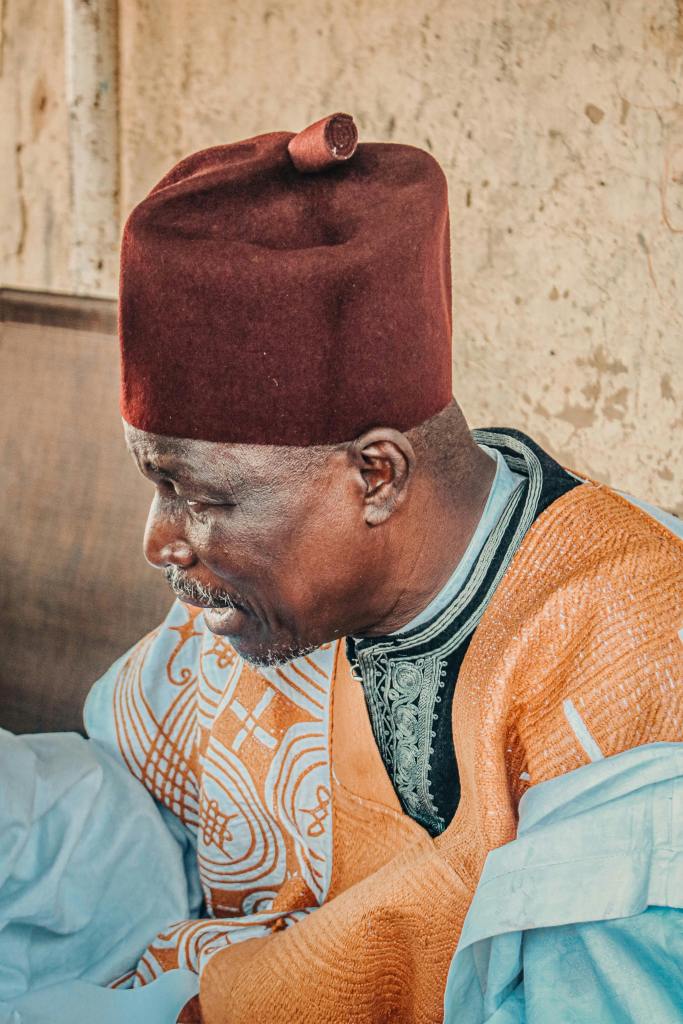
This milestone is unsettling and destabilises the myths we’ve always relied on for safety and identity, but beyond the discomfort lies liberation: accepting our parents’ true colours opening the door to peace, not just with them but within ourselves as their children.


 Black News




.png)