Jury duty reminds us who holds the power in a democracy
Baltimore City Sheriff Sam Cogen reflects on serving jury duty and argues that civic participation is essential to protecting democracy and ensuring justice is applied fairly. In the commentary, Cogen criticizes aggressive federal immigration enforcement tactics that he says have created fear in Baltimore communities, while emphasizing the historic power of juries to act as a safeguard against unjust laws and government overreach. The post Jury duty reminds us who holds the power in a democracy appeared first on AFRO American Newspapers.
 Black News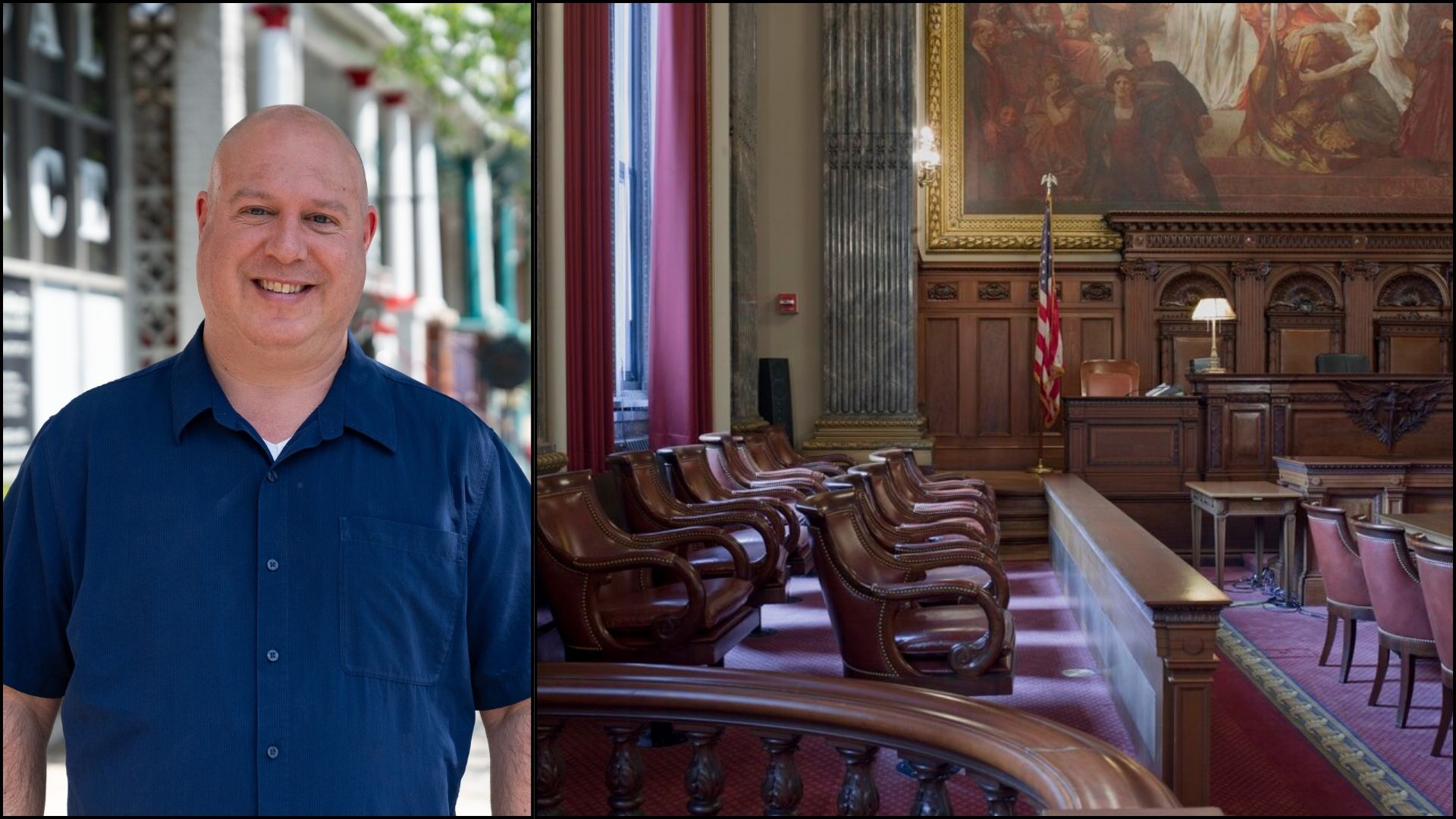


By Sheriff Sam Cogen
Yesterday, I had a brief break from my responsibilities as Sheriff of Baltimore City as I served jury duty, sitting on the same bench as every other citizen, waiting to be called. In this moment of civic obligation, I find myself reflecting on how our federal government is currently conducting law enforcement and the troubling direction it is taking.

We have seen the deployment of the National Guard into cities and an aggressive approach to immigration enforcement that prioritizes quotas over community trust. Tactics that lack transparency, that rely on fear and are heavy-handed undermine the very principles of justice and democracy that law enforcement is meant to uphold.
As Sheriff of Baltimore City and as an elected leader, I support the enforcement of laws that protect our communities—targeting terrorists, dangerous gang members and repeat violent offenders. But that is not what many people believe they are witnessing today.
It has been incredibly upsetting to see the local impact of the Trump administration’s use of law enforcement. Here in Baltimore, I have heard directly from residents at community association meetings and in conversations across neighborhoods who express fear, frustration and concern. They see neighbors being taken from their communities and families living in uncertainty. Children in immigrant communities are afraid to go to school or play outside. A Latino cultural festival—meant to celebrate heritage and unity—was canceled this year out of fear of federal enforcement actions.
That should give all of us pause.
This moment feels like a step backward, one that echoes times in our history when laws and policies were used to disproportionately target certain populations. Coupled with broader concerns about civil rights, it raises serious questions about whether we are moving away from the ideals of fairness, justice and democratic accountability.
Sitting in that jury room today, I’m reminded of the role ordinary citizens play in shaping justice.
Abraham Lincoln once said, “The greatest service of citizenship is jury duty.” It is one of the rare opportunities people have to participate directly in government to weigh evidence, to deliberate, and to decide matters that affect real lives.”
Over the course of my three decades working within and alongside the court system, I have seen the power of juries firsthand. During the height of the war on drugs, there were moments when Baltimore juries chose to acquit defendants despite strong evidence—because they believed the enforcement of those laws was unjust or disproportionately applied. That is not a failure of the system. That is the system working as intended.
It is the power of the people.
We still have an independent judiciary—one that the Sheriff’s Office is sworn to protect. And as citizens, we still have a voice through jury service. Jurors are not just passive participants; they are safeguards against the misuse of authority. Their decisions help ensure that justice is not only enforced—but that it is fair.
This week, as I sat in that jury room not as sheriff, but as a regular citizen, I am reminded that civic duty matters—especially in moments like this.
Jury duty, like voting and speaking out, becomes even more important when our freedom feels uncertain. It is through these acts, small but powerful, that we uphold our responsibility to one another and to the principles that define our democracy.
And in doing so, we each play a role in ensuring that justice remains not just a concept—but a reality.
The opinions expressed in this commentary are those of the writer and not necessarily those of the AFRO.
The post Jury duty reminds us who holds the power in a democracy appeared first on AFRO American Newspapers.