Leaders Call for Stronger Environmental Governance, Youth Action on Climate Justice
Leaders in Kawempe Division have called for stronger environmental governance and increased youth participation in addressing climate change, as its impacts continue to intensify across Uganda. The call comes amid growing challenges, including shifting rainfall patterns, prolonged droughts and extreme flooding, which are threatening food security and displacing vulnerable communities. Speaking at a youth climate […] The post Leaders Call for Stronger Environmental Governance, Youth Action on Climate Justice appeared first on Daily Star.
 Black News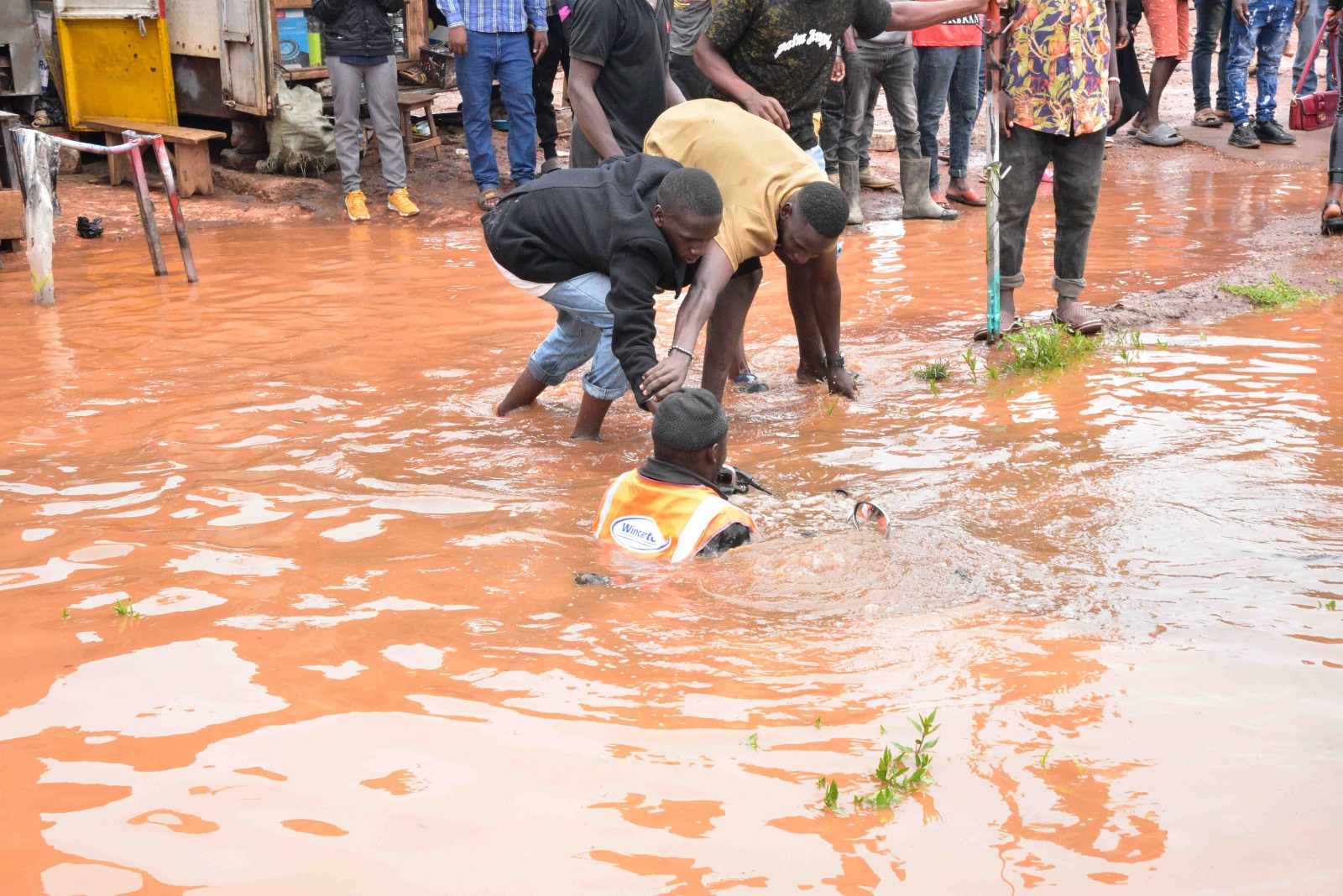
Leaders in Kawempe Division have called for stronger environmental governance and increased youth participation in addressing climate change, as its impacts continue to intensify across Uganda.
The call comes amid growing challenges, including shifting rainfall patterns, prolonged droughts and extreme flooding, which are threatening food security and displacing vulnerable communities.
Speaking at a youth climate conference held at Kolping Hotel in Kampala, Kawempe Division Mayor Emmanuel Serunjogi placed responsibility squarely on local leaders, warning that failure to enforce environmental laws is directly worsening climate risks.
“Environmental governance begins at the local level. If we fail to enforce regulations on waste management, wetland protection and urban development, then we are deliberately putting our people at risk,” Serunjogi said.
He stressed that leadership must go beyond policy statements to decisive action against environmental degradation.
“You cannot talk about climate justice without enforcement. Leaders must be bold enough to act and hold polluters accountable, regardless of who they are,” he said.
Serunjogi further warned that inaction at the local level is already manifesting in flooding, poor sanitation and rising public health concerns.
“When drainage systems are blocked, when wetlands are encroached on, it is the ordinary Ugandan who suffers first. That is why enforcement is not optional, it is a duty,” he added.
Kawempe Town Clerk Geofrey Kyakabale said climate change disproportionately affects those least responsible for causing it, including people in informal settlements, the urban poor and young people.
“Climate change is fundamentally a justice issue. The fight for climate justice is a fight for fairness, equity and the protection of basic human rights,” Kyakabale said.
He said achieving climate justice requires strong, inclusive and transparent environmental governance, including the effective enforcement of policies on urban planning, waste management and wetland protection.
Kyakabale noted that the division’s technical team remains committed to enforcing environmental bylaws and supporting climate-smart initiatives, but said success depends on collaboration between authorities, civil society and communities.
“We need a collective approach where leaders, citizens and especially the youth work together to ensure compliance and promote sustainable development,” he said.
He urged young people to move beyond awareness and take an active role in accountability, innovation and community action.
“You are not just the future but the driving force of the present,” he said.
James Kimera Sekiwanuka, executive director of CALM Africa, said weak enforcement of environmental laws continues to undermine efforts to address pollution and climate change.
He noted that while Uganda has laws regulating waste management and environmental protection, implementation gaps, corruption and limited community involvement weaken their impact.
“Good laws alone are not enough. Environmental governance fails when polluters operate without consequences and communities are excluded from decision-making,” Sekiwanuka said.
He warned that industrial pollution is worsening living conditions, particularly for low-income communities, through reduced agricultural productivity, increased health risks and rising household costs.
Sekiwanuka also linked environmental degradation to broader issues such as public health, social inequality and food security, stressing that young people will bear the greatest burden if urgent action is not taken.
He called for stronger enforcement of environmental regulations, increased funding for regulatory bodies such as the National Environment Management Authority (NEMA), and greater community awareness of environmental rights.
“Environmental justice is about making constitutional rights real, not just remaining on paper,” he said.
Western Youth Member of Parliament Mwine Tumwebaze said Uganda’s legal framework provides adequate protection for environmental rights, but implementation remains a major challenge.
He cited Article 39 of the Constitution, which guarantees the right to a clean and healthy environment, noting that such rights are inherent and not granted by the state.
“The problem is not the absence of laws, but the gap between what is on paper and what is implemented,” Tumwebaze said.
He added that delays in the justice system continue to hinder environmental protection, noting that cases related to pollution can take years to be resolved.
“Justice delayed is justice denied. Delayed enforcement allows continued environmental harm and undermines public confidence,” he said.
Tumwebaze raised concerns about inadequate financing for climate action, noting that Uganda heavily relies on external funding, which may not be sustainable.
“For the most part, we are relying on external donations in this fight. But is that sustainable?” he questioned, warning that shifting geopolitical dynamics could further constrain funding.
The leaders called for stronger collaboration between government, communities and youth, as well as increased accountability for polluters.
They also urged young people to take practical steps, including reporting pollution, participating in environmental initiatives and engaging policymakers on climate issues.
The conference concluded with a call for concrete action, including regular environmental inspections, community monitoring of pollution and the development of youth-led policy proposals.
Participants were also encouraged to champion environmental awareness in schools and communities, and to advocate for stricter enforcement of laws protecting wetlands and other natural resources.
Human rights lawyer Eron Kiiza said Uganda has a strong legal framework on environmental protection, but enforcement remains the weakest link.
“It’s not enough to have laws like the National Environment Act and the Climate Change Act. Parliament must strengthen its oversight role,” Kiiza said.
He noted that while agencies such as the National Environment Management Authority (NEMA) have improved enforcement, more needs to be done, particularly in protecting wetlands and other critical ecosystems.
“We support efforts to restore wetlands, but justice demands fairness. We cannot remove only the poor and leave out powerful actors degrading the environment,” he added.
Kiiza also urged young people to take initiative even in the absence of funding, encouraging grassroots action such as tree planting, fighting plastic pollution and petitioning authorities.
“You don’t have to wait for money. You can speak out, organize and act within your communities,” he said.
Kumi Municipality MP Silas Aogon focused on the role of youth in shaping policy and driving accountability, describing them as active partners rather than passive beneficiaries.
“Young people are not passive beneficiaries of development; they are active partners in shaping the future,” Aogon said.
He stressed that meaningful participation requires more than enthusiasm, calling for access to information, legal empowerment and institutional engagement.
“Participation is not optional, it is essential. Policies are strongest when they are grounded in real community experiences,” he noted.
Aogon also noted the growing influence of digital platforms in amplifying citizen voices and forcing government response.
“Even on social media, if an issue is raised and people speak about it, government cannot turn away. They must act,” he said.
Across the discussion, speakers agreed that vulnerable groups, including low-income households, women and youth, continue to bear the brunt of climate change impacts, from flooding to environmental degradation.
They called for a multi-sectoral approach involving government, Parliament, civil society, the private sector and communities, emphasizing that climate justice cannot be achieved by a single institution.
The dialogue also underscored the importance of unity among young people in pushing for change.
The post Leaders Call for Stronger Environmental Governance, Youth Action on Climate Justice appeared first on Daily Star.