Months after talks began, UAE oil giant ADNOC nears $1 billion takeover of Shell's South African business
Abu Dhabi National Oil Co. ADNOC is nearing a deal to acquire British energy giant Shell Plc's South African fuel retail business for about $1 billion, a transaction that would give the UAE state-owned company a significant foothold in Africa's largest fuel market, Bloomberg reported.
 Black News

Abu Dhabi National Oil Co. ADNOC is nearing a deal to acquire British energy giant Shell Plc's South African fuel retail business for about $1 billion, a transaction that would give the UAE state-owned company a significant foothold in Africa's largest fuel market, Bloomberg reported.
- ADNOC is close to acquiring Shell's South African fuel retail business for about $1 billion, gaining a major presence in Africa's largest fuel market.
- The deal would give ADNOC control of around 600 fuel stations, roughly 10% of South Africa's retail fuel sector.
- This acquisition marks one of ADNOC's largest investments in sub-Saharan Africa, expanding its global downstream and retail operations.
- For Shell, the sale aligns with its broader strategy to streamline and focus on higher-return business segments.
UAE state oil giant ADNOC is nearing a $1 billion acquisition of Shell South African downstream business, a deal that would hand the Abu Dhabi company control of about 600 fuel stations and deepen its presence in Africa's largest fuel market.
The latest development marks a significant step forward in negotiations first reported earlier this year.
While earlier reports indicated that Shell was in advanced talks to sell the business to ADNOC, Bloomberg now reports that the two companies are preparing to announce a definitive agreement in the coming days, suggesting the deal has entered its final stages.
DON'T MISS THIS: $1 billion exit: Shell to hand 10% of South African fuel market to UAE's state oil company
Citing people familiar with the matter, Bloomberg said ADNOC Distribution - the publicly listed retail arm of the UAE's state-owned oil giant is the entity leading the acquisition.
If completed, the deal would give the company control of approximately 600 fuel stations, representing around 10% of South Africa's retail fuel market.
The acquisition would mark one of ADNOC's most significant investments in sub-Saharan Africa, extending the company's global acquisition drive as it seeks to expand its downstream and retail footprint beyond the Middle East.
A strategic bet on Africa's largest fuel market
South Africa is the continent's most industrialised economy and one of Africa's largest fuel markets, helping explain continued investor interest in the country's downstream energy sector.
Acquiring Shell's extensive retail network would give ADNOC an established nationwide presence without having to build new infrastructure from the ground up.
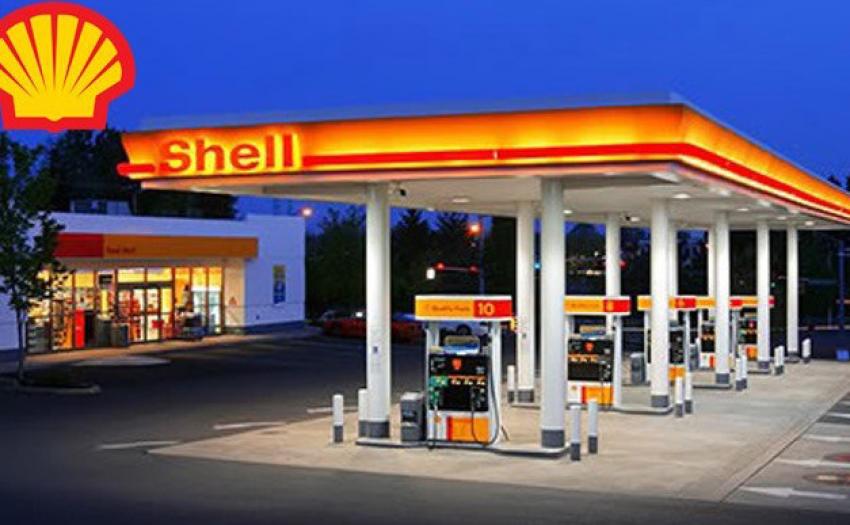
The network has long been one of South Africa's most recognised fuel retail brands, offering the Emirati company immediate access to customers across the country.
The proposed transaction also reflects the growing appetite of Gulf state-backed energy firms for strategic assets across Africa as they diversify beyond their home markets and strengthen their global operations.
Shell continues portfolio reshaping
For British energy giant Shell, the proposed sale forms part of a broader strategy to streamline its downstream business and focus capital on higher-return operations.
The company has been reviewing retail and downstream assets in several markets as it seeks to simplify its global portfolio while maintaining financial discipline.
DON'T MISS THIS: Africa’s biggest refinery taps Middle East crude as Nigeria’s supply constraints persist
Neither Shell nor ADNOC had publicly confirmed the transaction at the time of Bloomberg's report.
If finalised, the deal would rank among the largest recent foreign investments in South Africa's downstream energy sector and deepen the United Arab Emirates' commercial presence in Africa.
It would also position ADNOC as a significant player in the continent's largest fuel retail market, underscoring the increasing influence of Middle Eastern energy companies in Africa's evolving energy landscape.